
1. General Information
- Common Trade Names: Nitrohumic Acid, Nitro-Humate, Humic Acid + Nitrogen, N-Humate
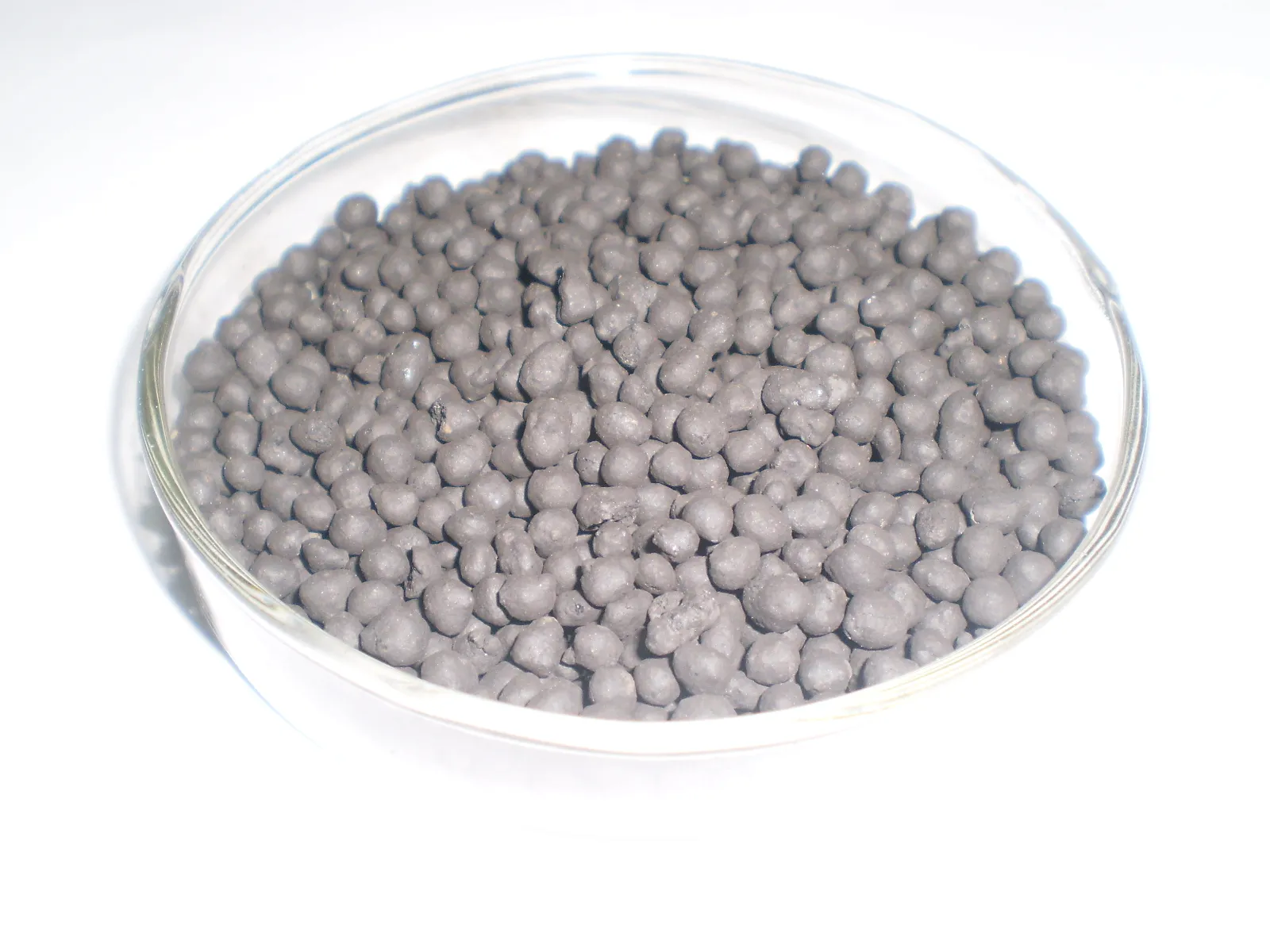
- Appearance: Dark brown to black granular, powder, or flaky solid
- Odor: Slight earthy/ammoniacal odor
2. Typical Chemical Composition
| Component | Content (% w/w) |
|---|---|
| Humic Acid (dry basis) | 50 – 75% |
| Fulvic Acid | 3 – 15% |
| Total Nitrogen (N) | 5 – 18% |
| Organic Matter (dry basis) | 65 – 85% |
| Moisture | ≤ 15% |
| pH (10% solution) | 4.0 – 6.5 |
| Water Solubility | 70 – 99% |
| C/N Ratio | 8:1 – 15:1 |
| Ash Content | ≤ 15% |
3. Physical Properties
| Property | Value |
|---|---|
| Bulk Density | 550 – 750 kg/m³ |
| Particle Size (granular) | 1 – 4 mm (90% min) |
| Particle Size (powder) | ≤ 200 mesh (95% min) |
| Water Holding Capacity | 4 – 6 times its weight |
| CEC (Cation Exchange Capacity) | 300 – 600 meq/100 g |
4. Key Functional Properties
- High nitrogen content combined with humic substances provides both immediate and slow-release nitrogen nutrition.
- Improves soil cation exchange capacity (CEC), soil structure, and microbial activity.
- Enhances nutrient use efficiency (NUE) and reduces nitrogen leaching.
- Chelates micronutrients (Fe, Zn, Mn, Cu) and improves their plant availability.
- Stimulates root development and increases drought resistance.
5. Agricultural Performance (Field Results Summary)
| Crop | Typical Application Rate | Observed Benefits |
|---|---|---|
| Cereals (wheat, corn) | 50 – 150 kg/ha | 8 – 18% yield increase, 10 – 25% N-saving |
| Vegetables | 100 – 300 kg/ha | Improved quality, earlier harvest |
| Fruit trees | 200 – 500 g/tree | Increased fruit size, better color |
| Turf & ornamentals | 50 – 100 g/100 m² | Darker green color, stronger root system |
6. Recommended Application Methods
- Soil broadcast or banding (granular form)
- Fertigation/drip irrigation (highly soluble grades)
- Foliar spray (liquid concentrates derived from the product)
- Seed treatment/coating
- Base fertilizer blended with NPK compounds
7. Compatibility
- Fully compatible with most NPK fertilizers, urea, ammonium sulfate, and phosphates.
- Avoid tank-mixing with highly alkaline products (pH > 9) or calcium nitrate in concentrated solutions (risk of precipitation).
8. Storage & Handling
- Store in cool, dry, well-ventilated area away from direct sunlight.
- Shelf life: Minimum 3 years when stored properly.
- Hygroscopic; reseal bags immediately after use.
9. Packaging
- 25 kg multi-wall paper bags with PE liner
- 500 / 1000 kg big bags
- Bulk (on request)
10. Safety & Environmental Information
- Non-toxic, non-hazardous (according to GHS)
- Not classified as dangerous goods
- Biodegradable organic substance
- Heavy metals well below regulatory limits