

Humic acid constitutes a principal component of humic substances, complex organic compounds formed through the microbial decomposition of plant and animal residues over extended periods. These substances accumulate in soil, peat, lignite, and ancient deposits such as leonardite. Humic substances encompass humic acid, fulvic acid, and humin, each distinguished by molecular weight, solubility, and functional properties.
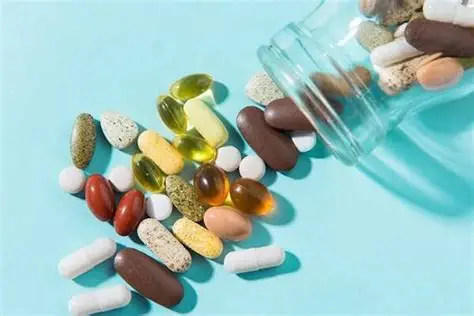
Humic acid features larger polymeric structures with higher molecular weights (typically ranging from 2,000 to 500,000 Da), rendering it insoluble in acidic conditions (pH < 2) but soluble in alkaline environments. It contains abundant phenolic, carboxylic, and quinone groups, contributing to its chelating and adsorptive capacities. In contrast, fulvic acid possesses smaller molecules (500–2,000 Da), greater oxygen content, and solubility across a broad pH spectrum, enabling enhanced cellular penetration and nutrient transport. Humin, the insoluble fraction, plays a lesser role in supplementation. Commercial humic acid supplements are extracted from natural sources and often combined with fulvic acid to optimize bioavailability, available in capsules, powders, liquids, or blends with minerals.
Proposed Mechanisms of Action
Humic acid interacts with biological systems through multiple pathways:
- Chelation and Adsorption: Functional groups bind heavy metals (e.g., lead, cadmium, copper) and toxins, facilitating excretion and reducing bioavailability.
- Antioxidant Activity: Phenolic and quinone moieties scavenge reactive oxygen species (ROS), stabilizing radicals and mitigating oxidative stress.
- Microbiome Modulation: Acts as a prebiotic substrate, promoting beneficial bacterial growth while maintaining microbial diversity.
- Anti-Inflammatory and Immunomodulatory Effects: Inhibits pro-inflammatory pathways, potentially via neutrophil degranulation suppression or cytokine modulation.
- Antiviral Interference: Blocks viral attachment to host cells or inhibits replication enzymes in vitro.
These mechanisms derive primarily from in vitro, animal, and preliminary human studies, with variability influenced by source material and extraction purity.
Potential Health Benefits and Supporting Evidence
Research on humic acid supplements indicates several supportive roles, though human clinical data remain limited.
- Detoxification of Heavy Metals and Toxins: Humic acid demonstrates strong binding affinity for divalent cations, reducing absorption and promoting excretion. Animal models and in vitro assays confirm chelation of cadmium, lead, and copper. Reviews highlight its utility in environmental remediation and potential therapeutic detoxification, though robust human trials are scarce.
- Gut Health and Microbiome Support: A 2017 study in healthy volunteers administered oral humic acids over 45 days, observing a 14% increase in essential colonic bacterial groups (e.g., Firmicutes) and suppression of Bacteroides, without altering individual microbial profiles or diversity. Poultry models further show prebiotic effects, enhancing beneficial strains like Lactobacillus and improving intestinal integrity against aflatoxin challenges. These findings suggest humic acid fosters a favorable gut environment, potentially aiding digestion and barrier function.
- Anti-Inflammatory and Antioxidant Properties: In vitro and animal studies reveal inhibition of inflammatory mediators, neutrophil activity, and ROS. A 2024 study in spinal cord injury models noted neuroprotective effects via reduced oxidative stress. Human applications remain exploratory, with traditional uses in inflammatory conditions.
- Antiviral and Antimicrobial Effects: Extensive in vitro research since the 1970s demonstrates inhibition of enveloped and non-enveloped viruses by interfering with attachment or penetration. Reviews from 2023–2025 affirm broad-spectrum antiviral potential, often superior in humic versus fulvic fractions due to hydrophobicity and aromatic content.
- Nutrient Enhancement and Other Effects: Combined with fulvic acid, humic substances may improve mineral bioavailability and electrolyte balance. Animal feed studies report enhanced immune responses, growth, and reduced inflammation.
Scientific Evidence and Limitations
Despite promising preclinical data, authoritative sources conclude insufficient high-quality human evidence to substantiate therapeutic claims for immune stimulation, infection treatment, or detoxification. Benefits largely stem from in vitro, animal, or small observational trials. Variability in humic acid composition—due to source and processing—affects reproducibility. Large-scale, randomized controlled trials are essential to confirm efficacy, dosing (typically 250–1,000 mg daily in supplements), and long-term outcomes.
Recent reviews (2023–2025) emphasize emerging roles in neuroprotection, diabetes modulation, and environmental toxin mitigation, but stress the preliminary nature of findings.
Safety Profile and Considerations
Humic acid from reputable sources appears generally safe in moderate doses. Short-term human studies report no significant adverse effects, with no-observed-adverse-effect levels up to 2,000 mg/kg in animal toxicology. Mild gastrointestinal discomfort or initial detoxification reactions may occur.
Precautions include:
- Insufficient safety data for pregnancy, breastfeeding, or pediatric use; avoidance recommended.
- Potential immune activation may exacerbate autoimmune conditions.
- Risk of heavy metal contamination in low-purity products; third-party testing advised.
- Possible interactions with medications or minerals due to chelation.
Professional medical consultation is recommended before use, especially for individuals with preexisting conditions.
Limitations
Humic acid supplements, while derived from natural sources, present several limitations that warrant careful consideration based on current scientific understanding as of 2025.
- Insufficient High-Quality Human Evidence: Authoritative sources, consistently note a lack of robust, large-scale randomized controlled trials in humans to substantiate claims for detoxification, immune enhancement, antiviral effects, or other therapeutic benefits. Most supportive data originate from in vitro studies, animal models, or small observational trials, limiting generalizability to human applications.
- Product Variability and Compositional Heterogeneity: The composition of humic acid varies significantly depending on the source material (e.g., leonardite, peat) and extraction methods. This inconsistency can lead to unpredictable efficacy and potency across products, complicating reliable outcomes.
- Potential Contamination Risks: Supplements sourced from polluted or low-quality deposits may contain heavy metals (e.g., lead, arsenic, cadmium, mercury), which humic substances can bind and concentrate. Contaminated products pose risks of toxicity, potentially offsetting any benefits.
- Limited Long-Term Safety Data: While short-term use appears generally well-tolerated, with no-observed-adverse-effect levels up to 2,000 mg/kg in animal studies and human safety reported at doses up to 1,800 mg/day in purified forms, data on prolonged use remain sparse. Rare adverse effects include mild gastrointestinal discomfort, headaches, or transient detoxification reactions.
- Contraindications and Interactions: Insufficient evidence exists for safety in pregnancy, breastfeeding, or pediatric populations; avoidance is recommended. Potential immune overstimulation may exacerbate autoimmune conditions. Chelation properties could interfere with medication absorption or mineral balance.
- Regulatory and Claim Limitations: Many products carry disclaimers indicating that claims have not been evaluated by regulatory bodies such as the FDA, reflecting the absence of approved therapeutic indications.
These limitations underscore that humic acid supplements should be viewed as adjunctive rather than primary interventions, with benefits remaining preliminary.
Guidelines for Selecting High-Quality Humic Acid Supplements
Selecting a reliable humic acid supplement requires attention to purity, transparency, and processing to mitigate risks and ensure potential efficacy.
- Prioritize Source and Purity: Opt for products derived from reputable, ancient deposits (e.g., protected leonardite or humate sources free from modern pollution). Avoid raw or minimally processed forms; seek those specifying clean, freshwater-derived origins without contaminants.
- Demand Third-Party Testing: Choose brands providing independent laboratory certifications (e.g., NSF, USP, GMP) or Certificates of Analysis (COA) verifying absence of heavy metals, microbial contaminants, and accurate humic/fulvic content. Advanced testing methods (e.g., excluding ash for precise quantification) enhance reliability.
- Evaluate Transparency and Labeling: Select products with clear disclosure of extraction methods (e.g., cold-water or aqueous processes preserving bioavailability), concentrations (humic and fulvic percentages), and minimal additives. Avoid vague labels or those lacking batch-specific results.
- Consider Bioavailability and Formulation: Liquid or highly soluble forms often offer superior absorption; combinations with fulvic acid may enhance effects. Look for standardized doses and evidence of high potency without fillers.
- Assess Manufacturer Reputation: Favor established companies with traceable supply chains, positive independent reviews, and commitment to quality over obscure or heavily marketed brands. Niche producers emphasizing small-batch production and sustainability may provide superior options.
- Additional Practical Tips: Begin with lower doses to monitor tolerance, maintain hydration to support detoxification, and consult a healthcare professional for personalized guidance, especially if combining with other supplements.
By adhering to these criteria, consumers can better navigate variability and prioritize safety in humic acid supplementation.
Conclusion
Humic acid supplements, derived from ancient organic processes, exhibit multifaceted potential in detoxification, microbiome support, inflammation reduction, and antiviral activity based on accumulating preclinical and limited clinical evidence. Integration with fulvic acid may enhance effects. However, claims require cautious interpretation amid evidentiary gaps. Selecting purified, tested products and adopting them as complements to evidence-based health practices may yield supportive benefits, contingent on further rigorous research.



Leave a Reply