

Introduction to Humic Acid and Its Extraction from Lignite
Humic acid (HA) is a complex mixture of organic macromolecules arising from the decomposition of plant and animal residues. It features aromatic cores with aliphatic substituents, carboxyl groups, phenolic hydroxyls, and other oxygen-containing functional groups. These structures impart beneficial properties such as metal chelation, ion exchange capacity, and enhancement of soil microbial activity.
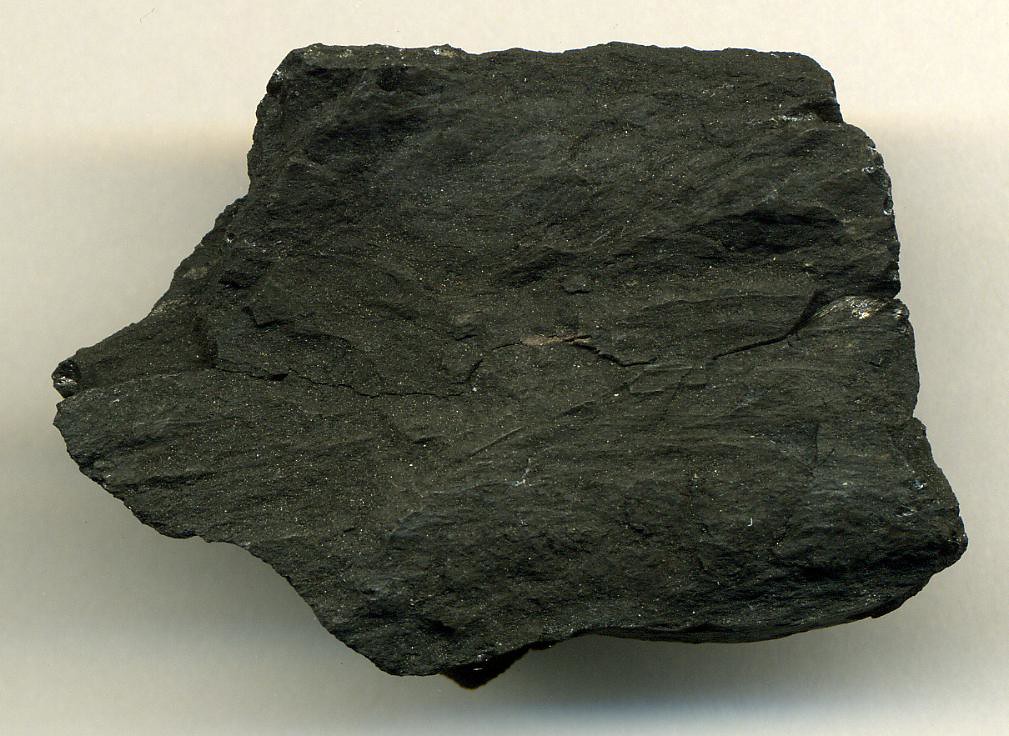
Lignite, known as brown coal, is a low-rank coal with high moisture content (up to 50%), elevated oxygen levels, and substantial humic substance concentrations, typically 10–80% on a dry, ash-free basis. Weathered lignite variants, such as leonardite, often exhibit even higher Humic Acid content, reaching up to 90%. Leonardite, an oxidized form of lignite found in near-surface deposits, serves as a primary commercial source due to its elevated humic acid levels and greater degree of oxidation compared to standard lignite.
The extraction of Humic Acid from lignite valorizes this low-grade resource, producing compounds widely used in agriculture for soil conditioning and fertilizer enhancement, in environmental applications for pollutant adsorption, and in industry as stabilizers in drilling fluids or dispersants in ceramics.
Conventional Alkaline Extraction Process
The standard extraction method exploits the pH-dependent solubility of humic substances: soluble in alkali as humates, insoluble in acid.
- Raw Material Preparation: Lignite is crushed and milled to fine particles (typically below 200 mesh) to enhance surface area and reagent access. Drying may be applied to reduce moisture.
- Alkaline Leaching: Powdered lignite is mixed with 0.1–0.5 M sodium hydroxide (NaOH) or potassium hydroxide (KOH). Critical parameters include:
- Liquid-to-solid ratio: 10:1 to 20:1.
- Temperature: 60–90°C.
- Duration: 4–24 hours.
- Agitation: Continuous stirring.
- Separation: The slurry is filtered or centrifuged to isolate the alkaline extract.
- Acid Precipitation: The extract is acidified to pH 1–2 with hydrochloric acid (HCl) or sulfuric acid (H₂SO₄), precipitating HA.
- Purification and Drying: The precipitate is washed with dilute acid and water, then dried at 50–70°C.
Yields typically range from 20–60%, with leonardite achieving higher values. Recent optimizations using response surface methodology (RSM) have reported yields up to 89% under refined conditions, such as specific pH adjustments and alkali concentrations.
Pretreatments for Enhanced Yield and Purity
Pretreatments disrupt the lignite matrix and remove impurities:
- Nitric Acid (HNO₃) Oxidation: Introduces oxygen functional groups, increasing solubility. Yields can improve from ~20% to over 70%, while reducing heavy metals.
- Hydrogen Peroxide (H₂O₂) or Ozone Oxidation: Enhances aromaticity and functional group density, facilitating higher extraction efficiency.
- Acid-Hydrothermal Combination: Nitric acid pretreatment followed by hydrothermal alkaline leaching yields HA with low heavy metal content and enriched carboxyl/phenolic groups.
Advanced and Sustainable Extraction Techniques
Innovations address the energy and chemical demands of conventional methods:
- Hydrothermal-Assisted Extraction: Performed at 130–200°C in autoclaves with KOH, hydrolyzing macromolecules. Optimized alkali-to-coal and water-to-coal ratios yield Humic Acid with higher oxygen and hydrogen content.
- Ultrasound or Microwave Assistance: Reduces extraction time dramatically (e.g., ultrasound achieving 72% yield in 30 minutes) via cavitation and localized heating.
- Biological Methods: Microbial solubilization using fungi (e.g., Penicillium ortum) or bacteria produces bioactive HA with preserved structures. Cell-free filtrates can match chemical yields (~63%) while being environmentally preferable.
- Photocatalytic or Enzymatic Approaches: Emerging green methods, including CeO₂-based photocatalysis, achieve simultaneous HA and fulvic acid yields exceeding 90% combined.
- Membrane Ultrafiltration: Post-extraction purification removes fulvic acids and inorganics, attaining purities over 97%.
Recent reviews (2024–2025) emphasize process intensification (ultrasound, microwave) and biomass-derived alternatives to reduce hazardous reagents.
Process Optimization
Parameters are optimized via RSM, considering interactions among alkali concentration, temperature, time, and liquid-solid ratio. For weathered lignite, extraction time or ratio often dominates yield. Models predict efficiencies accurately, with reported maxima of 54–89%.
Characterization of Extracted Humic Acid
Extracted HA is evaluated using multiple techniques:
- Elemental Analysis: Higher O/C and H/C ratios in HA compared to raw lignite indicate enriched oxygen and hydrogen. Carbon content varies, with increased nitrogen from pretreatments.
- FTIR Spectroscopy: Key peaks include carboxyl (~1700 cm⁻¹), phenolic (~1200 cm⁻¹), aromatic C=C (~1600 cm⁻¹), and aliphatic C-H (~2900 cm⁻¹). Pretreated samples show intensified oxygen groups.
- UV-Vis Spectroscopy: E4/E6 ratio assesses condensation degree; lower values indicate higher aromaticity.
- Other Methods: XRD reveals structural changes; NMR shows aliphatic and aromatic diversity; ICP-OES confirms low heavy metals post-purification.
Studies on Indian, Chinese, and European lignites confirm predominance of carboxyl, phenolic, and alcoholic groups.
Industrial Production and Sustainability Considerations
Commercial production primarily uses leonardite via large-scale alkaline extraction, yielding potassium or sodium humates for fertilizers. Challenges include ash and heavy metal contamination, addressed by pretreatments. Global deposits support scalable operations.
Sustainability trends favor green methods: biological/enzymatic extraction, reduced reagents, and integration with waste valorization. Nitric acid pretreatment with hydrothermal steps minimizes environmental impact while maximizing yield and purity. Advances in 2024–2025 highlight photocatalytic depolymerization and microbial enhancements for circular economy alignment.
In conclusion, Humic Acid extraction from lignite offers an effective means to convert abundant low-rank coal into high-value, multifunctional products. Ongoing developments in optimization, characterization, and sustainable techniques continue to improve efficiency, product quality, and ecological compatibility.




Leave a Reply