
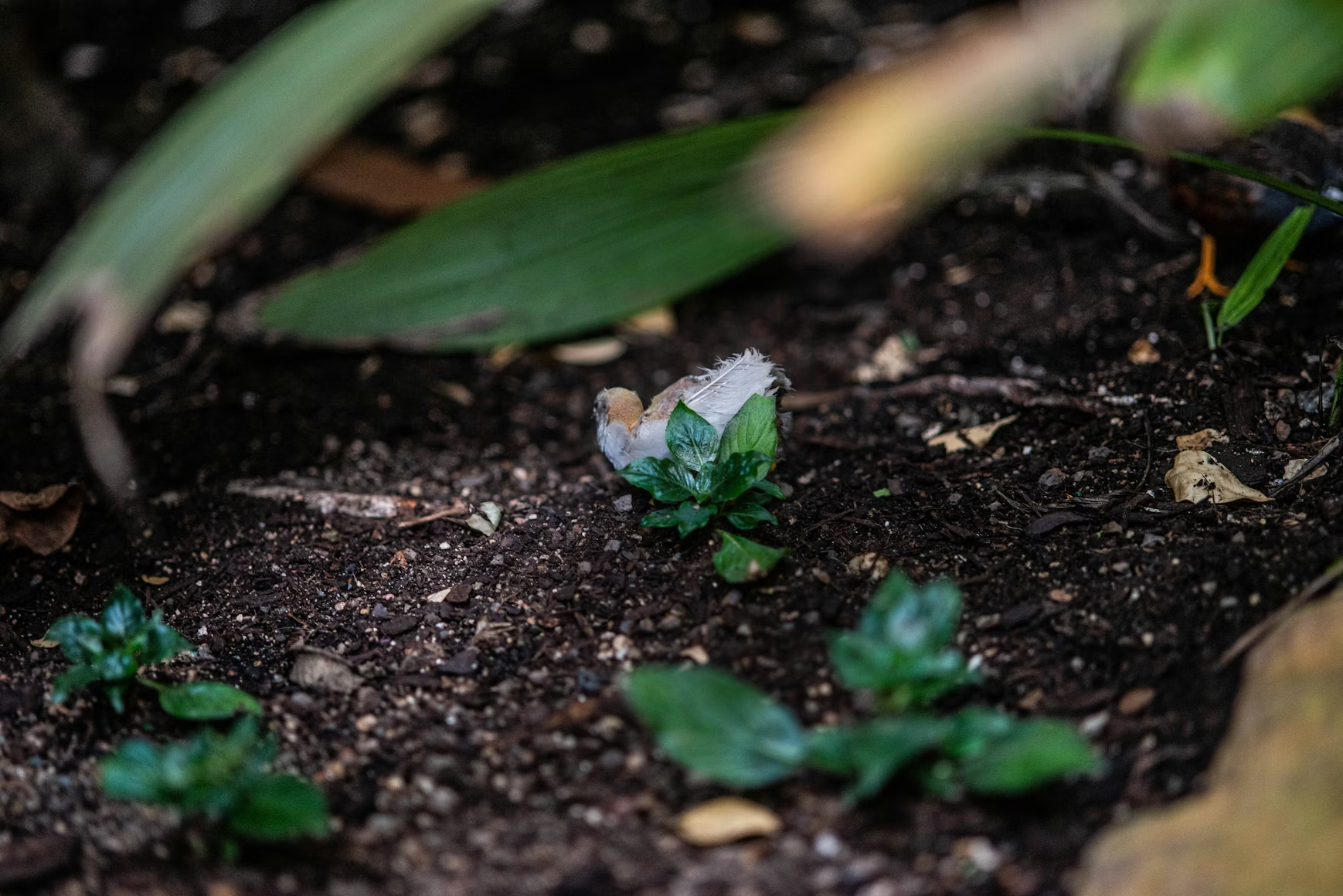

Fulvic acid is a natural compound that builds up in soil as microorganisms slowly break down plant remains, leaves, roots, and other organic materials over long periods. It is one part of the larger group of humic substances that give healthy soils their dark color and rich feel. Because of its small size and easy solubility in water, fulvic acid can move through the soil quickly and help in ways that support both the ground itself and the plants growing in it.
Many gardeners, farmers, and soil experts have noticed how adding fulvic acid can bring positive changes to tired or less fertile areas. Fulvic acid works gently to improve conditions without harsh chemicals, making it a popular choice for those looking to nurture the earth naturally. Over time, regular use often leads to stronger plants, better harvests, and more balanced soil that stays productive season after season.
Improving Soil Structure and Moisture Holding
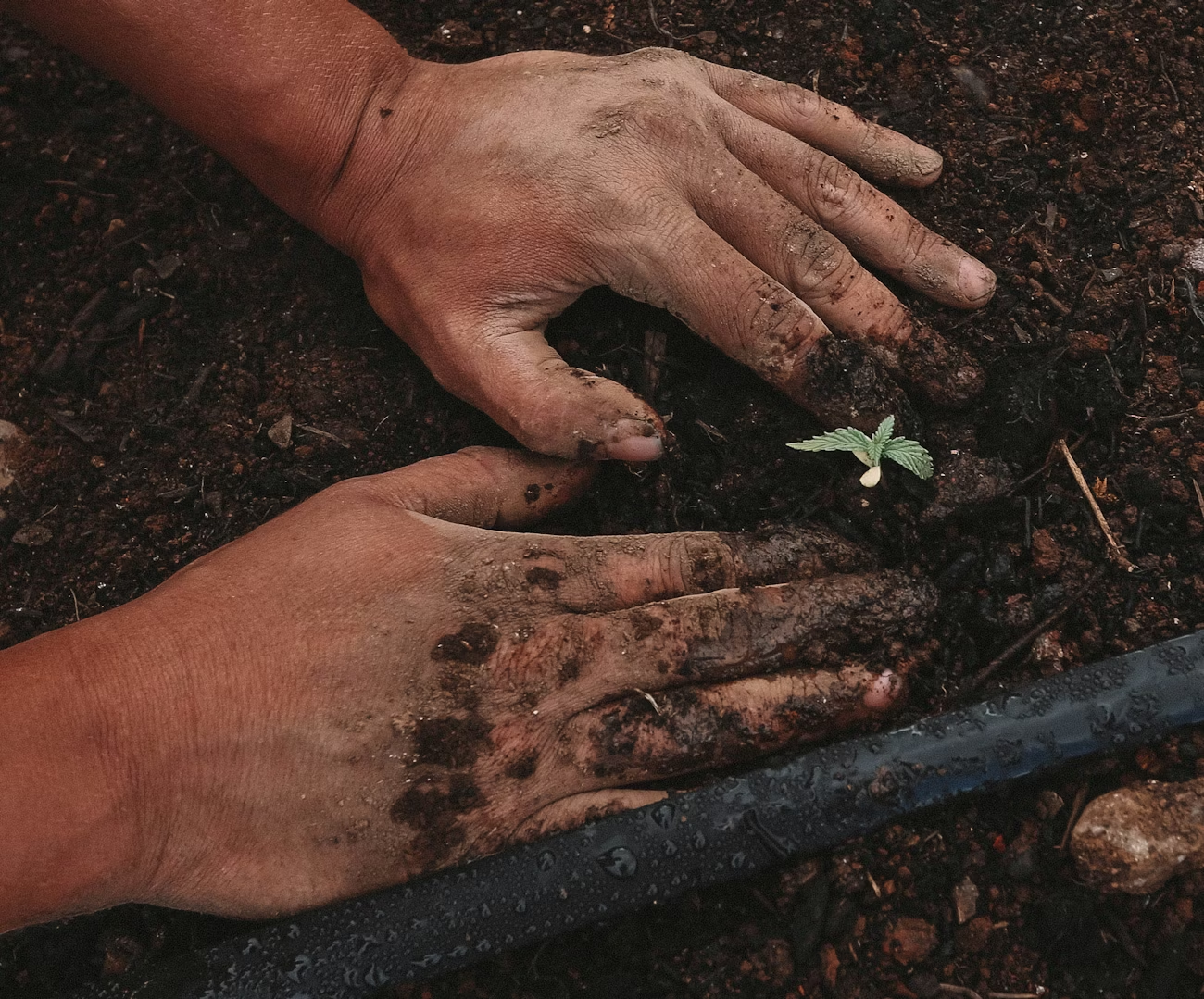
One of the main ways fulvic acid helps is by encouraging soil particles to form loose groups or aggregates. These create small pockets that allow air to reach plant roots and water to drain properly without pooling. In soils that are heavy and tend to compact, like clay types, fulvic acid helps loosen them so roots can grow more freely. In lighter, sandy soils that dry out fast, it assists in retaining moisture longer, reducing the need for frequent watering.
This better structure also means less erosion from wind or rain, as the ground holds together more firmly yet remains porous. Many who work the land report that areas treated with fulvic acid feel softer and more workable, with improved tilth that makes planting and tending easier.
Enhancing Nutrient Availability for Plants
Plants rely on minerals in the soil, such as iron, zinc, calcium, and others, but these can sometimes become locked in forms that roots struggle to use. Fulvic acid acts as a natural helper by binding gently to these nutrients, making them more soluble and easier for plants to absorb. This process, often called chelation, provides a steadier supply of essentials, leading to healthier growth.
Observations from various fields and gardens show plants with deeper green leaves and more robust development when fulvic acid is present. It seems to support efficient use of fertilizers already in the soil, sometimes allowing for less additional input while still achieving good results.
Supporting Beneficial Soil Life and Microbial Activity
Healthy soil teems with tiny organisms—bacteria, fungi, and others—that break down materials and cycle nutrients. Fulvic acid provides food and encouragement for these helpful microbes, helping their populations grow and stay active. In turn, a lively microbial community contributes to ongoing soil fertility by releasing bound nutrients and improving overall balance.
Many studies and practical experiences indicate that soils enriched with fulvic acid show more signs of life, such as increased earthworm activity and better decomposition of added organic matter like compost.
Promoting Stronger Roots and Overall Plant Vigor
Gardeners often note stronger root systems in plants grown with fulvic acid support. Roots extend farther and branch more, anchoring plants securely and allowing them to access water and nutrients from a wider area. This foundation leads to taller stems, fuller foliage, and often larger fruits or vegetables.
In challenging situations, such as dry spells or poor soil conditions, plants appear more resilient, recovering faster and showing less signs of stress like wilting.
Potential Role in Managing Environmental Stresses
In areas affected by salinity, drought, or other difficulties, fulvic acid may help plants cope better by supporting their natural defenses and improving water use efficiency. Some reports suggest it aids in balancing soil pH over time and contributes to reducing the impact of certain unwanted elements.
Additionally, in soils with past exposures to heavy metals or pollutants, fulvic acid‘s binding properties can play a part in stabilization, though careful sourcing and application are important.
Advantages in Organic and Sustainable Practices
Fulvic acid fits well with approaches that avoid synthetic inputs, as it comes from natural sources and supports long-term soil building. Many organic growers appreciate how it complements composting, cover cropping, and crop rotation to create resilient systems.
Users frequently mention potential for higher quality produce—better taste, longer shelf life, and improved nutritional content—along with steady increases in yield over multiple seasons.
Experiences from Gardens, Fields, and Research Observations
Countless accounts from home gardens to larger farms describe noticeable improvements: thicker lawns, more abundant blooms, and bountiful vegetable harvests. In crop fields, some observe reduced need for other amendments while maintaining or increasing output.
Scientific examinations, including pot trials and field tests on various crops like wheat, tomatoes, barley, and maize, often show positive effects on growth parameters, nutrient levels, and soil properties. Results can vary based on soil type, climate, and application method, but many find consistent benefits with patient, regular use.
Guidance for Incorporating Fulvic Acid
Available in liquid, powder, or granular forms, fulvic acid can be mixed into water for irrigation, worked into the ground before planting, or applied as a foliar spray. Starting with modest amounts and observing responses helps tailor it to specific conditions.
Selecting products from reliable sources ensures purity and effectiveness. Combining with other good habits—such as adding organic matter, maintaining cover, and monitoring soil needs—tends to yield the strongest outcomes.
Conclusion
In summary, fulvic acid offers a range of gentle yet meaningful supports for soil health and plant development, drawing from natural processes that have enriched the earth for ages. From better structure and nutrient flow to enhanced microbial life and plant resilience, its contributions align with efforts to grow strong crops while caring for the land. Many who incorporate it thoughtfully find it a helpful ally in fostering productive, balanced growing spaces that benefit both current harvests and future seasons. Consistent attention to overall soil care remains key to lasting vitality.

Leave a Reply