
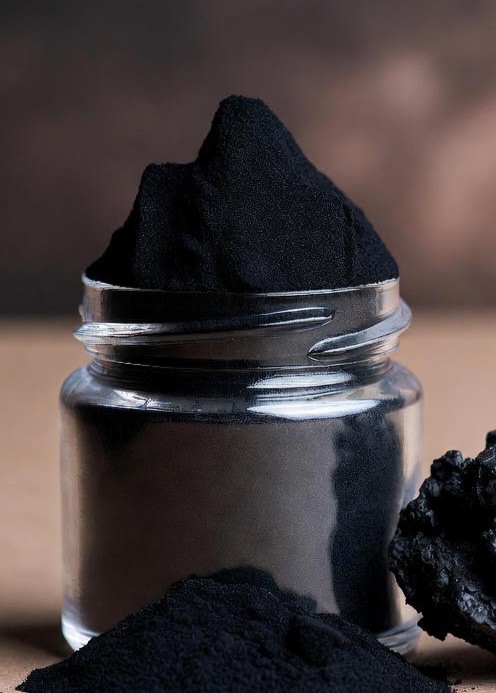

Fulvic acid is a natural substance that forms over time as plants and other organic materials break down in the soil. Fulvic acid comes from humic substances, which are part of the rich, dark matter found in healthy earth. This compound is yellow-brown in color and dissolves easily in water. What makes fulvic acid special is its small size, which allows it to carry minerals and nutrients into cells more effectively than larger molecules. For many years, people in traditional systems like Ayurveda have used sources rich in fulvic acid, such as shilajit from mountain rocks, to support overall well-being.
Today, many individuals turn to fulvic acid supplements to help with nutrient uptake. The idea is that it acts like a helper, moving essential minerals and other goodies from food or supplements right into the body’s cells. Some people report feeling more energetic, having better digestion, or noticing improvements in their skin and immune function after using it. There are also suggestions that it might help with detoxification by binding to unwanted substances and aiding their removal, or by supporting a balanced gut environment. Additionally, its antioxidant properties could play a role in reducing everyday inflammation.
That said, much of what we know comes from older uses, animal studies, or early research rather than large human trials. For instance, some studies point to potential benefits for brain health, like protecting against certain protein buildups, or for skin conditions such as eczema when applied topically. Others explore its possible effects on energy production at the cellular level or on maintaining healthy cholesterol balance. However, experts emphasize that these findings are preliminary, and fulvic acid is not a proven treatment for any specific condition. It is always advisable to discuss supplementation with a healthcare provider, especially since individual responses can vary.
On the safety side, fulvic acid from reputable sources appears generally well-tolerated in moderate amounts. Potential concerns include the risk of heavy metal contamination in low-quality products, particularly those derived from unpurified shilajit or soil extracts. Contaminants like lead or arsenic have been noted in some cases, underscoring the importance of choosing tested options. There may also be interactions with medications, such as those affecting blood clotting, or risks for individuals with autoimmune conditions, as it could influence immune activity. Starting with small doses and monitoring how the body responds is a prudent approach.
Factors to Consider When Selecting a Fulvic Acid Supplement
Choosing a suitable fulvic acid supplement involves evaluating several key aspects to ensure quality and effectiveness:
- Source and Purity: Products from clean, natural origins, such as ancient peat beds or purified Himalayan shilajit, tend to be preferable. Extraction methods that avoid harsh chemicals help preserve the compound’s integrity.
- Fulvic Acid Content: Look for clear labeling of concentration levels, often ranging from 20% in shilajit-based products to higher percentages in concentrated liquids.
- Form and Absorption: Liquids are frequently favored for quicker uptake, while capsules offer ease of use without taste issues.
- Additional Components: Many include trace minerals, electrolytes, or humic acid for broader support.
- Testing and Transparency: Independent lab verification for contaminants, along with certifications like non-GMO or vegan, provides reassurance.
Potential Benefits of Fulvic Acid
Research into fulvic acid‘s benefits remains in early stages, with much evidence drawn from preclinical studies (in vitro and animal models), limited human trials, and observational data. Below is a summary of the most frequently discussed potential benefits, along with the supporting evidence:
- Enhanced Nutrient and Mineral Absorption: Fulvic acid’s low molecular weight allows it to form complexes with minerals, facilitating their entry into cells. This may improve bioavailability of trace elements like iron, magnesium, and zinc. Agricultural and animal studies support increased nutrient uptake, and some human observations align with this, though direct large-scale trials are lacking.
- Antioxidant and Anti-Inflammatory Effects: Studies indicate fulvic acid can scavenge free radicals and modulate inflammatory pathways. A 2018 review highlighted its potential in reducing chronic inflammation related to conditions like diabetes. More recent 2025 publications note abilities to neutralize reactive oxygen species and influence cytokine production. However, effects can vary by dose, with higher amounts occasionally showing pro-oxidant or pro-inflammatory activity.
- Support for Gut Health and Microbiota: Preliminary research suggests fulvic acid may promote beneficial gut bacteria and aid digestion. Animal models demonstrate improvements in microbiota balance, and some users report reduced bloating or better regularity, potentially linked to its role in nutrient transport and mild prebiotic effects.
- Immune System Modulation: Fulvic acid exhibits immunomodulatory properties in laboratory settings, potentially enhancing defense against pathogens while reducing excessive inflammation. Mixed results exist, as it may stimulate immune activity in some contexts, which could be beneficial or counterproductive depending on individual health.
- Energy and Vitality Support: Anecdotal reports and small studies associate fulvic acid (often via shilajit) with increased energy, possibly through better mitochondrial function and mineral delivery. Some evidence points to roles in cellular energy production, though not conclusively proven in humans.
- Potential Brain Health Benefits: Early investigations explore fulvic acid‘s interference with protein aggregation linked to neurodegenerative conditions. Animal studies show neuroprotective effects, and traditional use supports cognitive vitality, but human data remain limited.
- Skin and Wound Healing: Topical applications have shown anti-inflammatory benefits in small trials, comparable to mild steroids for conditions like eczema. Antioxidant properties may contribute to skin hydration and protection.
Other areas under exploration include detoxification (by binding heavy metals), hormonal balance (e.g., modest testosterone support in shilajit studies), and stress reduction, but these lack strong substantiation.
It is essential to note that authoritative sources consistently state there is no strong scientific evidence supporting fulvic acid as a treatment for specific diseases, such as allergies, fatigue, Alzheimer’s, or cancer. Benefits observed are often indirect, tied to general mineral support rather than direct therapeutic action.
Recommended Fulvic Acid Supplements
As of early 2026, several supplements have garnered positive attention based on user experiences, expert reviews, and available testing data. Here are some noteworthy options:
- Trace Minerals Ionic Fulvic Acid: This liquid form delivers around 250 mg per serving alongside a spectrum of ionic trace minerals. It is often appreciated for supporting hydration, daily energy, and digestive comfort. Its neutral flavor makes it simple to add to water.
- Vital Earth Minerals Fulvic Mineral Complex: A popular liquid blend with over 70 trace minerals, extracted gently for better bioavailability. Many users mention gradual improvements in vitality and overall balance.
- Double Wood Supplements Shilajit: Standardized to 20% fulvic acid in capsule form, sourced from Himalayan shilajit. It is valued for its antioxidant support and convenience, with no fillers.
- Pure Himalayan Shilajit Resin or Liquid Drops: Minimally processed options that retain high natural fulvic acid levels. These traditional forms are praised for potency but require careful sourcing to ensure purity.
- Mother Earth Labs Humic & Fulvic Blend: A comprehensive liquid providing fulvic acid and humic acid with numerous minerals. It is noted for its role in cellular support and gut health.
Practical Guidelines for Use
Common starting doses fall between 200-500 mg of fulvic acid per day, typically mixed into non-chlorinated water or taken with food to enhance absorption. Consistency over weeks or months often yields the best-reported results. Avoid chlorinated tap water, as it may diminish effectiveness.
Considerations Regarding Safety and Limitations
Fulvic acid from purified sources appears generally well-tolerated in short-term use at moderate doses. Reported side effects are mild and infrequent, including digestive discomfort, headaches, or throat irritation. More significant concerns involve product quality: unpurified sources may contain heavy metals (e.g., lead, arsenic), posing risks of contamination.
Individuals with autoimmune conditions should exercise caution, as fulvic acid may enhance immune activity. Potential interactions with medications (e.g., anticoagulants or immunosuppressants) warrant discussion with a healthcare provider. Long-term safety data are limited, and effects during pregnancy or breastfeeding are unknown.
Conclusion
In summary, while fulvic acid offers intriguing possibilities for supporting mineral nutrition and related physiological processes, its benefits are supported primarily by preliminary research and traditional applications rather than definitive clinical proof. Incorporation should be approached thoughtfully, prioritizing third-party tested products and professional medical guidance to align with individual health needs. Ongoing studies may clarify its role further in the coming years.
Fulvic acid offers an intriguing natural option for those seeking to complement their mineral intake and support general wellness. While traditional use and emerging studies provide encouraging insights, robust clinical evidence in humans is still developing. Prioritizing high-quality, tested products and professional guidance ensures a safe and informed approach to incorporation.




Leave a Reply