
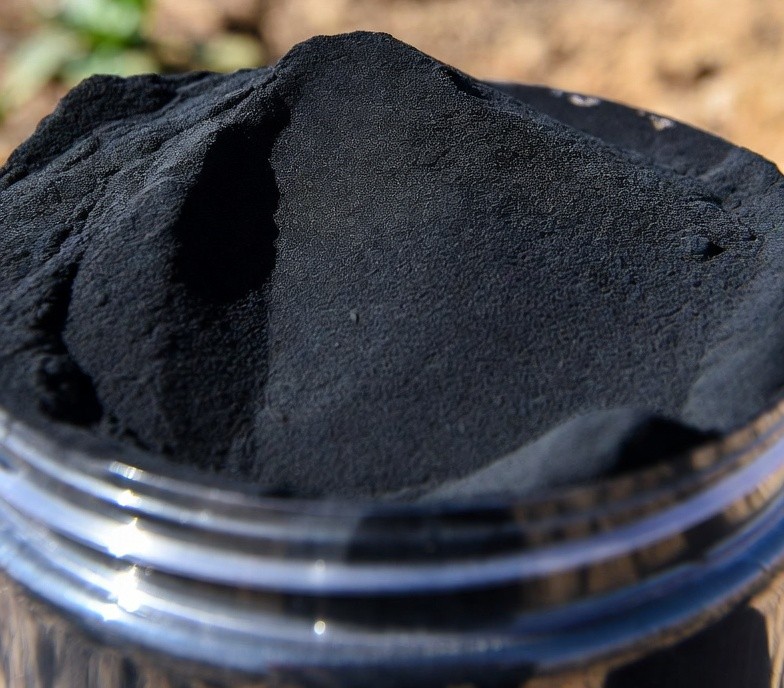

Potassium fulvate is a highly soluble organic compound widely utilized in modern agriculture as a biostimulant, soil conditioner, and nutrient enhancer. It consists of the potassium salt of fulvic acid, a naturally occurring component of humic substances derived primarily from the decomposition of ancient plant material (such as leonardite or lignite).
Chemical and Physical Characteristics
Fulvic acid represents the lowest molecular weight fraction of humic substances (typically 300–1,000 Da), characterized by a high content of oxygen-containing functional groups (carboxyl, hydroxyl, phenolic, among others). This structure confers excellent chelating properties, high solubility across a broad pH range, and strong resistance to flocculation even in hard water or when combined with various fertilizers.
Commercial potassium fulvate products are usually extracted from mineral sources (e.g., young leonardite) through alkaline processing, yielding a black powder, flake, or liquid form that is 100% water-soluble with a typical pH of 9–11. Standard specifications include:
- Fulvic acid content: 10–80% (dry basis, depending on grade)
- Total humic substances: often 50–75%
- K₂O (potassium oxide): 8–12%
- Low heavy metal content (e.g., Hg <2 mg/kg, As <15 mg/kg)
Ultra Long & Ultra Low Potassium Fulvate Protocol
(Assumes product with 55–70% fulvic acid, 10–12% K₂O, high solubility)
| Application Timing | Method | Dose per hectare | Dilution (water volume) | Primary Purpose / Mechanism | Cumulative fulvic/ha/season |
|---|---|---|---|---|---|
| Pre-sowing / soil preparation (1–2 weeks before planting) | Soil broadcast spray or light fertigation | 50–100 g | 400–800 L | Initial dormant microbial wake-up + early carbon priming | 0.05–0.10 kg |
| At sowing / planting | Seed coating or very light furrow + foliar micro | 30–60 g (soil) + 15–30 g (foliar) | Soil: 150–300 L Foliar: 100–200 L | Seed/root zone microbiome inoculation + minimal early exudation | 0.10–0.19 kg |
| 7–10 days after emergence | Foliar + light soil irrigation | 40–70 g | 200–350 L | First gentle phyllosphere/rhizosphere stimulation | 0.14–0.26 kg |
| Vegetative phase (every 10–14 days) | Foliar dominant (5–8 applications) | 30–60 g × 5–8 times | 150–300 L | Continuous low-level carbon feeding for sustained microbial diversity | +0.15–0.48 kg |
| Transition to reproductive phase (bud initiation) | Foliar + fertigation | 50–90 g | 300–600 L | Subtle support for pollen/microbe interactions + stress buffer | 0.19–0.35 kg |
| Fruit/seed filling (every 14–21 days) | Primarily fertigation (3–5 applications) | 40–80 g × 3–5 times | 600–1000 L | Gradual fruit load maintenance via improved transport & buffering | +0.12–0.40 kg |
| Post-harvest / residue management | Soil/stubble drench spray | 80–150 g | 500–900 L | Accelerated residue decomposition + building reserves for next cycle | 0.27–0.50 kg |
Realistic seasonal total range (serious ultra-low biology-focused programs): 0.45 – 0.90 kg/ha/cycle Most frequently adopted effective range among regenerative/carbon-oriented practitioners: 0.55 – 0.75 kg/ha/season
Comparison of Application Philosophies (Updated)
| Philosophy | Seasonal Total (kg/ha) | Typical Single Application | Time to Noticeable Soil Biology Shift | Main Goal / Primary Trade-off |
|---|---|---|---|---|
| High-dose shock | 3.0–8.0 | 400–1200 g | 1–2 weeks | Rapid visual recovery / high cost, short duration |
| Standard commercial | 2.0–3.5 | 200–500 g | 1–2 seasons | Balanced yield + quality |
| Long & low (biology priority) | 0.9–2.2 | 60–180 g | 2–4 seasons | Strong soil life + resilience |
| Ultra long & ultra low | 0.45–0.90 | 30–90 g | 3–6+ seasons | Maximum microbiome succession + deep carbon stock |
Benefits of Potassium Fulvate in Agriculture
Potassium fulvate, typically containing 50–80% fulvic acid and 8–12% K₂O, serves as an effective organic biostimulant and soil conditioner. Its small molecular size enables rapid absorption and multifaceted effects on soil and plants.
- Enhanced Nutrient Uptake and Efficiency — Potassium Fulvate acts as a natural chelator, binding essential nutrients (including nitrogen, phosphorus, potassium, and trace elements) and making them more bioavailable to plants. This reduces nutrient leaching, fixation, and volatilization, thereby improving fertilizer utilization rates.
- Soil Structure and Health Improvement — It promotes soil aggregation, increases water-stable aggregates, enhances aeration, water retention (up to 20–30% in some studies), and overall physical properties. It is particularly effective in sandy, compacted, saline-alkali, or degraded soils.
- Stimulation of Soil Microbial Activity — It activates beneficial microorganisms, accelerates organic matter decomposition (e.g., crop residues), and supports a balanced rhizosphere microbiome, which contributes to long-term soil fertility and suppression of certain soil-borne pathogens.
- Plant Growth Promotion and Stress Resistance — It stimulates root development, seed germination, enzyme activity, and photosynthesis. Plants exhibit improved tolerance to abiotic stresses such as drought, salinity, cold, and heat, as well as enhanced disease resistance through stronger physiological vigor.
- Crop Yield and Quality Enhancement — Consistent application often results in higher yields (reported increases of 10–30% in various crops), better fruit set, improved sugar content, color, flavor, and overall produce quality.
- Environmental and Sustainability Advantages — Derived from natural sources (e.g., leonardite), it supports organic farming, reduces reliance on synthetic inputs, detoxifies soils by binding heavy metals, and minimizes environmental pollution risks.
These benefits are most pronounced with regular, moderate applications over multiple seasons, aligning well with the long and low philosophy.
Where to Obtain High-Quality Potassium Fulvate Products
To ensure efficacy, select products with verified specifications (e.g., ≥50% fulvic acid, high solubility, low heavy metal content, and preferably mineral-derived from leonardite for consistent quality). Avoid low-grade or adulterated materials.
- International Reputable Manufacturers — Leading global suppliers include Saint Humic Acid. Company offers powder, flake, or liquid forms with detailed certificates of analysis, anti-flocculation properties (resistant to hard water), and compliance with international standards.
- Recommendations — Prioritize suppliers providing third-party testing, anti-hard-water formulations, and proven field results. Bulk purchases or direct contact with manufacturers often yield better quality assurance than generic market products.
Limitations and Potential Drawbacks
While potassium fulvate is generally safe and beneficial, certain constraints should be considered for optimal use.
- pH and Compatibility Issues — The product is typically alkaline (pH ~9.0), so it should not be mixed with strongly acidic fertilizers, pesticides, or non-chelated medium/trace elements to avoid antagonism, precipitation, or reduced efficacy.
- Risk of Over-Application — Excessive doses may lead to nutrient imbalances, minor leaf spotting (in foliar use), or temporary effects on soil microbial balance. Adhere strictly to recommended rates, especially in the long and low protocol (single applications ≤200 g/ha foliar).
- Variable Efficacy by Source — Mineral-derived products generally outperform biochemical versions in consistency and long-term soil effects, but results depend on raw material quality and processing.
- Slower Visible Results — In contrast to high-dose “shock” applications, the gradual biology-focused approach yields benefits primarily after 2–4 seasons, requiring patience and consistent use.
- Storage and Handling — Potassium Fulvate must be kept dry and protected from moisture to maintain solubility and activity; prolonged exposure can reduce effectiveness.
- Cost and Availability — High-quality products are more expensive than basic fertilizers, and local supply may involve import dependencies, potentially affecting pricing and delivery.
In summary, potassium fulvate represents a valuable tool for sustainable agriculture when sourced correctly and applied judiciously. Potassium fulvate constitutes a strategic tool for farmers and agronomists seeking to optimize productivity without compromising soil vitality or ecological integrity. Its integration into balanced nutrient management programs—ideally with verified high-quality products and adherence to recommended application guidelines—yields cumulative benefits that become increasingly pronounced over time.



Leave a Reply