
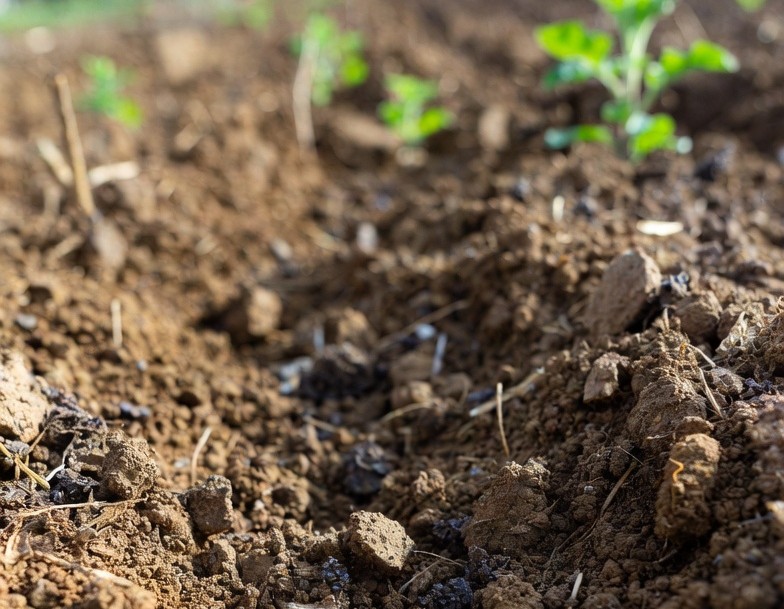

Potassium fulvic acid, or potassium fulvate, delivers a range of well-documented advantages in agricultural systems. These benefits arise from its unique molecular properties—low molecular weight, high solubility, and abundant oxygen-containing functional groups—which enable effective interactions with soil components, nutrients, and plant physiology. The following sections outline the principal benefits, supported by empirical observations and research findings across diverse crops and conditions.
Enhanced Nutrient Availability and Utilization Efficiency
Potassium fulvate significantly improves the bioavailability of essential macronutrients and micronutrients. Its chelating capacity binds cations such as iron, zinc, manganese, copper, and calcium, preventing their precipitation or fixation in the soil matrix. This process converts insoluble or less available forms into stable, plant-accessible complexes, thereby reducing nutrient losses through leaching or immobilization.
For phosphorus, potassium fulvate inhibits fixation by iron, aluminum, or calcium ions, increasing soluble and exchangeable fractions. Nitrogen dynamics benefit from moderated urease activity, which limits ammonia volatilization and extends availability. Potassium from both the compound itself and soil reserves becomes more readily accessible through ion exchange mechanisms. Studies indicate that combining potassium fulvate with standard NPK fertilizers can elevate overall nutrient use efficiency, often by substantial margins, leading to reduced fertilizer inputs while sustaining or increasing crop performance.
Improved Soil Physical and Chemical Properties
Application of potassium fulvate promotes soil aggregation by facilitating stable granule formation, particularly through interactions with calcium ions. This enhances soil structure, increasing porosity, aeration, and water-holding capacity while reducing compaction and crusting. In sandy or heavy clay soils, potassium fulvate improves tilth and moisture regulation, mitigating drought effects and supporting consistent root development.
Soil organic matter content rises gradually with repeated use, contributing to better cation exchange capacity and pH buffering. In saline or degraded soils, it aids in reducing salinity impacts by enhancing osmotic adjustment and immobilizing certain heavy metals, thereby lowering their bioavailability and potential toxicity to plants.
Stimulation of Plant Growth and Physiological Processes
Potassium fulvate functions as a potent biostimulant, promoting root proliferation—including increased lateral roots and root hair density—which expands the absorptive surface area for water and nutrients. Photosynthetic activity improves through elevated chlorophyll levels, stomatal conductance, and overall metabolic efficiency. These effects manifest in greater biomass accumulation, stronger stems, and enhanced vegetative growth.
In various crops, including cereals, vegetables, and fruits, applications correlate with higher yields, improved fruit set, and elevated quality parameters such as soluble solids, sugars, vitamins, and flavor compounds.
Increased Tolerance to Abiotic and Biotic Stresses
Under environmental stresses, potassium fulvate bolsters plant resilience. In salinity conditions—common in citrus, blueberry, and other sensitive species—it regulates osmotic balance via accumulation of proline and soluble sugars, activates antioxidant enzymes (e.g., superoxide dismutase, peroxidase, catalase), and reduces oxidative damage from reactive oxygen species. Drought tolerance improves through reduced stomatal opening, lower transpiration rates, and enhanced water retention in plant tissues.
Cold and heat stresses see mitigation via increased cellular organic matter and membrane stability. Regarding biotic factors, potassium fulvate supports beneficial rhizosphere microbial communities, fostering positive bacterial-fungal interactions and suppressing pathogenic populations. In continuous cropping systems, such as tobacco or ginseng, it elevates organic matter, enzyme activities (e.g., catalase, sucrase, urease), and beneficial taxa while decreasing disease incidence.
Promotion of Beneficial Soil Microbial Activity
Potassium fulvate serves as a high-quality carbon source for soil microorganisms, stimulating proliferation of beneficial groups including Bacillus, Proteobacteria, and certain fungi. This leads to accelerated organic matter decomposition, improved nutrient cycling, and enhanced microbial network complexity. In ginseng and tobacco rhizospheres, applications shift community structures toward greater positive correlations, reducing pathogen dominance and supporting sustained soil fertility.
Synergistic Effects with Fertilizers and Sustainable Outcomes
When integrated with conventional fertilizers, potassium fulvate acts as a synergist, prolonging nutrient release and minimizing environmental losses. This compatibility supports reduced overall fertilizer requirements, lower production costs, and decreased risk of soil pollution from excess applications. Long-term use contributes to sustainable intensification by restoring degraded soils, enhancing crop quality, and promoting ecological balance.
Summary of Practical Implications
Potassium fulvate is a valuable tool within integrated nutrient and soil management systems, but it is not a universal solution. Its effectiveness is maximized when:
- Used in combination with balanced fertilization and good agronomic practices
- Applied at appropriate rates and timings
- Sourced from reputable suppliers with verified composition
- Targeted toward crops and conditions known to respond well
For growers considering its adoption, small-scale trials under local conditions are strongly recommended before large-scale implementation. In practical terms, these benefits have been consistently observed in field and controlled studies on crops such as tobacco, ginseng, citrus, blueberry, tomato, sweet potato, and various grains. Optimal outcomes depend on application timing, dosage, and soil-crop context, with mineral-sourced products typically providing reliable performance due to consistent composition and activity. Potassium fulvate thus serves as a valuable component in modern nutrient management strategies aimed at productivity, resilience, and environmental stewardship.



Leave a Reply