
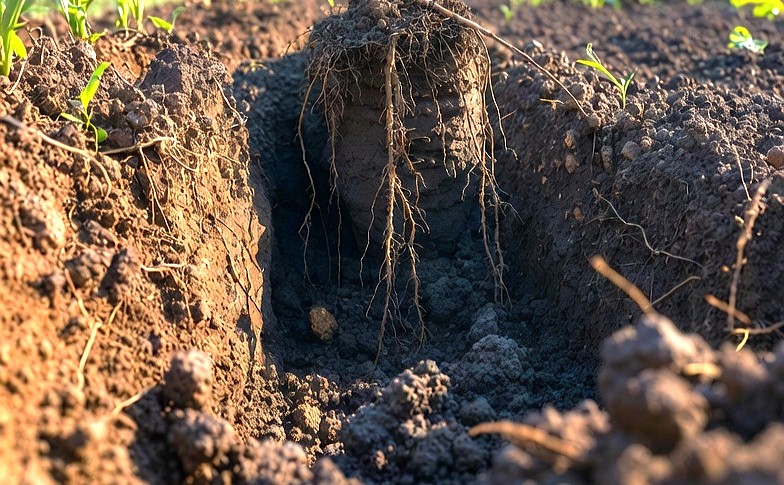

Organic humate, often called organic potassium humate or simply humic substances from certified sources, stands as one of the most practical natural tools available to farmers today who follow organic methods. Extracted mainly from leonardite—a soft, oxidized form of lignite found in ancient deposits—it supplies humic acid, fulvic acid, and humin in their natural state. When properly certified (OMRI-listed in the US, or meeting equivalent standards elsewhere), it qualifies fully for use in organic production without risking certification status.
The shift toward it often comes after noticing problems like hardening soil, declining yields despite heavy fertilizer use, poor water retention during dry spells, or weak root systems in young plants.
Where Organic Humate Comes From and What It Contains
The raw material is usually leonardite, a dark, crumbly substance that sits near the surface of old lignite seams. It forms when plant material from millions of years ago partially breaks down but does not fully turn into coal. High-quality leonardite contains 50–85% humic substances, with the best sources reaching the higher end.
In organic-certified products, manufacturers avoid strong synthetic chemicals during processing. They typically use mild alkaline extraction (often with potassium hydroxide) to produce a soluble form rich in potassium humate. Finished products commonly show:
- 60–75% total humic and fulvic acids
- 8–12% potassium (expressed as K₂O)
- Low ash content and no heavy metal concerns when from reputable suppliers
This composition makes it different from raw compost or manure, which carry variable nutrient levels and require longer decomposition times.
Soil Aggregation and Physical Structure
Humic acids contribute significantly to soil particle aggregation. In clay-dominated or compacted soils, individual fine particles tend to pack tightly, restricting air movement, water infiltration, and root growth. Humic molecules, with their negatively charged surfaces (from carboxylic and phenolic groups), interact with positively charged clay particles and metal ions (such as calcium, magnesium, or iron). This interaction forms bridges that bind particles into larger, stable aggregates—often referred to as macro-aggregates.
As aggregates form, pore spaces increase between them. This improves soil aeration, allowing oxygen to reach roots and beneficial microbes more easily. Water penetrates more readily instead of ponding on the surface or running off, while excess water drains without causing waterlogging. Over repeated applications, the soil becomes noticeably looser and less prone to crusting after rain or irrigation. In practical terms, farmers often observe that fields become easier to till and that machinery traffic causes less compaction damage.
Chelation and Nutrient Availability
Humic and fulvic acids function as natural chelating agents. Chelation involves the acids wrapping around positively charged nutrient ions (cations such as iron, zinc, manganese, copper, and even some forms of phosphorus) through multiple binding sites on their molecular structure. This forms stable, soluble complexes that prevent nutrients from becoming fixed or unavailable.
In high-pH (alkaline) soils, common in parts of the Mekong Delta, iron and zinc often form insoluble compounds that plants cannot absorb, leading to deficiencies like chlorosis (yellowing leaves). Chelated forms remain mobile in the soil solution and move toward roots via mass flow or diffusion. Fulvic acids, being smaller and soluble across a wide pH range, transport these nutrients directly into root tissues more efficiently than humic acids, which primarily hold nutrients in the soil for gradual release.
This mechanism reduces nutrient leaching during heavy rains and extends the availability of applied fertilizers. Farmers frequently report that they can maintain yields while gradually lowering NPK rates, as more of the existing or added nutrients stay accessible to plants over the growing season.
Water Retention and Availability
Humic substances possess a high capacity to absorb and hold water—often estimated at several hundred times their own weight in some studies, though practical field effects are more modest but still significant. The sponge-like quality arises from the hydrophilic (water-attracting) functional groups on humic molecules. Water molecules bind to these sites and remain available to plants longer during dry periods.
In sandy or drought-prone soils, this reduces evaporation losses and helps maintain soil moisture between irrigations or rain events. During the dry season in southern Vietnam, treated fields typically show less wilting and better plant turgor compared to untreated ones. The improved soil structure from aggregation also prevents rapid drying at the surface, further conserving moisture deeper in the profile where roots can access it.
Microbial Stimulation and Biological Activity
Organic humate supplies a stable, readily utilizable carbon source for soil microorganisms. Beneficial bacteria, fungi (including mycorrhizal species), and other microbes feed on these carbon-rich compounds, increasing their populations and activity. Enhanced microbial communities accelerate the breakdown of organic residues, release bound nutrients, and produce natural growth-promoting substances.
Over time, increased microbial activity leads to higher enzyme levels (such as urease, phosphatase, and sucrase) that drive nutrient cycling. Earthworm populations often rise as the soil becomes more aerated, friable, and biologically active—the soil darkens noticeably and develops a crumbly texture. This biological boost helps suppress certain soil-borne pathogens indirectly by fostering a more competitive environment for beneficial organisms.
Buffering Against Salinity, Acidity, and Other Stresses
In saline or sodic soils, humic substances bind excess sodium ions, reducing their harmful effects on root membranes and water uptake. They also complex aluminum in acidic soils, limiting its toxicity to roots. By moderating pH extremes through buffering capacity, humate creates a more stable root-zone environment.
These protective actions improve osmotic regulation within plants, enhance antioxidant enzyme activity (such as superoxide dismutase, catalase, and peroxidase), and reduce oxidative damage indicators like malondialdehyde. Plants exhibit better tolerance to drought, salinity, or temperature fluctuations, with stronger recovery after stress events.
Timeline of Observed Changes
Initial effects often appear within the first season: leaves turn greener due to improved nutrient uptake (especially iron and nitrogen), plants wilt less under heat or dry conditions, and roots show modest increases in length and branching. These early signs stem mainly from fulvic acid’s rapid chelation and transport functions, along with some immediate water-holding benefits.
More substantial soil rebuilding—darker color, improved tilth, higher earthworm activity, and sustained nutrient efficiency—typically requires two to four consistent seasons. Aggregation and microbial shifts accumulate gradually, leading to progressively better performance even under challenging weather or continuous cropping differences—greener leaves, less wilting in heat—within one season, but the real soil rebuilding shows after two to four years of steady use.
What Farmers Commonly Observe in Crops
In rice fields, many report stronger tillering, fuller grain heads, and better recovery after flooding or drought stress. Vegetable growers (tomatoes, cucumbers, leafy greens) frequently mention larger, more uniform fruits or leaves with deeper color and longer shelf life after harvest. Fruit tree farmers—durian, longan, pomelo, citrus—often describe faster root regrowth after heavy bearing seasons, more even fruit set, and improved taste and size.
Yield increases vary widely depending on starting soil conditions, but 10–25% gains appear regularly in vegetables and grains, while fruit crops sometimes show 15–30% better marketable output. Fertilizer savings also stand out: many reduce chemical or organic NPK rates by 15–30% without dropping production, since nutrients stay available longer.
Plants generally handle stress better—less leaf yellowing during hot spells, quicker bounce-back after transplanting, and fewer signs of micronutrient shortages even when soil tests show low levels.
Real-World Application Methods
Farmers adapt application to their crops, equipment, and budget.
- Granular or powder form: Spread 200–600 kg per hectare before planting or during land preparation for rice and field crops. For fruit trees, place 1–3 kg around the drip line per tree once or twice a year. Lightly mix into the top 10–20 cm of soil.
- Soluble/liquid potassium humate: Use through drip irrigation or fertigation at 5–20 liters per hectare (diluted according to label strength) every 15–30 days during active growth. Foliar sprays (0.5–2% solution) work well at flowering and fruit development stages.
Many combine humate with compost, green manure, or biofertilizers for stronger results. In saline or acid-sulfate soils near the coast or in the Mekong, some start with higher rates (up to 800–1000 kg/ha) in the first year to speed remediation, then drop to maintenance levels.
Timing matters: apply early in the crop cycle for root and soil benefits, then follow up during key stages like tillering in rice, flowering in vegetables, or fruit sizing in orchards.
Practical Points and Cautions
Results come gradually—do not expect overnight miracles like some synthetic stimulants provide. Soils already high in organic matter show smaller gains. Always check product certificates and lab reports for humic content; cheap versions sometimes contain more filler and less active material.
Over-application rarely causes harm, but in very fertile soils it can temporarily tie up certain nutrients if rates are excessive. Test soil periodically to guide amounts.
Storage is straightforward: keep dry products in a cool, shaded place; liquids should avoid freezing. Shelf life usually extends several years when sealed.
Closing Thoughts
Organic humate has earned its place in many farming operations because it addresses root causes of declining soil performance rather than masking symptoms with more inputs. When sourced properly, applied thoughtfully, and paired with other good practices like crop rotation and cover cropping, humate supports healthier plants, lower costs over time, and soils that keep producing season after season.
For anyone considering it, starting with a small test area and tracking changes in plant vigor, yield, and soil feel provides the clearest picture of its value on your own land. Local extension officers or experienced neighboring farmers can often share specific insights tailored to regional conditions. Organic humate enhances soil and plant function by addressing physical, chemical, and biological constraints in a balanced, cumulative manner. Its value lies in long-term soil restoration rather than short-term stimulation, making it particularly suitable for maintaining productivity in intensively managed agricultural systems. For optimal outcomes, combine it with practices such as reduced tillage, cover cropping, and periodic soil testing to monitor progress.



Leave a Reply