
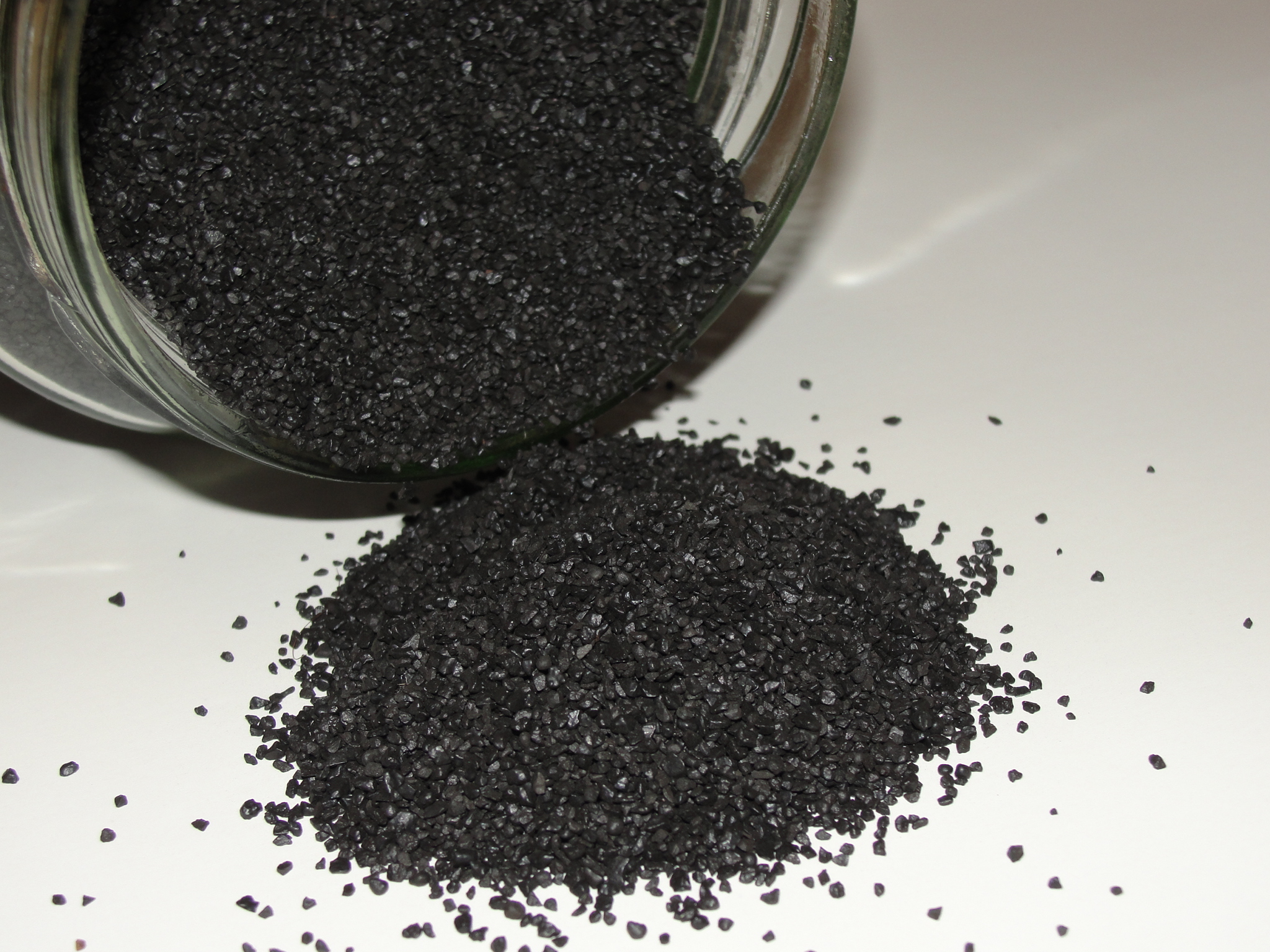

Humate, particularly in forms such as sodium humate and potassium humate, as well as commercial products containing humic acids (often referred to collectively as humates), serves as an effective agent for reducing ammonia emissions in agricultural and livestock settings. This application addresses a significant environmental and operational challenge in modern farming.
Ammonia (NH₃) volatilization represents a major source of nitrogen loss and atmospheric pollution from animal manure, poultry litter, and urea-based fertilizers. Excessive ammonia contributes to air quality degradation, odor nuisance, respiratory issues for livestock and workers, and environmental concerns including eutrophication.
Mechanisms of Ammonia Reduction by Humate
Humates reduce ammonia primarily through the following processes:
- Binding and complexation: Humic substances possess functional groups (carboxyl and phenolic) that adsorb or bind ammonia, forming stable ammonium-humate complexes that minimize volatilization.
- pH buffering and urease inhibition: Humates can moderate pH changes that accelerate urea hydrolysis to ammonia, while some studies indicate partial inhibition of urease enzyme activity, slowing ammonia release.
- Enhanced microbial activity and nutrient stabilization: When added to manure or used as a feed supplement, humates promote beneficial microbial populations that facilitate more complete nitrogen incorporation into organic forms rather than gaseous loss.
- Odor mitigation: By lowering volatile ammonia and associated compounds (e.g., sulfides), humates decrease overall odor intensity.
These mechanisms apply in both direct manure treatment and indirect pathways via animal feed supplementation.
Applications in Livestock and Poultry Production
In animal husbandry, humates are commonly administered as feed additives (typically sodium humate) or directly to manure/slurry.
- Feed additive approach: Sodium humate inclusion in diets for swine, poultry, and cattle improves nutrient utilization, reduces nitrogen excretion in manure, and lowers subsequent ammonia emissions. Research demonstrates reductions in barn ammonia concentrations, improved air quality, and decreased odor, benefiting animal health and worker safety.
- Manure treatment: Products such as liquid humic additives applied to swine manure have shown statistically significant odor and ammonia reductions from barn exhaust and field-applied manure, with documented decreases exceeding 20% in controlled demonstrations.
Commercial examples and field studies report ammonia reductions ranging from 20–30% in poultry settings to 60–70% in certain livestock waste applications, alongside notable odor suppression.
Benefits Beyond Ammonia Control
Humate application yields additional advantages:
- Improved animal performance through better feed conversion, growth rates, and immune function.
- Reduced pathogen loads and toxin exposure (e.g., binding aflatoxins or excess ammonia in the gut).
- Enhanced manure quality for subsequent land application, supporting sustainable nutrient cycling.
Key Limitations
- Variable Composition and Inconsistent Performance: The effectiveness of humate depends heavily on its source (e.g., leonardite, lignite), extraction method, and humic/fulvic acid content. Products from different suppliers or batches may exhibit inconsistent results due to variations in molecular structure, purity, or concentration of active humic substances. This can lead to unpredictable ammonia reduction levels across applications.
- Dosage Sensitivity: Optimal dosing varies by animal species, age, production stage, manure type, and environmental conditions. Underdosing may yield minimal ammonia control, while overdosing can potentially reduce feed intake, cause mild digestive disturbances, or fail to provide proportional benefits.
- Limited Scope of Research and Standardization: Although supported by studies showing reductions in ammonia emissions (often 20–30% in poultry or swine settings), long-term effects, standardized guidelines, and performance under diverse farm conditions remain under-researched. Results are not universally guaranteed and may interact with other management practices.
- No Complete Elimination of Ammonia: Humate primarily binds, complexes, or slows ammonia release rather than eliminating it entirely. Significant volatilization can still occur if manure remains on the surface without incorporation, in high-pH environments, or under conditions favoring rapid urea hydrolysis.
- Application-Specific Constraints: In feed additive use, benefits are indirect (via reduced nitrogen excretion); direct manure treatment may require higher volumes or repeated applications. Excessive sodium from certain forms can exacerbate soil salinity in long-term use, though this is less relevant for ammonia-focused livestock applications.
These limitations underscore the importance of integrating humate with complementary strategies, such as proper manure storage, incorporation, ventilation, or pH management, to achieve reliable ammonia mitigation.
Tips for Selecting the Right Humate Product
To maximize effectiveness for ammonia reduction while minimizing risks, consider the following criteria when choosing a product:
- Determine the Intended Use and Select the Appropriate Form:
- For animal feed supplementation (most common for reducing ammonia in manure via improved nitrogen utilization), prioritize sodium humate. It is highly soluble, safe for ingestion, and supplies sodium as an electrolyte beneficial for animal health. Avoid potassium humate for feed, as it is intended primarily for soil applications.
- For direct manure or litter treatment, potassium humate or specialized commercial formulations (e.g., those blended for odor/ammonia control) may be suitable, offering better compatibility without excess sodium accumulation.
- Evaluate Humic Acid Content and Quality:
- Seek products with high humic acid content (typically ≥50–80% on a dry matter basis, with fulvic acids ≥5% where relevant). Verify specifications on the label or certificate of analysis, prioritizing “humic acid” over vague terms like “total organic matter.”
- Choose products derived from reputable sources (e.g., leonardite) processed via controlled extraction to preserve bioactivity. Request third-party lab reports for purity, heavy metal absence, and solubility.
- Assess Physical and Sensory Characteristics:
- Solid forms should appear uniform, free of clumps, and exhibit a mild earthy odor (avoid strong chemical, sour, ammonia-like, or rotten smells indicating poor processing or contamination).
- Liquid forms should be clear dark brown to black, without sediment, layering, or unpleasant odors. Test solubility: high-quality products dissolve quickly and uniformly in water.
- Consider pH, Solubility, and Certifications:
- Dissolved solutions should have a pH of approximately 7–11 (alkaline for solubility). Ensure rapid and complete dissolution for ease of application.
- Prefer products with organic certifications, quality seals, or manufacturer track records in livestock/ammonia control applications.
- Review Manufacturer Reputation and Supporting Data:
- Select established suppliers with documented field trials or studies demonstrating ammonia/odor reductions. Consult agricultural experts or extension services for region-specific recommendations.
- Start with small-scale trials to assess compatibility with your system before full adoption.
Practical Considerations
For optimal results, application rates and forms vary by species and system—sodium humate is preferred for animal feed due to its solubility and safety profile, while potassium humate suits soil or direct manure amendments. Consultation with agricultural specialists is recommended to determine precise dosages and integration methods.
In summary, humate represents a natural, cost-effective strategy for ammonia mitigation, aligning with goals of environmental stewardship and efficient livestock production. Its multifaceted benefits position it as a valuable tool in comprehensive farm management practices. By carefully matching the product to your specific application—feed additive for systemic ammonia control or direct treatment for immediate effects—and verifying quality parameters, you can achieve more consistent and cost-effective ammonia reduction while supporting overall farm sustainability and animal welfare.


Leave a Reply