
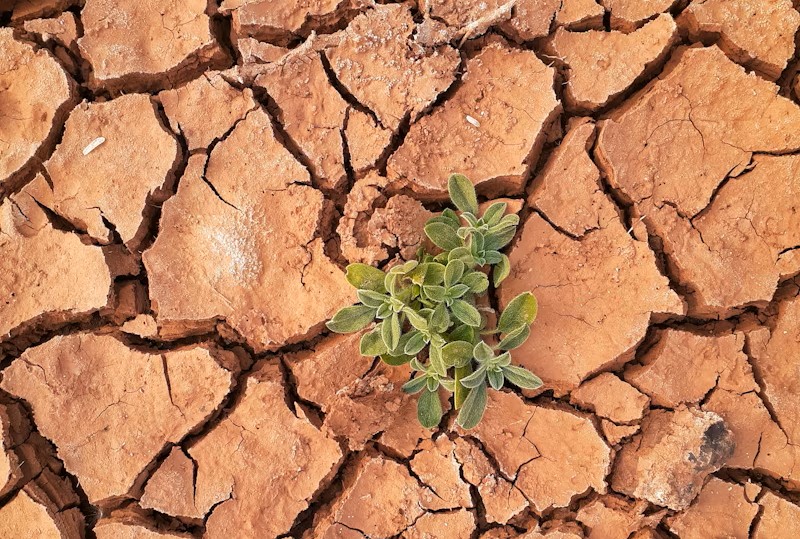

Humate, particularly in forms such as potassium humate, serves as a natural soil conditioner and biostimulant widely recognized for its capacity to enhance drought resistance in agricultural crops. These substances, extracted mainly from leonardite—a naturally occurring, oxidized form of lignite—or comparable organic deposits, are rich in humic and fulvic acids. These compounds interact effectively with both soil matrices and plant physiological processes, enabling sustained growth and productivity even when water availability is restricted. Such conditions are increasingly prevalent in many agricultural regions due to erratic rainfall patterns, extended dry spells, and the broader impacts of climate variability.
Detailed Composition and Natural Sources
Humate comprises a heterogeneous group of complex organic molecules produced through prolonged microbial decomposition of plant and animal residues in anaerobic environments. In commercial contexts, extraction often targets leonardite deposits, which contain elevated levels of these bioactive compounds compared to typical soil humus. The primary active fractions include humic acid—larger polymeric molecules that predominantly improve soil physical and chemical properties—and fulvic acid—smaller, highly soluble molecules capable of direct penetration into plant tissues. Potassium humate, formed by neutralizing humic acid with potassium hydroxide, offers enhanced solubility and incorporates additional potassium, which supports osmotic regulation and nutrient transport under stress.
These materials exhibit high cation exchange capacity, abundant carboxyl and phenolic functional groups, and strong chelating properties, all of which contribute to their efficacy in drought-prone systems.
Comprehensive Mechanisms Supporting Drought Resistance
Humate mitigates drought effects through a series of interconnected soil and plant-level processes, as substantiated by numerous field trials and controlled experiments across diverse crops.
- Enhancement of Soil Structure and Water Retention — Humate facilitates the aggregation of soil particles into stable structures, thereby increasing porosity, infiltration rates, and overall water-holding capacity. This reduces surface evaporation and maintains moisture availability in the root zone during prolonged dry periods. In sandy or low-organic-matter soils—common in many arid and semi-arid areas—the binding effect is especially beneficial, often reducing irrigation requirements by 15–20% in documented cases.
- Stimulation of Root Architecture and Biomass — Applications promote extensive root development, including greater elongation, increased lateral branching, and higher root biomass. This expanded root system allows plants to access moisture and nutrients from deeper soil layers. Observations in maize, peanut, onion, and sorghum indicate improved root morphology under water-limited regimes, contributing to better exploration of soil profiles.
- Physiological and Biochemical Adjustments — Humate modulates stomatal conductance to curtail excessive transpiration while sustaining photosynthetic efficiency. Humate elevates accumulation of osmolytes such as proline, soluble sugars, betaine, and other compatible solutes, which preserve cellular turgor and protect against dehydration. Antioxidant systems are upregulated, with increased activity of enzymes including catalase, peroxidase, and superoxide dismutase, thereby mitigating oxidative damage from drought-induced reactive oxygen species. Chlorophyll content and photosynthetic rates are maintained or enhanced, supporting continued carbon assimilation.
- Improved Nutrient Solubility and Uptake — Acting as a natural chelator, humate increases the bioavailability of macro- and micronutrients (e.g., iron, zinc, manganese), countering limitations often exacerbated under low moisture. This sustains metabolic functions essential for stress recovery and biomass accumulation.
Empirical evidence from various species reinforces these pathways. In maize and sorghum, humic acid under drought elevates chlorophyll levels, photosynthetic performance, and yield components. Peanut trials combining potassium humate with cobalt demonstrate higher proline, relative water content, and seed yield under deficit irrigation. Comparable benefits appear in soybean, broccoli, wheat, and millet, where humate alleviates declines in biomass, grain output, and water-use efficiency.
Expanded Practical Application Guidelines
Optimal outcomes depend on crop requirements, soil characteristics, drought intensity, and product formulation. Standard methods include:
- Soil Incorporation or Fertigation — Typical rates for potassium humate range from 5–15 kg/ha (or up to 20–30 L/ha for liquid forms in some trials), applied at planting, during vegetative growth, or in split doses (2–3 applications per season). Higher rates (e.g., 100–150 kg/ha for granular formulations) have shown yield improvements of 15–25% in corn, wheat, and soybean under moderate drought.
- Foliar Sprays — Solutions at 1–3 g/L (or up to 3 g/L in specific studies), applied every 10–21 days during key phases (vegetative to reproductive), facilitate rapid absorption and stress alleviation. Foliar delivery often outperforms soil-only methods in severe drought, as evidenced in wheat and maize recovery trials.
- Seed Priming or Treatment — Dilute solutions (e.g., 1 g/L) for soaking promote early root vigor, establishment, and initial stress tolerance.
Combined approaches—such as seed dressing followed by soil or foliar applications—maximize benefits, though excessive rates (e.g., beyond 20–30 L/ha soil in some contexts) may yield diminishing returns or minor depressions in certain traits.
Field examples include significant bulb yield gains in onion under deficit irrigation when humate is paired with other amendments, and enhanced water productivity in cotton or peanut systems.
Broader Considerations and Recommendations
Humate offers a sustainable, environmentally compatible strategy for bolstering drought resistance, conserving irrigation water, and maintaining yield consistency amid climatic uncertainties. Its gradual contribution to soil organic matter and microbial activity supports long-term fertility improvements. Variability in response arises from factors such as product quality (e.g., humic acid content), environmental conditions, and precise timing; thus, initiating small-scale on-farm trials is prudent to refine rates and protocols. Collaboration with local agricultural extension services or research institutions is recommended to adapt applications to prevailing soil types, cropping patterns, and regional constraints or similar contexts.



Leave a Reply