
Blog
-
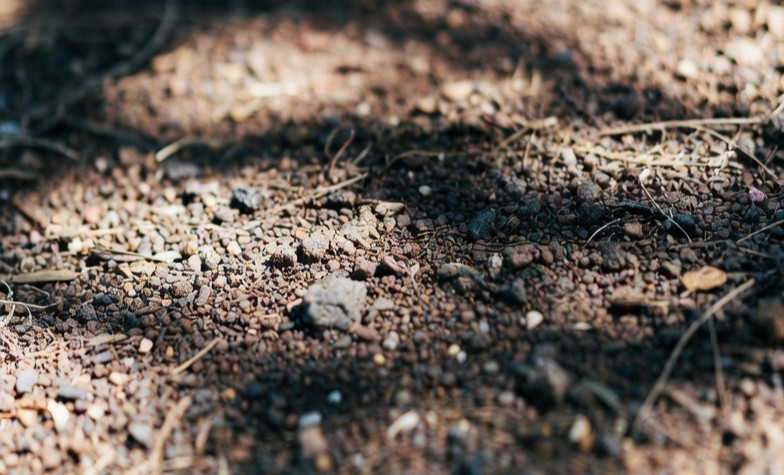
Humate used for soil
.
Humate refers to a group of naturally occurring organic compounds derived from the long-term decomposition of ancient plant and animal matter. These materials form over thousands to millions of…
-

Humate improves water retention
.
Humate, in the context of soil amendments and agriculture, generally means the soluble salt forms of humic substances—most often potassium humate, sometimes sodium humate or ammonium humate. These come…
-

Humate for plant growth
.
Humate refers to a class of naturally occurring organic compounds derived from the extensive decomposition of ancient plant, microbial, and animal residues over geological timescales. These materials form through…
-

Benefits of humate for soil
.
What is Humate? Humate refers to concentrated, commercially processed forms of humic substances—naturally occurring, complex organic macromolecules derived primarily from the partial decomposition of ancient plant and animal residues.…
-
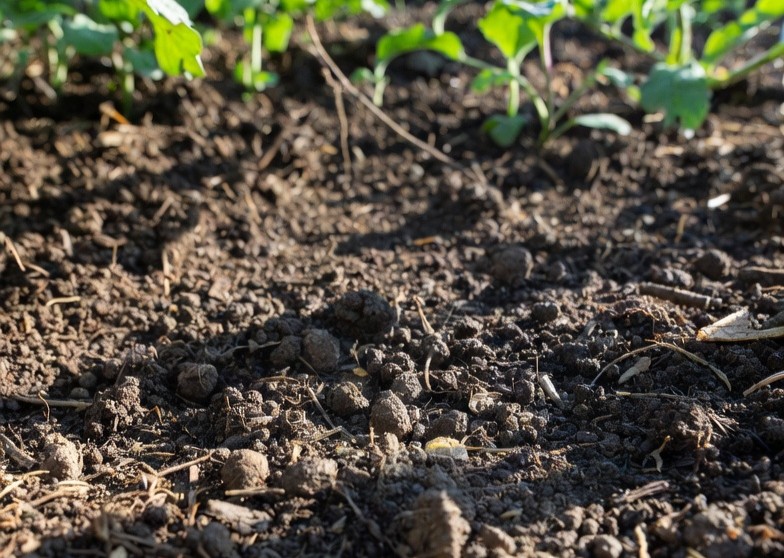
Humic substances
.
Humic substances are not a modern invention. They are simply what remains after decades, centuries, even millennia of plant material slowly breaking down under wet, oxygen-poor conditions—first into peat,…
-

Humate benefits
.
Humate, encompassing humic acid, fulvic acid, and related humic substances derived from ancient organic deposits such as leonardite and peat, represents a multifaceted natural resource with well-documented applications in…
-

Definition of Humate in Soil
.
Humate refers to naturally occurring, carbon-rich organic materials that originate from the extensive decomposition and geological preservation of ancient plant residues. These substances accumulate over geological periods, often spanning…
-

Humate vs Humic acid
.
Definitions Humic substances Humic substances are a complex group of high-molecular-weight organic compounds formed through prolonged microbial and chemical decomposition of plant and animal residues under anaerobic or semi-anaerobic…
-

What is humate used for?
.
Humate, derived from ancient organic deposits such as leonardite and brown coal, represents a class of natural compounds rich in humic and fulvic acids. These substances have long been…