
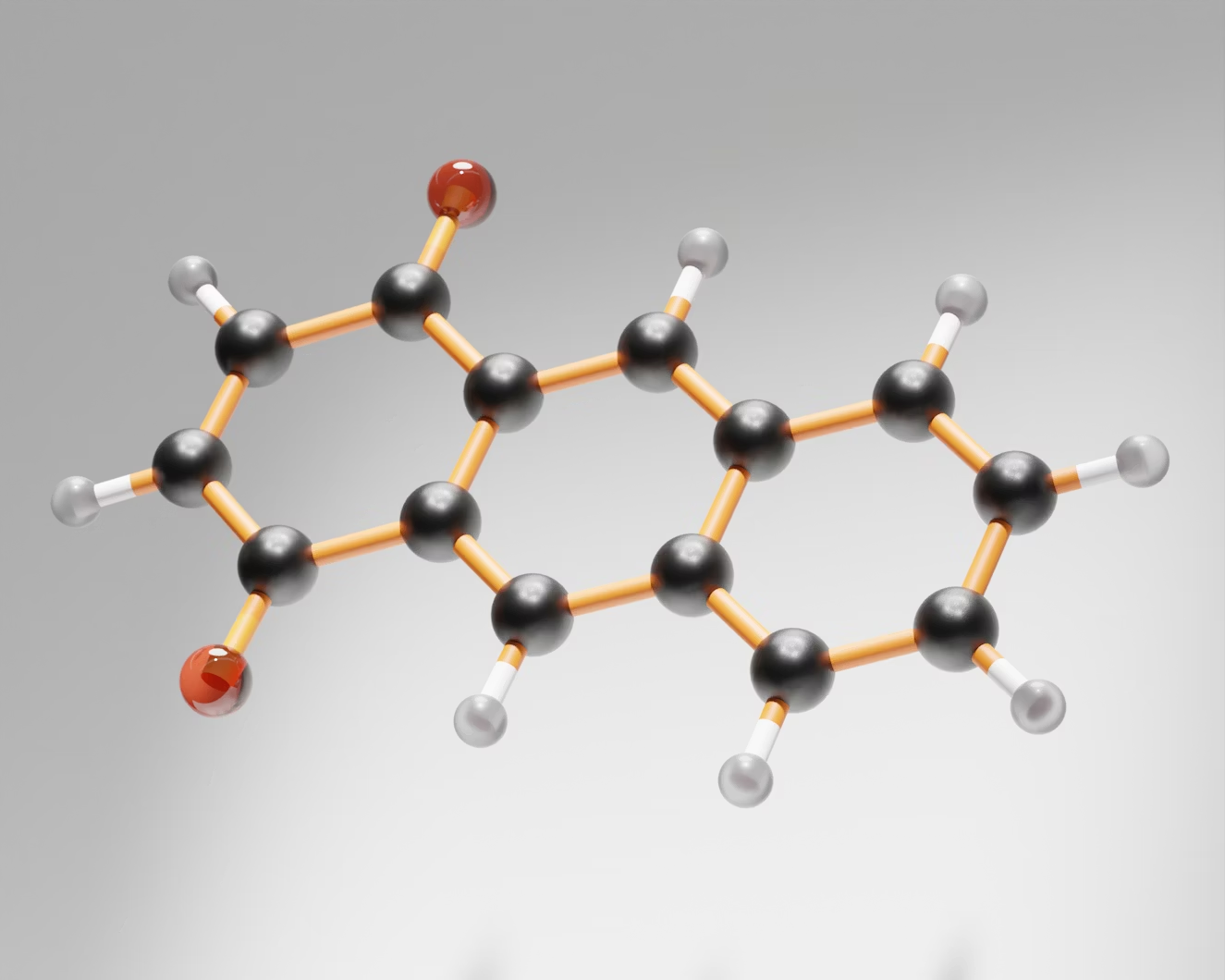

Fulvic acid is a natural organic compound that comes from humic substances in soil, peat, and ancient plant materials. It develops slowly through the breakdown of organic matter by microorganisms over many years. This process plays an important role in maintaining soil health and helping plants access nutrients. Fulvic acid stands out because of its small size, ability to dissolve easily in water at different pH levels, and many active chemical groups, such as carboxyl and hydroxyl. These features allow it to bind with minerals and make them easier for living organisms to use.
What Fulvic Acid Is Made Of and Its Key Properties
Fulvic acid does not have a single fixed formula because it forms naturally and varies slightly depending on its source. Fulvic acid generally includes aromatic rings connected by chains, along with many oxygen-rich groups. This setup gives it a negative charge and lets it act like a natural carrier for ions. Its small molecular weight—often less than 2,000 Daltons—sets it apart from larger humic acids, helping it move more easily into cells.
In nature, fulvic acid often carries more than 70 trace minerals in a form that is ready for use, plus amino acids and other plant-based compounds. These qualities make it effective at improving how nutrients, especially minerals, are taken up and used by plants, animals, and humans.
How Fulvic Acid Helps with Mineral Absorption
The main way fulvic acid improves mineral absorption is through a process called chelation. It wraps around metal ions to form stable complexes that stay soluble even in changing conditions, like the acid in the stomach or the more neutral environment in the intestines. This keeps minerals from clumping or becoming unavailable and helps them pass through cell walls more easily.
Research in agriculture shows clear benefits: fulvic acid helps plants take up key minerals such as iron, zinc, magnesium, calcium, and copper more effectively. Similar effects appear in human studies. By turning minerals into an ionic form, fulvic acid supports their movement across the gut lining into the bloodstream. Its small size also allows it to reach inside cells, aiding energy production and other functions.
For example, fulvic acid seems particularly helpful for iron uptake, which is important for making red blood cells and preventing low energy from anemia. It may also support better absorption of electrolytes and trace elements, which can be useful when modern diets or depleted soils lead to common shortages.
Some evidence suggests fulvic acid can influence the gut microbiome in positive ways, creating a better environment for nutrient uptake and reducing mild inflammation that might interfere with absorption.
Additional Potential Benefits
Fulvic acid offers several other areas of support based on available research and traditional use.
Antioxidant and Detoxification Support Fulvic acid acts as an antioxidant by helping to neutralize harmful free radicals and reduce oxidative stress. This may protect cells from damage and support overall cellular health. It also assists in detoxification by binding to heavy metals and toxins, making it easier for the body to remove them.
Anti-Inflammatory Effects Studies indicate that fulvic acid can help reduce inflammation, which is linked to many chronic conditions. This includes lowering markers of inflammation in various models.
Gut Health and Digestion Beyond absorption, fulvic acid may promote a balanced gut microbiome, support the intestinal lining, and aid digestion. This can contribute to fewer digestive issues and better overall gut comfort.
Brain and Cognitive Health Preliminary research suggests fulvic acid may protect brain function, including potential benefits for memory and conditions like Alzheimer’s disease by inhibiting certain protein aggregations.
Immune and Skin Support It shows promise in modulating immune responses and has been used topically for skin conditions like eczema, where it may reduce symptoms due to anti-inflammatory properties.
Energy and Vitality Through better nutrient use and reduced fatigue from improved mineral status, fulvic acid is traditionally linked to increased energy and recovery.
Other Areas Some studies explore roles in hormone balance (such as testosterone support from shilajit sources) and general vitality, though more human research is needed.
Natural Sources and How to Supplement
Fulvic acid is found in rich organic soils and traditional remedies. One well-known source is shilajit, a resin from high mountain regions that contains 15–20% fulvic acid along with many trace minerals. Shilajit has been part of Ayurvedic practices for centuries to support strength and nutrient use.
Today, supplements come in liquid, capsule, or powder forms, often concentrated and purified. Liquids are sometimes preferred because they may absorb more quickly. Choose products from trusted manufacturers with independent testing to confirm purity and low levels of contaminants like heavy metals.
What the Research Shows
Studies in farming reliably demonstrate that fulvic acid increases mineral levels in plants. In animal and lab research, it supports chelation, better nutrient delivery, antioxidant activity, and anti-inflammatory effects. Small human trials using shilajit (high in fulvic acid) have noted improvements in areas like energy, hormone balance, recovery, and skin conditions.
Reviews highlight potential for gut support, reduced inflammation, detoxification, and brain protection. However, large-scale human studies are still limited. Most evidence comes from traditional use, lab work, preclinical studies, and smaller trials. More research is needed to confirm the best amounts, long-term effects, and specific benefits across different populations.
Safety and Practical Use
When sourced carefully and used in reasonable amounts, fulvic acid is generally well-tolerated. Short-term studies show few issues, with occasional mild effects like temporary stomach upset, headache, or throat irritation that usually resolve quickly.
There is no official standard dose, but common suggestions range from 100–500 mg of fulvic acid content per day, often split into smaller servings. Starting low and adjusting gradually is advisable.
Certain groups should be cautious: there is not enough information for safe use during pregnancy, breastfeeding, or in young children. People with autoimmune conditions or those taking medications (especially for thyroid or immune function) should speak with a healthcare provider first, as fulvic acid may influence immune or mineral balance. Poor-quality products could contain unwanted substances, so quality matters.
Final Thoughts
Fulvic acid provides a natural way to support better mineral absorption through its ability to bind and transport nutrients effectively. Combined with possible benefits for energy, gut comfort, cellular protection, inflammation reduction, detoxification, and brain health, it addresses some challenges from modern nutrient-poor foods and soils. While traditional experience and early studies are encouraging, results can vary, and it works best alongside a balanced diet and healthy habits. Consulting a professional ensures it fits individual needs safely. With careful use from reliable sources, fulvic acid can be a helpful addition for those seeking to optimize everyday nutrient utilization and overall well-being.




Leave a Reply