

Fulvic acid is a naturally occurring compound that forms as part of the decomposition process of organic matter in soil. It belongs to a group of substances known as humic acids, which develop over time through microbial activity on plant and animal residues. This compound is water-soluble and plays a role in soil health by helping plants absorb minerals. In the context of human nutrition, fulvic acid is present in trace amounts in certain foods, particularly those grown in soils rich in organic material. However, due to contemporary agricultural practices that often deplete soil nutrients, the levels in modern produce can be lower than in the past.
The amount of fulvic acid in food varies significantly depending on growing conditions. Soils enriched with compost or those undisturbed by intensive farming tend to yield produce with higher traces. Choosing organically grown items, where possible, may increase exposure, as these often come from healthier soils. While fulvic acid is not a primary nutrient like vitamins or minerals, incorporating foods that naturally contain it can contribute to a varied diet.
Root Vegetables as Primary Sources
Root vegetables are frequently highlighted as containing fulvic acid because their edible parts grow directly in the soil, allowing direct contact with humic substances.
- Beets: These are commonly noted for their potential fulvic acid content, along with other beneficial compounds like nitrates.
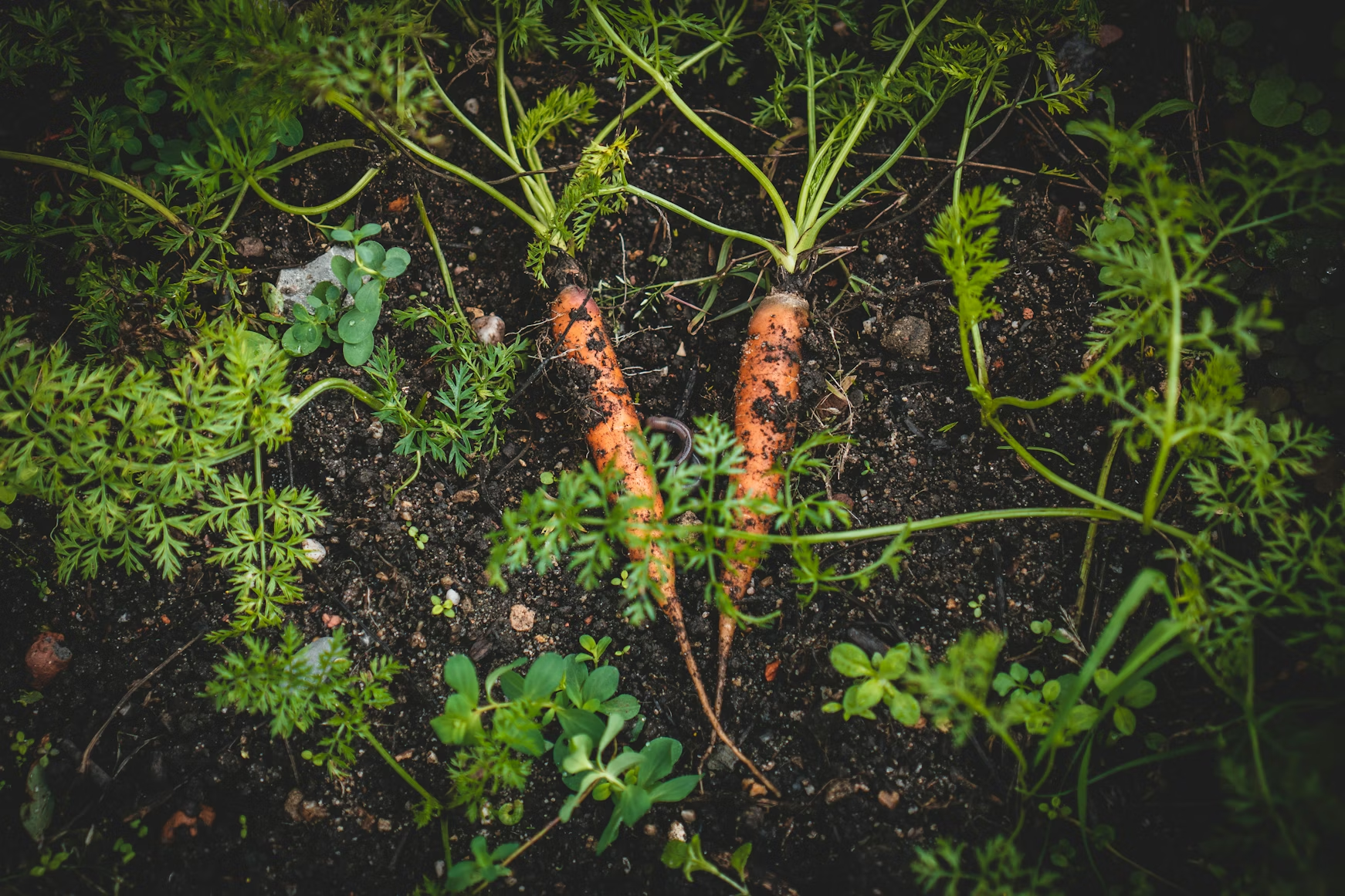
- Carrots: Grown underground, carrots can absorb trace amounts from the surrounding soil.
- Radishes: Similar to other roots, radishes draw from soil humus.
- Potatoes: As a staple root crop, potatoes grown in organic conditions may retain more of these natural compounds.
- Turnips and Parsnips: These less common roots follow the same pattern, potentially offering similar traces.
Including a variety of these in meals, such as roasted or in soups, provides a practical way to incorporate them regularly.
Leafy Greens and Other Vegetables
Leafy greens and certain above-ground vegetables also draw nutrients from the soil through their roots.
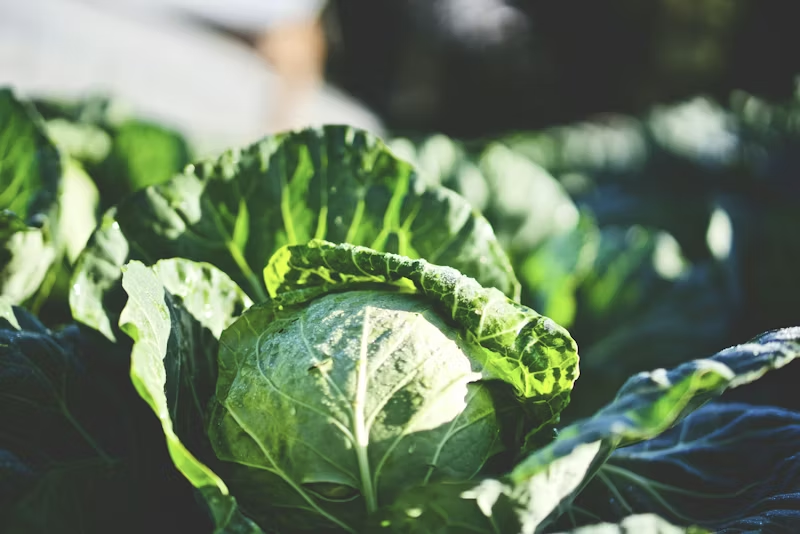
- Spinach and Kale: These greens are often mentioned in discussions of natural sources, especially when organically farmed.
- Arugula and Swiss Chard: Additional options in the leafy category that may contain traces.
- Broccoli: As a vegetable that benefits from nutrient-rich soil, it can contribute.
- Sprouts, such as alfalfa or clover: These are sometimes noted for higher concentrations due to their rapid growth in controlled environments.
Salads, stir-fries, or steamed preparations allow for easy inclusion of these vegetables.
Sea Vegetables and Marine Sources
Certain foods from the ocean accumulate humic-like substances.
- Seaweed, Kelp, and Nori: These absorb compounds from seawater, which can include fulvic acid derivatives.
Adding these to soups, salads, or as snacks expands dietary variety.
Fruits and Other Plant-Based Foods
While less concentrated than roots, some fruits may contain minor amounts.
- Berries and Tomatoes: Grown in enriched soils, these can offer traces.
- Nuts and Seeds, including almonds, walnuts, flaxseeds, and sesame seeds: Occasionally referenced as contributing sources.
Additional Natural Options
- Blackstrap Molasses: Derived from sugarcane processing, this byproduct from soils containing humic matter is a concentrated sweet option that can be used in cooking or baking.
- Fermented Foods: Items like kimchi involve microbial processes similar to those creating fulvic acid in soil, potentially yielding small amounts.
The Role of Shilajit as a Concentrated Source
Shilajit is a resin-like substance found in mountainous regions, such as the Himalayas, formed over centuries from decomposed plant material. It is notably rich in humic substances, including a substantial portion of fulvic acid, often ranging from 15% to over 80% depending on purity and origin. Traditionally used in certain herbal practices, small amounts can be dissolved in water or other liquids. When sourced responsibly, it serves as one of the most direct natural concentrations available.
Practical Considerations for Dietary Inclusion
To maximize potential intake from food:
- Prioritize organic or regeneratively farmed produce to support soil health.
- Diversify meals with a mix of roots, greens, and other items listed.
- Consider home gardening with compost to enrich soil naturally.
- Combine with a balanced diet for overall nutrient support.
The levels in everyday foods are generally low and variable, influenced by soil quality and farming methods. For those interested in higher or more consistent amounts, purified natural sources like shilajit may be an alternative, though individual needs vary. Consulting reliable references on nutrition can provide further guidance tailored to specific circumstances.
In essence, focusing on whole, soil-grown foods offers a straightforward approach to including natural traces of fulvic acid, aligning with broader principles of varied and mindful eating.


Leave a Reply