
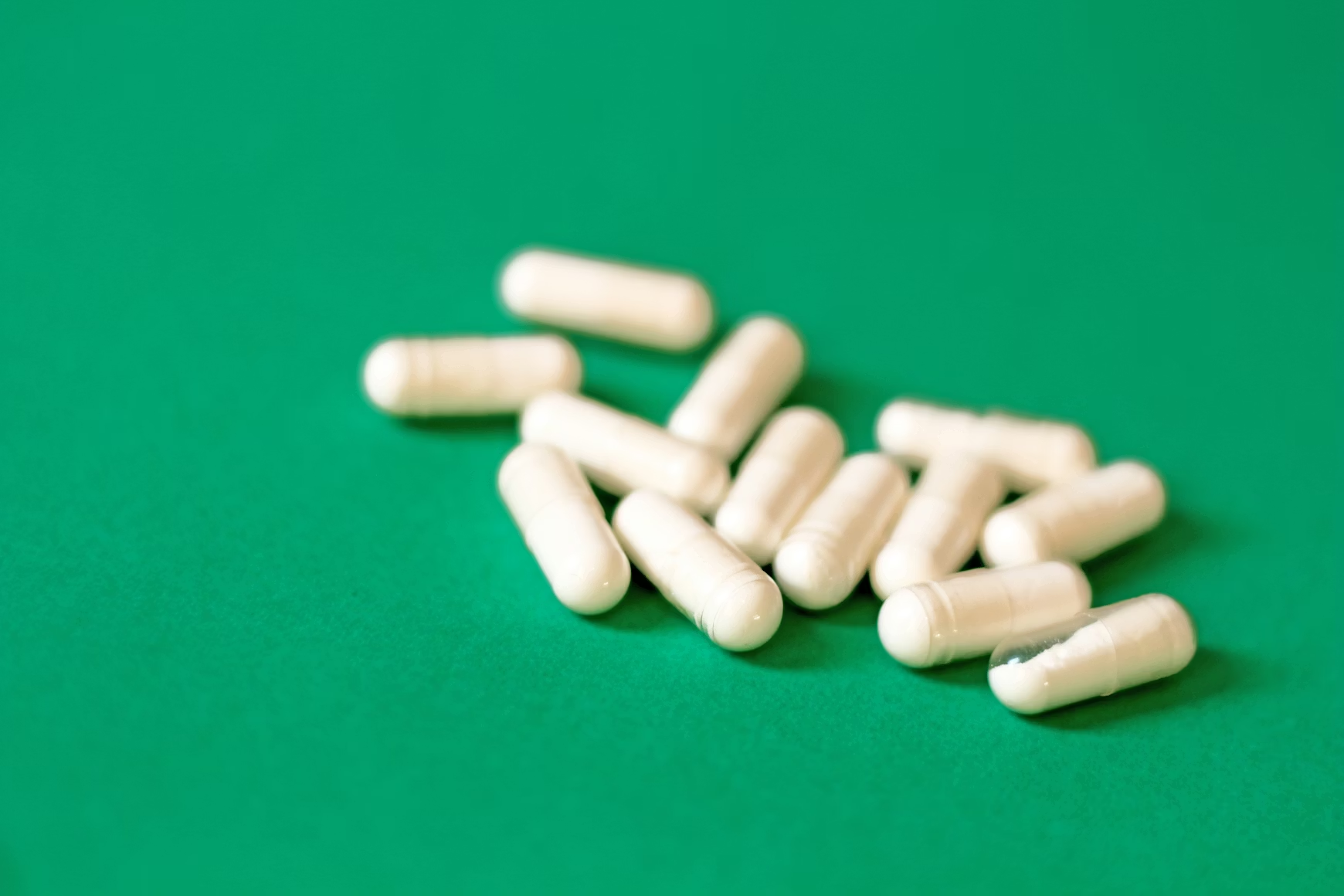

Fulvic acid supplements have become increasingly popular in the natural health and wellness community. These products are derived from fulvic acid, a naturally occurring organic compound that forms during the long-term decomposition of plant and animal materials in soils, peat deposits, and certain mineral-rich sources. Fulvic acid is part of the broader group of humic substances, but it stands out due to its smaller molecular size, high content of oxygen-containing functional groups, and complete solubility in water regardless of pH level. These characteristics allow it to interact effectively with minerals and biological systems.
Common sources for commercial fulvic acid include leonardite (a highly oxidized form of lignite), peat, and shilajit—a traditional resin-like substance from mountainous regions, particularly the Himalayas, that has been used in Ayurvedic practices for centuries. Shilajit naturally contains a significant proportion of fulvic acid, often ranging from 15% to 60%, along with various trace minerals. Supplements are available in several forms: liquid concentrates (usually in dropper bottles), capsules, tablets, powders for mixing into drinks, and sometimes topical preparations.
The extraction and purification processes aim to isolate fulvic acid while removing potential contaminants. High-quality products undergo thorough testing to ensure low levels of heavy metals and other impurities.
Potential Benefits Associated with Fulvic Acid Supplements
Advocates of fulvic acid supplements point to several possible advantages, many of which stem from its ability to form complexes with minerals and facilitate their movement across cell membranes.
One of the most commonly discussed benefits is improved mineral absorption. Fulvic acid can bind to essential trace elements such as iron, zinc, magnesium, copper, manganese, and selenium. This binding may help transport these minerals more effectively through the digestive tract and into cells, potentially addressing mild deficiencies that arise from modern dietary patterns or soil depletion.
Some users and preliminary studies suggest support for antioxidant activity. Fulvic acid may help neutralize free radicals and reduce oxidative stress in the body, which plays a role in aging and various health concerns. Limited research, mostly in animal models or laboratory settings, indicates possible anti-inflammatory effects by modulating certain pathways.
Gut health is another area of interest. Fulvic acid might provide a source of carbon for beneficial bacteria in the intestines, contributing to microbiome balance. Some individuals report improvements in digestion, reduced bloating, or more regular bowel movements after consistent use.
Energy levels and overall vitality are frequently mentioned in user experiences. Traditional applications of shilajit, rich in fulvic acid, associate it with reduced fatigue and better physical performance. Small-scale studies have explored potential support for mitochondrial function—the energy-producing structures in cells—which could explain feelings of increased stamina.
For skin health, topical fulvic acid products or oral supplements are sometimes used. A few clinical trials have examined carbohydrate-derived fulvic acid for conditions like eczema or allergic skin reactions, showing mild improvements in symptoms comparable to low-strength conventional treatments.
Other proposed benefits include gentle detoxification support, as fulvic acid may bind to heavy metals or toxins to aid their removal from the body. Immune system modulation, electrolyte balance, and cellular hydration are also areas where fulvic acid is thought to play a role, though evidence remains largely anecdotal or preliminary.
It is important to note that while traditional use and emerging research are encouraging, large-scale, high-quality human clinical trials are still limited for many of these effects. Claims related to cognitive enhancement, chronic disease management, allergy relief, or hormonal balance lack robust scientific backing at present.
Current State of Scientific Research
Research on fulvic acid supplements is growing but remains in early stages. Most available studies involve animal models, cell cultures, or small human trials. For example, some investigations into shilajit have shown potential benefits for testosterone levels, physical performance, or altitude-related fatigue in limited participant groups.
Topical applications have received slightly more attention, with a few studies demonstrating anti-inflammatory properties on skin. Oral safety assessments generally indicate good tolerability at moderate doses over several weeks or months.
Toxicology evaluations suggest low risk of genetic damage or serious adverse effects when using purified forms. However, major health authorities and regulatory bodies have not established official guidelines or approved specific health claims due to insufficient evidence from randomized controlled trials.
Ongoing research aims to standardize extracts and conduct larger studies to better understand bioavailability, optimal dosing, and long-term effects.
Safety Profile and Possible Side Effects
When sourced from reputable manufacturers and properly purified, fulvic acid supplements appear generally safe for short- to medium-term use in healthy adults. Reported side effects are uncommon and usually mild, such as temporary digestive upset, loose stools, headache, or a sore throat. These often resolve as the body adjusts or with dose reduction.
The primary safety concern relates to product quality. Lower-grade or minimally processed sources may retain heavy metals (lead, arsenic, mercury), aluminum, or microbial contaminants from the original deposit. Long-term exposure to these impurities could pose risks.
Individuals with autoimmune disorders should proceed cautiously, as fulvic acid may influence immune activity in certain contexts. Potential interactions exist with medications that affect mineral absorption, blood clotting, or immune suppression, though documented cases are rare.
Due to limited safety data, pregnant or breastfeeding women, children, and those with compromised immune systems or serious medical conditions should avoid fulvic acid supplements unless directed by a healthcare professional.
Practical Dosage and Usage Guidelines
No universally established daily intake exists for fulvic acid, as it is classified as a dietary supplement rather than an essential nutrient.
Typical manufacturer recommendations range from 200-500 mg of purified fulvic acid per day, or equivalent amounts in liquid form (often 10-30 drops diluted in water or juice). Products based on shilajit usually suggest 250-500 mg daily of standardized extract.
Starting with the lowest suggested dose and gradually increasing allows monitoring for individual tolerance. Taking supplements with food may minimize any stomach discomfort. Many users follow cycles of 8-12 weeks followed by breaks, aligning with common study durations.
Consistency matters more than timing—morning or evening use depends on personal preference.
Tips for Choosing and Using Fulvic Acid Supplements
Quality varies significantly across brands, making careful selection essential. Look for products that provide third-party testing certificates verifying purity, heavy metal content below detectable limits, and accurate fulvic acid concentration.
Prefer extracts clearly labeled with source material and processing method. Standardized shilajit or purified mineral complexes tend to offer more reliable composition.
Avoid raw or unprocessed forms marketed as “natural” without purification details. Transparent labeling, including batch testing results, indicates higher manufacturing standards.
Store supplements in a cool, dark place to maintain stability. Once opened, liquid forms may require refrigeration.
Always consult a qualified healthcare provider before beginning supplementation, especially if taking medications or managing health conditions. They can help assess suitability and monitor for interactions.
Final Considerations
Fulvic acid supplements represent an intriguing option rooted in traditional wellness practices and emerging scientific interest. Their potential to support mineral nutrition, cellular health, and overall vitality appeals to those seeking natural approaches. However, expectations should remain realistic given the current evidence base.
When chosen carefully from reputable sources and used responsibly, fulvic acid supplements may complement a balanced diet and healthy lifestyle. As research progresses, clearer guidance on efficacy, optimal applications, and long-term safety will likely emerge. For now, informed personal choice, combined with professional advice, provides the best foundation for incorporating these products into daily routines.




Leave a Reply