
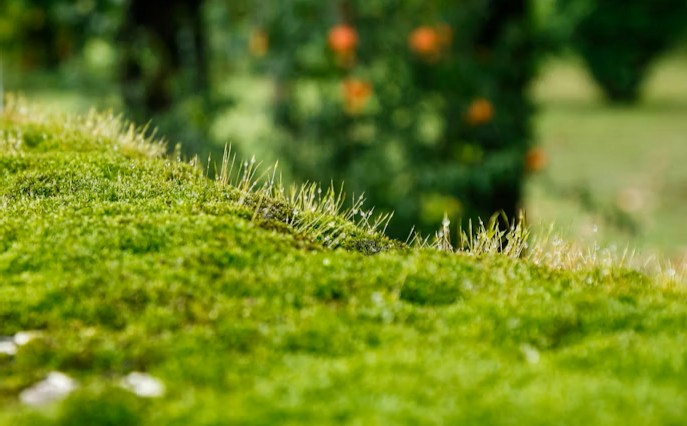

Humates, encompassing humic acid, fulvic acid, and related humic substances, constitute a class of naturally occurring organic compounds formed through the long-term decomposition of plant and animal residues. These materials, frequently extracted from sources such as leonardite or lignite deposits, function as soil conditioners rather than conventional fertilizers. Their incorporation into lawn management practices enhances soil physical, chemical, and biological properties, thereby supporting sustained turfgrass health and performance.
In regions characterized by consistently high temperatures and elevated humidity—turfgrasses often experience prolonged heat stress, increased disease pressure from fungal pathogens, and challenges related to nutrient leaching in frequently irrigated or rainfall-heavy conditions. Humates prove particularly advantageous in such environments by improving soil water-holding capacity, facilitating deeper root development, mitigating abiotic stress, and enhancing nutrient retention and microbial activity.
Detailed Mechanisms of Action in Tropical and Subtropical Lawns
Humic substances exert multiple effects on soil and turf:
- Soil Structure Improvement: Humic acids promote aggregation of soil particles, thereby reducing compaction common in urban or frequently trafficked lawns. This enhances porosity, aeration, and root penetration, which is critical in clay-dominated or lateritic soils prevalent in many tropical areas.
- Water Relations: By increasing cation exchange capacity and organic colloid content, humates improve moisture retention without inducing waterlogging, aiding turf resilience during dry intervals between heavy rains or irrigation cycles.
- Nutrient Dynamics: Humates chelate micronutrients (e.g., iron, zinc, manganese) and reduce phosphorus fixation, minimizing losses through leaching in high-rainfall periods. They also enhance fertilizer use efficiency when applied in conjunction with NPK inputs.
- Stress Mitigation: Enhanced root mass and microbial populations bolster tolerance to heat, drought spells, and salinity buildup from irrigation water, while supporting recovery from fungal diseases exacerbated by humidity.
- Microbial Stimulation: Humates serve as a carbon source for beneficial soil organisms, accelerating nutrient cycling and suppressing certain pathogenic activity over time.
These benefits typically manifest gradually, with noticeable improvements in turf density, color uniformity, and stress recovery often requiring consistent applications across one to two growing seasons.
Product Forms and Selection Considerations
Humate products are available in granular and liquid formulations, each offering distinct application advantages:
- Granular Humates: Typically contain 50–80% humic substances. They provide sustained release and higher active ingredient delivery per application. Suitable for broad-area coverage and long-term soil building.
- Liquid Humates: Concentrates ranging from 6–15% humic/fulvic acid (or higher in premium formulations). They enable rapid soil contact, foliar uptake of fulvic components, and convenient integration with existing spray schedules.
In tropical climates, select products with verified humic acid content and low heavy metal profiles, as mined sources may vary in quality. Soluble potassium humate or blended humic-fulvic products often perform well under frequent moisture conditions.
Application Timing Adapted to Tropical Conditions
Given the year-round or extended growing season, applications should align with periods of active turf growth and avoid peak monsoon intensity when excessive water may dilute efficacy:
- Primary Windows:
- Early dry season transition (approximately February–April): To build root reserves before intense heat.
- Mid-growing season (May–August): To counteract heat and humidity stress; apply during cooler morning hours.
- Post-monsoon recovery (September–November): To support root regeneration and microbial rebound.
- Secondary Opportunities: Immediately following core aeration, overseeding, or visible stress symptoms (e.g., wilting despite irrigation, yellowing, or thinning).
Avoid midday applications during extreme heat (>35°C) to minimize evaporation losses, particularly with liquid forms.
Precise Application Protocols
Granular Humates
- Rate Selection:
- Maintenance on established lawns: 10–20 grams per square meter (approximately 1–2 kg per 100 m² or 2–4 lbs per 1,000 ft²).
- Initial/build-up phase or compacted soils: 20–40 grams per square meter (2–4 kg per 100 m²).
- Severe conditions: Up to 50–70 grams per square meter in targeted zones, followed by reduced follow-up rates.
- Method:
- Calibrate a broadcast spreader to ensure uniform distribution.
- Apply in two perpendicular passes to minimize striping.
- Irrigate immediately with 5–10 mm of water to incorporate material into the topsoil profile.
- Frequency: 3–4 applications per year initially, reducing to 2–3 as soil organic matter improves.
Liquid Humates
- Rate Selection:
- Standard concentrate (8–12% humic acid): 150–300 ml per 100 m² (diluted in 10–20 liters of water per 100 m² for coverage).
- Higher-concentration products: Adjust proportionally (e.g., 6–12 oz per 1,000 ft² monthly in growing season).
- Aggressive programs: Up to 350–500 ml per 100 m² during stress periods.
- Method:
- Mix thoroughly in a sprayer tank; agitate continuously.
- Apply evenly using a coarse nozzle to reduce drift.
- Follow with light irrigation (3–5 mm) unless combined with fertigation.
- Frequency: Monthly during active growth (4–8 applications annually), or bi-monthly for maintenance.
Integrated Management Strategy
- Combination with Other Inputs: Apply humates concurrently with or immediately prior to balanced fertilizers to maximize uptake. In high-rainfall areas, pair with slow-release nitrogen sources to counter leaching.
- Monitoring Progress: Assess improvements through visual turf quality, rooting depth (via core samples), soil moisture probe readings, and reduced irrigation frequency. Soil organic matter tests every 12–24 months provide objective confirmation.
- Long-Term Expectations: Initial applications yield modest visible changes within weeks to months (e.g., darker green color, better wear tolerance). Cumulative effects—deeper roots, improved resilience—become evident after 12–24 months of consistent use.
Precautions Specific to Humid Tropical Environments
- Prevent over-application in poorly drained areas to avoid anaerobic conditions.
- Store products in shaded, dry locations to preserve potency.
- Integrate humates within a holistic program including proper mowing height (typically 3–5 cm for warm-season grasses), infrequent but deep irrigation, and periodic aeration.
- Consult local extension resources or soil testing services for region-specific adjustments.
Through systematic and appropriately timed applications, humates contribute meaningfully to developing a more robust, resource-efficient lawn suited to the demands of a hot, humid climate. This approach supports both aesthetic quality and ecological sustainability in lawn maintenance.
Conclusion
The application of humates to lawns constitutes a proven, adaptable practice for enhancing turfgrass performance on a global scale. By systematically addressing soil limitations—regardless of regional climate or soil type—humates foster sustainable outcomes: healthier root systems, optimized resource use, and durable turf that withstands environmental variability. Consistent, appropriately timed applications, integrated with established cultural practices, yield progressively superior results while supporting reduced reliance on intensive inputs. This approach aligns with modern principles of soil-centric management, offering both practical and ecological advantages for residential, commercial, and professional turf settings worldwide.
Ultimately, the adoption of humates offers a sustainable, low-risk approach to cultivating a durable, aesthetically pleasing lawn suited to the demands of a hot, humid tropical climate. By prioritizing soil biology and structure alongside conventional care routines, lawn managers can achieve progressively healthier turf that requires fewer corrective interventions and exhibits greater stability across seasonal variations. This methodical strategy not only enhances lawn quality but also aligns with principles of resource conservation and environmental stewardship in urban and peri-urban settings.

Leave a Reply