

What is Humic Acid?
Humic acid is a principal component of humic substances, which are complex organic compounds formed through the microbial decomposition of plant and animal residues over extended periods. It is defined as the fraction of humic matter that is soluble in alkaline solutions but insoluble (precipitates) in acidic conditions (typically at pH 1-2).
Chemically, humic acid consists of large, heterogeneous macromolecules with high molecular weights ranging from several thousand to hundreds of thousands of Daltons. Its composition typically includes carbon (50-60%), oxygen (30-45%), hydrogen (3-5%), nitrogen (0.7-5%), and trace amounts of sulfur and phosphorus. Key functional groups, such as carboxylic (-COOH) and phenolic (-OH) moieties, confer its acidic properties and enable interactions with metal ions and soil particles.
Primary commercial sources include leonardite (oxidized lignite, often containing 70-80% humic content), peat, lignite, and soil organic matter. Leonardite-derived humic acid is valued for its high bioactivity due to prolonged natural oxidation.
How to Use Humic Acid in the Garden
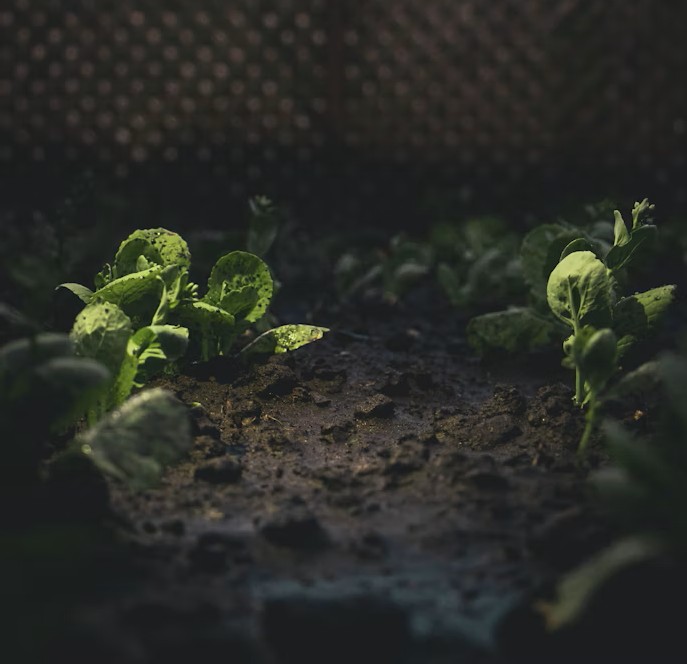
Humic acid is a natural substance that comes from the slow breakdown of plant and animal materials over thousands of years. It is often taken from deposits like leonardite, a type of oxidized coal rich in organic matter. Many gardeners use humic acid because humic acid helps make soil healthier, improves how plants take up nutrients, holds moisture better, and encourages strong root growth. It works especially well in gardens with tired or poor soil, such as old vegetable patches, flower beds, container plants, or lawns. Unlike chemical fertilizers that give a quick boost, humic acid works gradually to build better soil over time.
Different Forms of Humic Acid You Can Buy
Humic acid comes in several easy-to-use forms, so you can choose what fits your garden best:
- Liquid forms: These are either ready-to-use bottles or concentrates that you mix with water. They are popular because they absorb quickly into the soil or leaves. Many gardeners like them for watering plants or spraying on leaves.
- Soluble powder: A fine, dry powder that dissolves completely in water. It is inexpensive for covering larger areas and gives you control over how strong you make the solution.
- Granular or coarse powder: Larger particles that you spread directly on the soil. They release benefits slowly over months, making them good for long-term soil improvement.
- Pellets or tablets: Sometimes available for convenience, especially for potted plants or small areas.
When buying, look for products that clearly state the percentage of humic acid (higher is usually better, 60-80% is common for good quality). Choose reputable brands to avoid low-quality fillers.
Step-by-Step Ways to Apply Humic Acid
There are several simple methods to add humic acid to your garden. You can use one or combine a few depending on your plants and season.
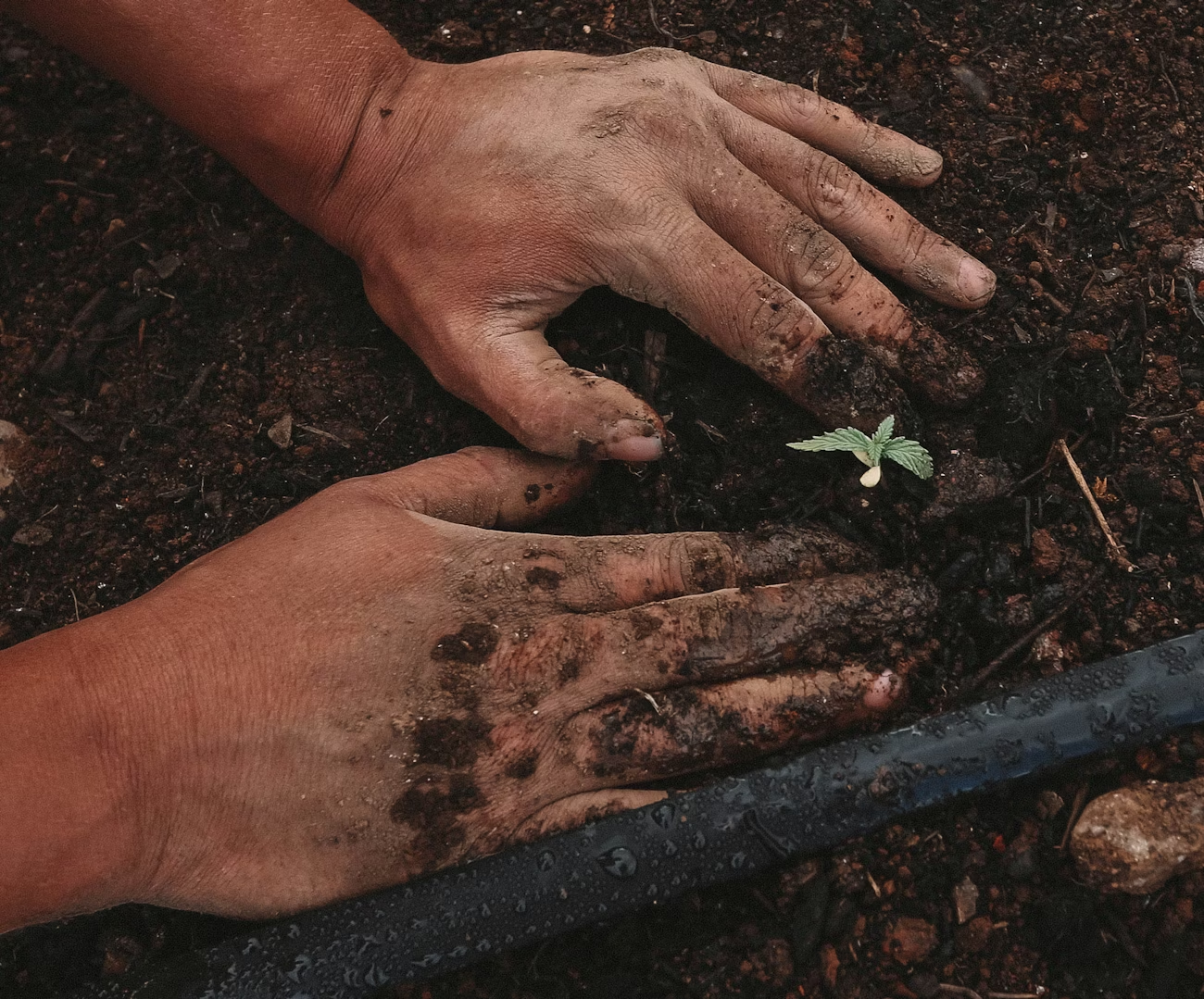
- Mixing into the Soil Before Planting This is one of the best ways for new beds or when starting a season.
- Spread granular humic acid over the area at about 1–3 pounds per 100 square feet (roughly a small handful per square yard).
- Rake or dig it into the top 4–8 inches of soil.
- Add compost or other organic matter at the same time for even better results. This method improves soil structure from the beginning and helps roots establish quickly.
- Soil Drench (Pouring Around Plants) Great for established plants, vegetables, roses, or fruit trees.
- Mix liquid concentrate or soluble powder in water. A common rate is 1–2 tablespoons of concentrate per gallon of water (or follow the label).
- Pour the solution slowly around the base of each plant, enough to wet the root zone (about 1–2 gallons for larger plants).
- Do this every 4–8 weeks during spring and summer. It is especially helpful during dry periods or when plants show signs of nutrient stress.
- Foliar Spray (Spraying on Leaves) Plants can absorb humic acid directly through leaves for a faster response.
- Use a weaker mix: 1 tablespoon of concentrate per gallon of water.
- Fill a spray bottle or garden sprayer and coat both sides of the leaves evenly.
- Apply early in the morning or late in the evening to avoid sunburn on leaves.
- Repeat every 2–4 weeks, especially for tomatoes, peppers, leafy greens, or flowering plants. Many gardeners notice greener leaves and better flowering after a few applications.
- Seed Soaking or Seedling Treatment Give young plants a head start.
- Soak seeds overnight in a mild solution (½–1 teaspoon per gallon of water).
- Or dip seedling roots in the solution before transplanting. This often leads to faster germination and stronger early growth.
- Adding to Compost or Compost Tea Mix humic acid into your compost pile or brew it into compost tea for an extra boost.
- Add a few handfuls of granular form to the pile, or include liquid when making tea. The combination creates a powerful natural fertilizer.
- Top-Dressing Around Existing Plants For trees, shrubs, or perennials:
- Sprinkle granular humic acid around the drip line (where rain falls off the branches).
- Lightly rake it in and water well.
- Do this once or twice a year.
General Dosage Guidelines for Home Gardens
Always check the product label first, as strength varies between brands. Here are safe starting points:
- Vegetable gardens and flower beds: 1–2 pounds granular per 100 square feet, or 1–2 tablespoons liquid concentrate per gallon for drenching.
- Potted plants and containers: 1 teaspoon to 1 tablespoon per gallon of water, used when watering every 6–8 weeks.
- Lawns: 2–5 pounds per 1,000 square feet of granular form, applied in spring and fall.
- Fruit trees and large shrubs: ½–1 cup granular around the base, or 4–8 ounces of liquid concentrate in 5 gallons of water.
Start with the lower amount and watch how plants respond. It is hard to over-apply humic acid, but using too much is wasteful.
Best Timing and How Often to Apply
- Spring: Before planting or as soon as growth starts – prepares the soil for the season.
- Early summer: During active growth to support leaves and flowers.
- Mid-to-late summer: Helps plants handle heat and drought stress.
- Fall: One final application to build soil for next year (especially granular forms).
Most gardens benefit from applications every 4–8 weeks during the growing season. In cooler climates or winter, reduce or stop until spring.
Helpful Tips for Better Results
- Do a simple soil test (kits are inexpensive) to understand your starting point.
- Combine humic acid with organic fertilizers, compost, or worm castings – it makes them work better.
- Water the garden well after applying granular types so they begin breaking down.
- Humic acid works in all soil types but shows the biggest improvement in sandy, clay, or worn-out soils.
- Store products in a cool, dry place away from direct sun.
- Keep records of what you use and when, so you can see improvements over seasons.
Things to Watch Out For
- Humic acid is very safe and non-toxic, but always wear gloves and avoid inhaling dry powder.
- Do not expect instant miracles – benefits build over weeks and months.
- It improves nutrient uptake but does not replace actual fertilizers if your soil lacks major nutrients.
- In very acidic soils (pH below 5.5), fulvic acid (a related product) sometimes works better.
- Avoid spraying leaves in hot midday sun to prevent scorch.
- Choose products labeled safe for edible crops if growing food.
Price of Humic Acid in Various Countries
Prices for agricultural-grade humic acid vary by purity, form, volume, and market conditions as of late 2025. Bulk wholesale prices (per ton) are approximate.
- China: $200-600 USD per ton.
- India: $300-800 USD per ton.
- USA: $800-1,500 USD per ton.
- Europe: $900-1,800 USD per ton.
- Vietnam and Southeast Asia: $400-900 USD per ton.
- Global Average: $500-1,200 USD per ton.
Final Thoughts
Using humic acid in your garden is a straightforward and rewarding practice that supports long-term soil health without relying heavily on synthetic chemicals. Whether you choose liquid for quick boosts, granular for lasting improvement, or a combination, regular moderate applications can lead to stronger roots, lusher plants, higher yields, and better resistance to stress. Over time, you will notice your soil becoming darker, crumblier, and more alive. With patience and consistent use, humic acid becomes a valuable part of any home gardener’s routine for growing healthier, more productive plants season after season.

Leave a Reply