
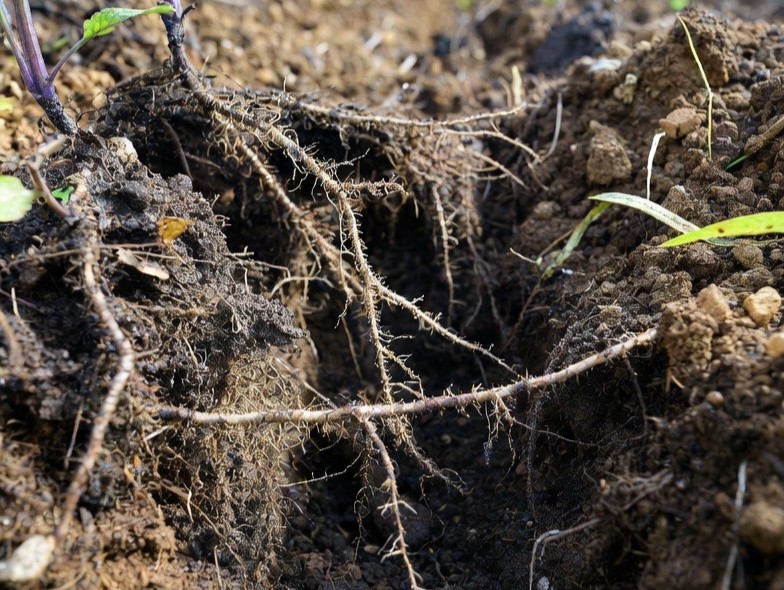

Humates serve as a practical and increasingly common fertilizer amendment in many farming systems worldwide, including regions with intensive cropping such as parts of Asia. Extracted mainly from ancient deposits like leonardite or similar weathered organic materials, humates deliver concentrated humic substances—chiefly humic acid, fulvic acid, and smaller amounts of humin. These materials have already undergone long natural decomposition, which sets them apart from fresh manures or composts that break down quickly.
Farmers turn to humates because they address several persistent field challenges: nutrient leaching in sandy or heavily irrigated soils, poor structure in compacted clay, low organic matter after years of conventional tillage, and variable responses to standard fertilizers during dry spells or high temperatures.
Understanding the Main Components
Humic acid forms the larger, darker fraction. It remains mostly insoluble at low pH but dissolves readily when the environment becomes alkaline, such as after mixing with potassium hydroxide to produce potassium humate. Fulvic acid, by contrast, stays soluble across almost any pH range and moves more freely through soil solution, reaching roots and even entering plant tissues more easily. Humin represents the most stable, insoluble portion that contributes to long-term carbon storage in the soil.
Commercial products usually list percentages of humic acid (often 50–85% in dry forms) and sometimes fulvic acid content. Soluble versions, such as potassium humate flakes or powders, dissolve in water for fertigation or foliar use, while granular forms suit direct soil broadcasting.
How Humates Actually Work in the Field
The effects appear through several interacting processes rather than a single dramatic mechanism.
First, humates raise the soil’s cation exchange capacity. Negatively charged sites on humic molecules hold onto cations like potassium (K⁺), ammonium (NH₄⁺), calcium (Ca²⁺), and magnesium (Mg²⁺). This retention keeps nutrients in the root zone longer, especially useful in high-rainfall areas or during frequent irrigation.
Second, humic and fulvic acids bind micronutrients—iron, zinc, manganese, copper—into stable chelate complexes. In calcareous or high-pH soils common in many tropical and subtropical regions, these micronutrients often become unavailable due to precipitation as insoluble compounds. The chelation keeps them in plant-available form.
Third, humates encourage better soil aggregation. Small clay particles and fine organic matter clump together more effectively, creating larger pores that improve water infiltration, reduce runoff, and allow roots to penetrate deeper. Farmers frequently notice less crusting after rain and easier tillage in humate-treated blocks compared with untreated adjacent fields.
Fourth, microbial populations respond positively. Humates supply a stable carbon source that supports bacteria and fungi involved in nutrient cycling. Increased activity often leads to greater release of phosphorus from fixed forms and improved nitrogen mineralization from organic residues.
Finally, plants themselves show physiological changes. Roots tend to branch more extensively, leaf chlorophyll content rises in many cases, and stomatal conductance improves under moderate stress. These responses translate into steadier growth during periods of water shortage or nutrient imbalance.
Observed Benefits from Practical Use
Field experience and replicated trials point to several consistent advantages.
Nutrient efficiency improves noticeably. Many growers report maintaining or slightly increasing yields while cutting nitrogen or phosphorus inputs by 15–25%, particularly when humates are combined with reduced-rate granular fertilizers. This reduction lowers costs and decreases the risk of over-fertilization that contributes to runoff.
Yield responses vary by crop, soil type, and season, but increases of 10–25% appear regularly in documented cases. For example, rice paddies treated with humic substances under water-saving irrigation have shown grain weight gains around 12–15%. In vegetable production—cucumbers in greenhouses or strawberries in open fields—marketable yields have risen by 18–30% in side-by-side comparisons, often accompanied by better fruit quality (higher sugar content measured as Brix). Maize and coffee growers in various tropical settings have recorded 15–20% higher output in seasons with irregular rainfall.
Soil health improves gradually but measurably over multiple seasons. Organic matter content rises slowly, aggregate stability strengthens, and water-holding capacity increases by several percentage points in the topsoil. In saline or sodic areas, humates help reduce sodium buildup and improve water penetration.
Plants cope better with stress. During drought periods, treated crops maintain turgor longer; in salty conditions, root sodium exclusion appears enhanced. Heavy metal uptake can decrease in contaminated soils when high rates of humic materials are applied, as the substances bind metals into less bioavailable forms.
Application Approaches and Realistic Rates
Practical use depends on the product form and cropping system.
- Granular or powdered humates → Broadcast and incorporated before planting or during land preparation at 150–500 kg/ha annually. Higher rates (1–3 t/ha) suit severely depleted soils needing a one-time boost.
- Soluble potassium humate → Applied via drip irrigation (fertigation) at 2–10 kg/ha per season, split into several applications. Foliar sprays use much lower rates, typically 0.5–2 kg/ha diluted in 300–600 L water.
- Seed treatment → Very low concentrations (0.1–0.5% solution) coat seeds to improve emergence and early vigor.
- Combination with fertilizers → Many farmers blend humates directly with NPK granules before spreading, improving nutrient release patterns.
In regions with smallholder systems, such as parts of Southeast Asia, rates often stay modest: 2–5 kg/ha for soil drench or fertigation on rice, maize, vegetables, and fruit trees. Higher-volume users in greenhouse vegetables or export-oriented fruit may apply 10–20 kg/ha across the season.
Timing matters. Early-season applications (at planting or first irrigation) promote root establishment. Split applications during vegetative and reproductive phases sustain benefits through critical growth stages.
Realistic Limitations and Cautions
Humates do not produce miracles on already fertile, high-organic-matter soils; responses remain modest there. Quality differs widely among suppliers—low-grade products with high ash content or contaminants deliver poor results. Always verify lab analysis for humic/fulvic content and absence of undesirable heavy metals.
Over-application rarely causes severe harm but can temporarily tie up micronutrients or slightly lower pH in sensitive systems. Cost-effectiveness improves when humates replace part of the fertilizer budget rather than add to it without adjustment.
Local trials remain the most reliable guide. Small-plot comparisons on the farm—treated versus untreated strips—quickly reveal whether the investment pays under specific soil, crop, and climate conditions.
Final Thoughts
Humates offer a straightforward, time-tested option for growers seeking to improve fertilizer performance, build soil resilience, and stabilize yields across variable seasons. Their integration requires no major change in equipment or management, yet the cumulative effects on nutrient dynamics, root health, and soil physical properties make them a worthwhile consideration in both conventional and reduced-input systems. Farmers who start with modest, well-timed applications and track results over one or two seasons often find humates become a regular part of their fertility program.




Leave a Reply