
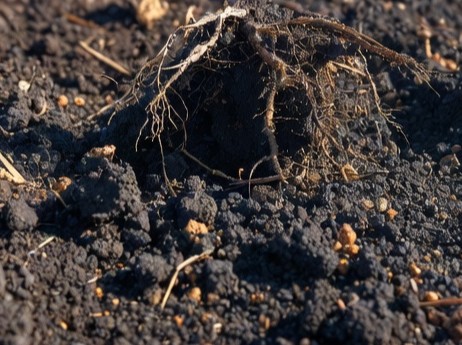

Humate soil conditioner, encompassing products rich in humic substances such as humic acid, fulvic acid, and their potassium salts (commonly termed potassium humate), has transitioned from a niche organic amendment to a globally recognized input in sustainable agriculture. Derived primarily from leonardite, lignite, or similar ancient organic deposits, humate enhances soil fertility, nutrient efficiency, and plant resilience across diverse cropping systems worldwide.
This extended examination addresses the global dimensions of humate usage, including market dynamics, regional variations in adoption, major production and supply patterns, application practices in key agricultural zones, documented benefits, and strategic considerations for integration into modern farming operations. Emphasis is placed on evidence-based advantages and practical implementation to support informed decision-making.
Soil Physical and Structural Improvements
Humate enhances soil structure through flocculation and aggregation of soil particles, particularly in clay-heavy or compacted soils. This process increases porosity, reduces bulk density, and improves aeration and drainage. Key outcomes include:
- Reduced soil compaction over time, facilitating deeper root penetration and better gas exchange.
- Increased water-holding capacity—often by several times the material’s weight—while maintaining permeability to prevent waterlogging.
- Greater resistance to erosion and crusting, especially valuable in rainfed or intensively tilled systems.
These changes create a more favorable rooting environment, promoting long-term soil stability and workability.
Nutrient Dynamics and Fertilizer Efficiency
Humic and fulvic acids exhibit strong chelating properties, binding macro- and micronutrients to prevent leaching, fixation, or immobilization. This leads to:
- Enhanced bioavailability of nutrients such as nitrogen, phosphorus, potassium, iron, zinc, and manganese, even in high-pH, calcareous, or saline soils.
- Reduced fertilizer requirements—commonly 10–30% less NPK input—while sustaining or increasing yields, as nutrients remain accessible longer.
- Improved cation exchange capacity (CEC), enabling soils to retain and release nutrients more effectively.
- Mitigation of nutrient runoff, contributing to lower environmental impact and reduced pollution risks.
Studies on crops like soybean, cotton, and cereals demonstrate measurable increases in nutrient uptake and recovery rates when humate is applied.
Plant Growth and Physiological Benefits
Humate directly influences plant metabolism and development through hormone-like activity (auxin stimulation) and enhanced cellular processes:
- Stronger, more extensive root systems, with reports of 20–30% increases in root dry matter in various crops, improving water and nutrient foraging.
- Elevated chlorophyll synthesis and photosynthetic efficiency, supporting vigorous vegetative growth and higher biomass accumulation.
- Increased stress tolerance to drought, salinity, extreme temperatures, heavy metals, and certain pathogens, via improved osmotic regulation, antioxidant enzyme activity (e.g., SOD, CAT, POD), and reduced oxidative damage indicators (e.g., MDA, H₂O₂).
- Better recovery from transplant shock, environmental extremes, or post-harvest stress in orchards and field crops.
These effects translate to healthier plants with greater resilience across diverse growing conditions.
Yield, Quality, and Economic Advantages
Consistent application yields tangible production gains:
- Higher marketable yields, often 10–25% increases in grains, fruits, vegetables, and fiber crops, depending on baseline soil conditions.
- Improved crop quality attributes, including larger fruit size, better color, enhanced flavor, elevated nutritional content, and superior fiber characteristics in cotton.
- Faster greening and denser turf in lawns and pastures, with reduced irrigation needs due to better moisture retention.
- Gradual buildup of soil organic matter (SOM), supporting sustained productivity over multiple seasons—some systems achieve 1% SOM increase in 3–5 years when combined with reduced tillage and cover cropping.
Economically, humate supports input cost savings through fertilizer optimization and contributes to regenerative practices aligned with carbon sequestration goals.
Biological and Environmental Contributions
Humate serves as a stable carbon source that stimulates beneficial soil microorganisms:
- Promotion of microbial diversity and activity, including bacteria, fungi, and mycorrhizae, which enhance nutrient cycling, organic matter decomposition, and natural disease suppression.
- Support for earthworm populations and overall soil biodiversity, leading to darker, more friable topsoil.
- Long-term carbon storage and reduced greenhouse gas emissions from improved nutrient management.
- Remediation potential in degraded, saline, sodic, or contaminated soils by buffering pH, binding excess salts or heavy metals, and restoring fertility.
These biological enhancements foster a balanced, self-regulating soil ecosystem.
Application Considerations for Maximum Benefit
Benefits are most pronounced in degraded or low-organic-matter soils, with gradual improvements accumulating over 2–4 seasons of regular use. Optimal results require:
- Integration with balanced fertilization, soil testing, and complementary practices (e.g., organic matter addition, crop rotation).
- Appropriate formulation (granular for soil incorporation, liquid for foliar/fertigation) and timing aligned with crop growth stages.
- Quality products with verified humic/fulvic content (≥60% humic substances) and low impurities.
While humate is safe, non-toxic, and compatible with organic systems, overuse may cause temporary imbalances in highly fertile soils.
Global Market Overview and Growth Trends
The humic substances sector, which includes humate-based soil conditioners, exhibits consistent expansion driven by the shift toward sustainable and organic farming practices. Recent analyses indicate that the global humic acid market was valued at approximately USD 712.8 million in 2024, with projections estimating growth to USD 1,410.2 million by 2033 at a compound annual growth rate (CAGR) of 7.9%. Related segments, such as potassium humate, reached USD 1.12 billion in 2024 and are forecasted to exceed USD 2.29 billion by 2033 at a CAGR of 8.4%. Broader humic-based biostimulants were valued at USD 686 million in 2022, advancing toward USD 1,184 million by 2027 at 11.5% CAGR.
These figures reflect increasing regulatory support for organic inputs, heightened awareness of chemical fertilizer limitations, and the need to address soil degradation amid rising global food demand. North America frequently holds a leading position in market share (often exceeding 40% in potassium humate segments), attributed to advanced agricultural infrastructure and emphasis on environmental stewardship. Europe follows closely, supported by stringent organic certification standards and subsidies for bio-based amendments.
Regional Variations in Adoption and Usage
Adoption patterns vary significantly by region, influenced by soil types, climate, crop priorities, and policy frameworks.
- Asia-Pacific — This region commands the largest share in many humate segments (often 35–45%), led by China and India. Extensive agricultural output, rapid modernization, and government promotion of eco-friendly inputs drive demand. In China, abundant leonardite resources support domestic production and export, with potassium humate widely incorporated into compound fertilizers and water-soluble formulations for rice, vegetables, and cash crops. India emphasizes humate in drought-prone and nutrient-depleted soils to enhance water retention and fertilizer efficiency in cereals, pulses, and horticulture.
- North America — Dominance stems from large-scale commercial farming, organic certification requirements, and focus on soil health restoration. Products are applied in broadacre crops (e.g., maize, soybeans), turf management, and high-value horticulture. Emphasis on precision agriculture integrates humate to reduce nutrient leaching and improve drought tolerance.
- Europe — Strong regulatory frameworks favoring organic and low-input systems propel usage. Humate supports soil remediation in intensively farmed areas and aligns with carbon sequestration goals. Key applications include vineyards, fruit orchards, and field crops, with liquid formulations favored for foliar and fertigation systems.
- Latin America and Other Regions — Emerging growth occurs in Brazil, Argentina, and parts of Africa, where humate addresses soil acidity, salinity, and erosion in soybean, coffee, and sugarcane production. Adoption remains lower due to awareness gaps and cost barriers but accelerates with export-oriented sustainable farming.
Major Production Sources and Supply Chain
Global production centers on leonardite-rich deposits, primarily in the United States (New Mexico formations), China, Germany, and select areas of Eastern Europe and Central Asia. High-quality products typically feature 60–85% humic acid content, with potassium humate variants providing 7–12% K₂O for added nutritional value.
Supply chains emphasize extraction via alkaline processes (using potassium hydroxide for soluble forms), yielding powder, granular, flake, or liquid formats. Exports flow from resource-rich nations to high-demand agricultural markets, with quality certification (e.g., OMRI-listed) critical for organic compliance.
Mechanisms and Benefits in Global Agricultural Contexts
Humate operates through chelation, soil aggregation, microbial stimulation, and stress mitigation, delivering consistent advantages across climates:
- Enhanced nutrient uptake reduces fertilizer needs by 10–30% in many systems.
- Improved water-holding capacity aids arid and semi-arid zones.
- Greater stress tolerance (drought, salinity, temperature) supports resilient production.
- Yield and quality improvements manifest in larger fruits, better grain fill, and elevated nutritional profiles.
Field studies and farmer reports confirm these effects in diverse crops: cotton in Pakistan, foxtail millet in arid regions, soybeans under salinity, and high-value fruits in tropical/subtropical areas.
Practical Application Guidelines Worldwide
Application varies by form, crop, and region:
- Granular/Powder — Broadcast at 200–500 kg/ha pre-planting or banded for field crops; 1–3 kg/tree in orchards. Incorporate into soil for long-term conditioning.
- Liquid — Foliar (1–2 g/L) or fertigation (5–20 L/ha diluted), applied every 15–30 days during growth phases.
- Timing — Basal at planting, split during vegetative/flowering stages; combine with NPK for synergy.
In saline/acidic soils (common in coastal Asia or reclaimed lands), higher initial rates support remediation. Soil testing optimizes dosing and confirms compatibility.
Strategic Considerations for Implementation
Humate functions most effectively within integrated programs incorporating organic matter addition, crop rotation, and precision management. Initial costs may exceed conventional inputs, but long-term savings arise from reduced fertilizer use and sustained soil health. Quality assurance—verified humic content and low impurities—ensures performance.
Challenges include raw material variability and awareness gaps in some regions, addressed through extension services and demonstration trials. As global priorities shift toward regenerative agriculture and carbon farming, humate positions as a foundational tool for productivity and environmental stewardship.
In summary, humate soil conditioner offers a scientifically validated, versatile solution adaptable to varied global agricultural contexts. Its adoption contributes to resilient, resource-efficient systems capable of meeting escalating food demands while preserving soil integrity for future generations. For tailored recommendations, soil analysis and local agronomic guidance remain essential.



Leave a Reply