
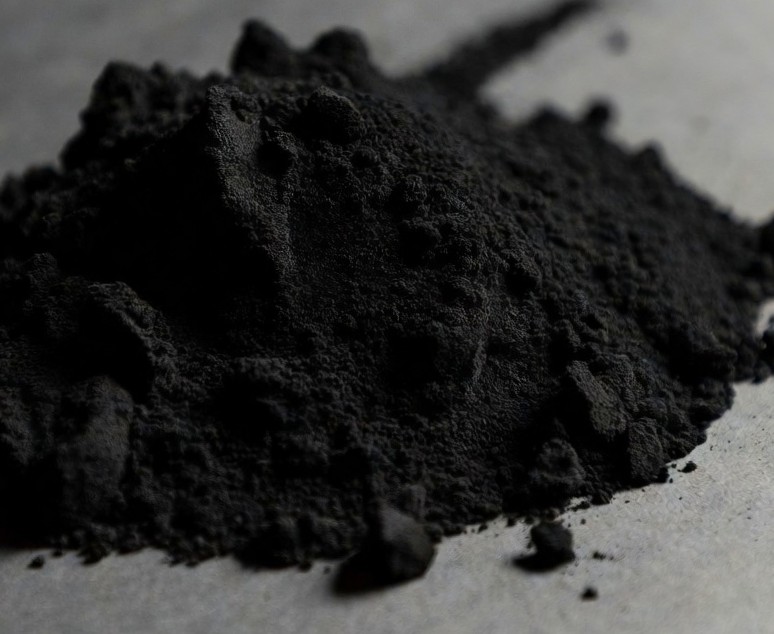

Humate compost represents a practical blend of traditional composting with concentrated humic substances, offering gardeners and small-scale farmers a more effective way to build fertile, resilient soil over time. Unlike standard compost made from kitchen scraps, yard waste, and manure—which breaks down relatively quickly—humate compost incorporates mined humates (typically from leonardite or similar ancient deposits) either during the composting process or as an enriched final product.
How Humate Compost Differs from Regular Compost
Regular compost provides fresh organic matter, nutrients, and microbial life, but much of its carbon releases as CO₂ during decomposition, leaving behind minerals and only about 5–10% humic/fulvic content in good-quality batches. Humate compost, by contrast, adds a high concentration of stable humic substances—often 30–70% in enriched blends—directly contributing persistent carbon to soil humus. This results in slower breakdown, greater nutrient-holding capacity, and more enduring improvements to soil structure.
The humic fraction acts like a natural glue, binding soil particles into stable aggregates that resist compaction and erosion. Fulvic acids, being smaller and more mobile, help transport nutrients into plant roots efficiently. In practice, gardeners mixing humates into their compost pile (for example, adding granular leonardite at 10–20% by volume) or purchasing pre-blended products notice the final material feels darker, more uniform, and slightly spongier than plain compost.
Key Benefits in Garden and Small Farm Use
When applied to garden beds, vegetable plots, flower borders, or lawns, humate compost addresses several common issues seen in home and small-scale growing.
- Superior Water and Nutrient Retention — The humic components increase the soil’s ability to hold moisture—often several times its weight—while preventing rapid leaching of nutrients during heavy rain or frequent watering. This reduces irrigation needs and helps plants through dry spells without constant attention.
- Enhanced Soil Structure Over Time — Regular additions loosen heavy clay soils, improving drainage and aeration, while binding sandy soils to reduce erosion and nutrient washout. Beds become easier to work, with less crusting after watering and better root penetration.
- Boosted Microbial Activity — The stable carbon feeds beneficial bacteria and fungi, accelerating organic matter cycling and creating a livelier soil food web. Earthworm numbers often increase, further aerating the profile and breaking down residues.
- Improved Nutrient Availability — Humates chelate existing and added nutrients, keeping them accessible to roots longer. This allows plants to make better use of whatever fertilizers or organic inputs are applied, often leading to greener foliage, stronger stems, and more consistent yields without increasing feeding rates.
- Better Plant Performance — Roots develop more extensively and vigorously, supporting healthier transplants, faster seedling establishment, and greater tolerance to heat, drought, or minor salinity. Vegetable harvests tend to show larger fruits, better flavor, and fewer deficiency signs; flowers produce more blooms; lawns thicken with reduced bare spots.
Practical Ways to Make or Use Humate
Home gardeners can create humate-enriched compost by layering kitchen scraps, grass clippings, leaves, and manure in the usual way, then incorporating granular or powdered humates (such as leonardite) throughout the pile—roughly one part humate to five or ten parts other materials. Turn the pile periodically as normal; the humates help stabilize the process and reduce odors while speeding maturation in some cases.
Ready-made humate compost blends, available from organic suppliers, typically combine premium compost with 30–50% humate content for immediate use. Apply 2–5 cm (about 1–2 inches) as a top dressing around plants in spring and fall, or mix into planting holes and beds at similar rates. For lawns, spread thinly and water in after mowing.
Realistic Expectations and Long-Term Value
Humate compost does not deliver instant miracles like quick-release fertilizers; its strengths lie in gradual, cumulative soil building. In nutrient-rich, already well-managed gardens, improvements may appear subtle. In poorer or heavily worked soils, however, the difference often becomes evident within one to two seasons through steadier plant health and reduced maintenance needs.
Cost tends to run higher than plain compost due to the humate component, but smaller quantities often suffice because of greater efficiency. For those focused on sustainable, low-input gardening, humate compost offers a worthwhile step toward creating living, self-supporting soil that supports productive gardens year after year with less effort over time. Consistent use, combined with good watering and mulching habits, yields the most reliable results.
Limitations of Humate Compost
Humate compost, while beneficial, has several inherent limitations that should be considered for realistic expectations and appropriate use:
- Limited macronutrient content It supplies only modest amounts of nitrogen, phosphorus, and potassium. It cannot replace primary fertilization programs and must be combined with balanced organic or mineral fertilizers to meet crop demands, especially during peak growth periods.
- Gradual onset of benefits Improvements in soil structure, water retention, and nutrient efficiency develop progressively over multiple applications and growing seasons. Immediate, dramatic changes are uncommon, particularly in soils that are already moderately fertile.
- Variable performance depending on soil conditions The added value is most noticeable in nutrient-depleted, compacted, or sandy soils. In gardens with high existing organic matter or near-optimal structure, the incremental improvement may be minimal or difficult to observe.
- Higher cost compared to standard compost Products enriched with quality humates are generally more expensive than plain compost or basic organic amendments. For large garden areas or frequent applications, the financial outlay can become significant.
- Potential for minor pH shifts or overuse issues Blends containing strongly alkaline potassium humate may slightly raise soil pH over time, which can affect acid-loving plants if not monitored. Excessive application provides diminishing returns and may lead to temporary nutrient imbalances.
Tips for Selecting the Right Humate Compost Product
To ensure effectiveness, safety, and value for money, consider the following selection criteria when purchasing humate compost or humate additives for home blending:
- Prioritize leonardite-based sources Choose products derived primarily from leonardite rather than lower-grade lignite, peat, or mixed coal sources, as leonardite typically offers higher humic content and lower risk of contaminants.
- Verify humic substance content Select products with clearly stated percentages of humic acid (ideally ≥30–50% in enriched blends) and fulvic acid. Avoid vague descriptions such as “humus-rich” or “organic enhancer” without quantified figures.
- Check for organic certification or lab analysis Prefer items certified organic and supported by third-party laboratory reports confirming humic/fulvic levels, pH, and absence of heavy metals.
- Assess solubility and physical quality For mixing into compost or direct application, favor soluble potassium humate in flake or powder form with high water solubility (>90%) and uniform dark color without excessive dust or residue.
- Research supplier reputation Purchase from established manufacturers or distributors with transparent product information, positive farmer feedback, and documented field trials.
- Start small and evaluate Begin with a small quantity on a test area, apply according to label rates, and monitor soil texture, moisture retention, and plant response over one full growing season before committing to larger volumes.
By understanding these limitations and applying careful selection criteria, humate compost can serve as a valuable, supportive amendment within a balanced soil management strategy, contributing to more resilient and productive home gardens in tropical conditions.

Leave a Reply