
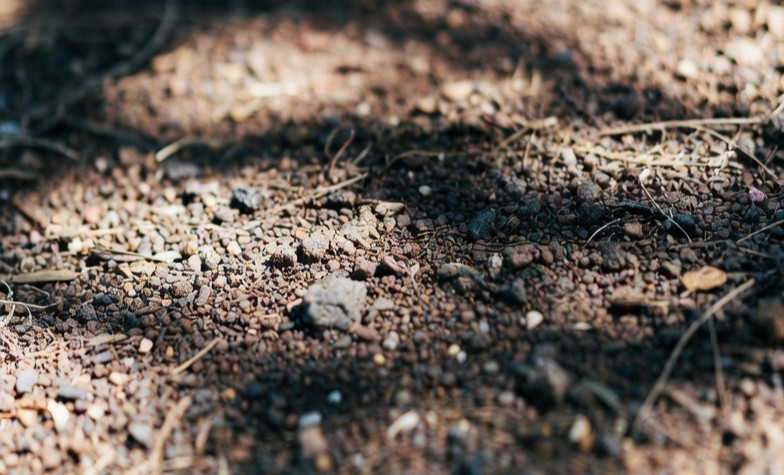

Humate refers to a group of naturally occurring organic compounds derived from the long-term decomposition of ancient plant and animal matter. These materials form over thousands to millions of years through a process known as humification, resulting in stable, carbon-rich substances that constitute a major portion of soil humus.
In agricultural contexts, humate primarily denotes concentrated sources of humic substances, most commonly extracted from deposits such as leonardite—an oxidized form of lignite (a low-grade coal)—or similar weathered carbonaceous materials. Leonardite serves as the predominant commercial source due to its elevated content of humic substances, often ranging from 50% to over 80% in processed forms.
Key Components of Humate
Humate comprises three principal fractions of humic substances, distinguished by differences in molecular size, solubility, and function:
- Humic acid — Larger molecules that are soluble in alkaline conditions but insoluble in acidic environments. Humic acid contributes significantly to soil structure by promoting aggregation, enhancing cation exchange capacity, and improving long-term nutrient retention.
- Fulvic acid — Smaller, more soluble molecules that remain dissolved across a wide pH range. Fulvic acid facilitates rapid nutrient transport into plant roots and cells, supports microbial activity, and aids in chelating trace elements for better bioavailability.
- Humin — The insoluble fraction that remains fixed in the soil matrix, providing structural stability and contributing to sustained organic matter content.
Commercial humate products are typically processed into soluble forms, most notably potassium humate (the potassium salt of humic acid) or, less commonly, sodium humate. Potassium humate is widely preferred in agriculture because it supplies potassium—an essential macronutrient—while avoiding potential sodium-related issues such as salinity accumulation or soil dispersion in sensitive areas.
Distinction from Related Terms
Humate should not be confused with raw humic substances or humus in natural soil. Humus represents the entire stable organic fraction in soil, whereas humate refers to concentrated, extractable products intended for application as soil amendments. Raw leonardite contains humic substances in an insoluble state; alkaline extraction converts these into water-soluble humates suitable for practical use.
Role in Soil and Agriculture
Humate functions primarily as a soil conditioner rather than a direct fertilizer. Humate enhances soil physical properties (such as aggregation, aeration, and water-holding capacity), improves chemical attributes (including nutrient retention and pH buffering), and stimulates biological processes (by providing a carbon source for beneficial microorganisms). These combined effects lead to improved root development, greater nutrient uptake efficiency, and increased plant resilience to environmental stresses.
In summary, humate constitutes a valuable, naturally derived amendment that delivers concentrated humic substances to optimize soil health and support productive agriculture through multifaceted, long-lasting improvements.
Mechanisms of Action in Soil
Humate influences soil in multiple complementary ways:
- Soil Structure Improvement — Humic substances promote soil aggregation by binding clay, silt, and sand particles into stable crumbs. This enhances porosity, reduces compaction, and improves aeration and water infiltration, particularly in heavy clay or degraded soils.
- Water Holding Capacity — The large molecular structure of humic acid acts like a sponge, increasing the soil’s ability to retain moisture and reduce irrigation needs, which proves especially beneficial in arid or drought-prone regions.
- Nutrient Dynamics and Cation Exchange — Humate exhibits a high cation exchange capacity (CEC), enabling it to bind essential nutrients (e.g., potassium, calcium, magnesium, iron, zinc) and prevent leaching. It functions as a natural chelator, converting insoluble micronutrients into plant-available forms and facilitating gradual release over time.
- Microbial Activity Enhancement — Humate provides a sustained carbon source that stimulates beneficial soil microorganisms, including nitrogen-fixing bacteria, phosphate-solubilizing organisms, and mycorrhizal fungi. This fosters a diverse microbiome that supports nutrient cycling, organic matter decomposition, and plant health.
- pH Buffering and Stress Mitigation — Humic substances help moderate soil pH toward neutral ranges (approximately 5.5–7.5), improving nutrient availability. They also alleviate environmental stresses by enhancing root development, hormone-like activity (e.g., auxin- and cytokinin-like effects), and plant resilience to salinity, heavy metals, or drought.
Scientific literature confirms these effects, noting improvements in root architecture, nutrient uptake efficiency, and overall agronomic performance, though outcomes vary with humate source, application rate, soil type, and environmental conditions.
Application Methods and Considerations
Humate is available in granular, powder, or liquid forms, allowing flexible incorporation into farming systems:
- Soil Incorporation — Granular or powdered humate (e.g., micronized forms) is broadcast and tilled into the topsoil before planting or blended with fertilizers for basal application. Higher rates (often several hundred kilograms per hectare) support long-term organic matter buildup.
- Fertigation or Foliar Application — Liquid potassium humate dissolves readily for drip irrigation, fertigation, or foliar sprays, providing rapid effects on nutrient uptake and plant vigor.
- Rates and Timing — Application rates depend on soil conditions; typical recommendations range from 10–50 kg/ha for liquid extracts to 200–1000 kg/ha for dry forms aimed at structural improvement. Split applications in spring and fall maximize benefits, with annual or biennial use yielding cumulative gains in soil fertility.
Soil testing prior to application is advisable to assess pH, nutrient status, and organic matter levels, ensuring optimal compatibility and avoiding over-application.
Benefits for Sustainable Agriculture
Regular humate use contributes to resilient farming systems by:
- Enhancing fertilizer efficiency and reducing nutrient losses.
- Supporting higher yields and improved crop quality through better root systems and nutrient availability.
- Promoting environmental stewardship via reduced chemical inputs, lower erosion risk, and increased soil carbon sequestration.
In summary, humate represents a proven, natural tool for restoring and maintaining soil productivity. Its multifaceted role in improving structure, microbial ecology, and nutrient dynamics positions it as an essential component of regenerative agriculture practices, offering both immediate agronomic advantages and enduring soil health improvements.
Examples of Practical Applications
Humate has been successfully integrated into diverse agricultural systems worldwide, with documented benefits in both tropical and temperate regions:
- Rice cultivation in Southeast Asia (e.g., Mekong Delta, Vietnam, and similar areas in Thailand): Farmers apply potassium humate at rates of 200–400 kg/ha as a basal incorporation mixed with NPK fertilizers before planting, or via fertigation at 10–20 liters/ha of liquid concentrate during early tillering. Reported outcomes include 10–15% yield increases, improved water retention in nutrient-poor or slightly saline soils, enhanced root development, and reduced leaching losses under heavy rainfall conditions.
- Coffee and perennial crops in highland regions (e.g., Central Highlands of Vietnam, parts of Central America): Basal applications of 300–500 kg/ha granular potassium humate combined with organic matter or NPK prior to the rainy season, followed by 2–3 fertigation or foliar applications (0.1–0.3% solution, 15–30 liters/ha per application) during recovery and flowering stages. Observations include denser canopies, higher fruit set, greater drought tolerance during dry periods, and stronger root systems in compacted soils.
- Vegetable and fruit production in intensive systems (e.g., Southeast Asia, Mediterranean regions): Root dipping of seedlings in 0.5–1% solutions before transplanting, or soil incorporation at 100–200 kg/ha, with periodic foliar sprays every 15–20 days during vegetative growth. Benefits include faster establishment, larger fruit/vegetable size, improved quality (e.g., sugar content, color, storability), and reduced fertilizer requirements by 10–20% in some trials.
- Global field trials with humate-coated urea or amendments (e.g., arid/semi-arid areas in Russia, Middle East, and Asia): Coating urea with potassium humate reduces nitrogen losses, increases ammonium retention by up to 35%, and supports nutrient efficiency in leaching-prone or compacted soils.
These examples, drawn from field observations and studies, demonstrate progressive improvements, with initial gains in the first season and more pronounced effects over 2–5 years of consistent use.
Limitations and Considerations
While humate offers significant advantages, certain constraints must be acknowledged to ensure realistic expectations:
- Variable efficacy by soil type — Benefits are most evident in degraded, low-organic-matter, sandy, or slightly acidic/saline soils. In already high-organic or heavy clay soils, responses may be less pronounced or require higher rates for noticeable changes.
- Not a standalone fertilizer — Humate enhances nutrient availability and efficiency but does not replace primary macronutrients (N, P, K). Over-reliance without balanced fertilization can limit results.
- Cost and accessibility — High-quality products can be more expensive than conventional amendments, potentially limiting adoption among smallholder farmers. Raw material dependency (e.g., leonardite deposits) and processing costs contribute to price variability.
- Application timing and compatibility — Effects are gradual rather than immediate; improper mixing with high-pH fertilizers may reduce solubility. Over-application yields diminishing returns, and benefits depend on integration with practices like crop rotation, mulching, or irrigation management.
- Environmental and quality factors — Low-quality or adulterated products (e.g., high fillers, impurities) may underperform or introduce contaminants. Long-term stability of improvements requires ongoing soil monitoring.
Tips for Selecting Quality Humate Products
To maximize benefits, prioritize products with verified specifications and reliable sourcing:
- Source material — Choose leonardite-based potassium humate over lignite or other lower-grade sources, as it typically offers higher humic acid content (>60–70%) and better solubility/bioavailability.
- Key specifications — Look for products with at least 50–80% humic acid, 10–25% fulvic acid, 8–12% potassium (K₂O), and high solubility (>95% in water). Request a certificate of analysis confirming these levels, low heavy metals, and minimal impurities/fillers.
- Appearance and form — High-quality potassium humate appears dark brown to black, fully water-soluble (no residue), and available in shiny flakes, powder, or liquid forms suitable for the intended application.
- Certifications and testing — Prefer products with third-party testing, quality certifications, or labels indicating purity and origin. Avoid unverified cheap options that may contain sodium humate adulterants or excessive inert materials.
- Supplier reliability — Select established manufacturers or suppliers with transparent production processes (e.g., alkaline extraction from natural sources) and positive field track records. Consult local agricultural extension services or conduct small-scale trials before large commitments.
Conclusion
In conclusion, humate represents a practical and effective tool for advancing sustainable soil management in Vietnamese agriculture. By integrating potassium humate through basal incorporation, fertigation, foliar application, or seed treatments at appropriate rates and timings, farmers can achieve measurable improvements in soil health, fertilizer efficiency, and crop productivity while reducing environmental impacts associated with excessive synthetic inputs. Long-term use contributes to resilient farming systems capable of maintaining or increasing yields amid challenges such as soil compaction, nutrient depletion, water scarcity, and climatic variability. When combined with soil testing and balanced fertilization programs, humate supports not only short-term agronomic gains but also the enduring restoration of soil fertility essential for future generations of productive land use.
Potassium humate stands as a valuable, evidence-supported amendment for global soil management, particularly in intensive or challenged cropping systems. When applied judiciously—with attention to soil conditions, integrated nutrient programs, and product quality— humate contributes to enhanced fertility, resource efficiency, and resilient agriculture over the long term.




Leave a Reply