
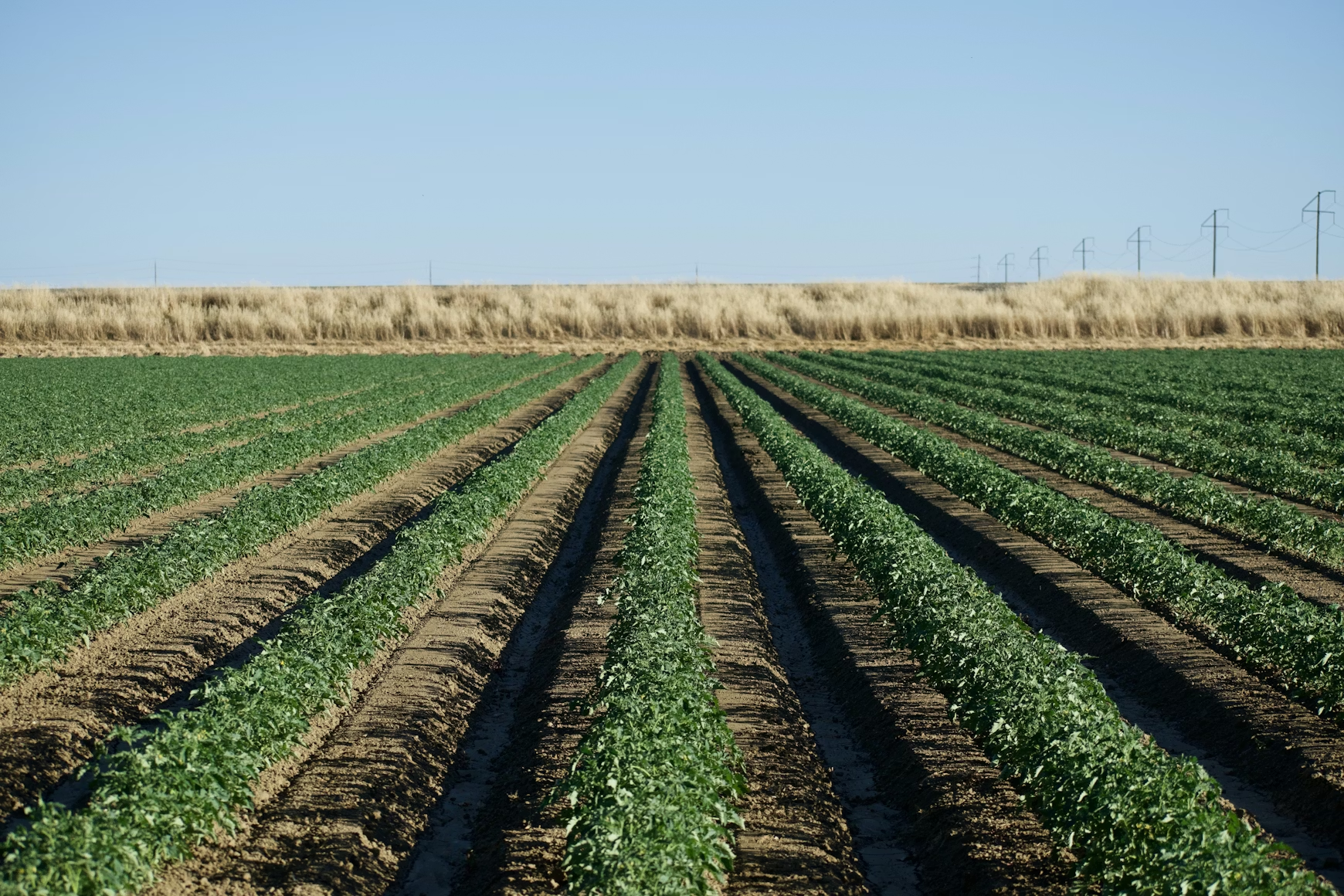

Humic acid fertilizer is one of those natural helpers that many farmers are turning to these days. Humic acid comes from ancient plant and animal remains that have broken down over thousands or even millions of years. The best stuff usually gets mined from deposits called leonardite—a kind of soft, weathered coal that’s packed full of organic material. Farmers like it because it doesn’t just feed the plants directly; it makes the soil work better overall. Humic acid helps crops take up nutrients more easily, builds stronger roots, holds water in the ground longer, and even feeds the good microbes that live in the soil. Over time, humic acid can lead to healthier fields, bigger harvests, and often less need for regular chemical fertilizers.
Chemically, humic acid consists of large, heterogeneous macromolecules with high molecular weights ranging from several thousand to hundreds of thousands of Daltons. Its composition typically includes carbon (50-60%), oxygen (30-45%), hydrogen (3-5%), nitrogen (0.7-5%), and trace amounts of sulfur and phosphorus. Key functional groups, such as carboxylic (-COOH) and phenolic (-OH) moieties, confer its acidic properties and enable interactions with metal ions and soil particles.
Primary commercial sources include leonardite (oxidized lignite, a soft coal-like material rich in humic acids, often containing 70-80% humic content), peat, lignite, and soil organic matter. Leonardite-derived humic acid is prized for its high bioactivity due to prolonged natural oxidation over millions of years.
Why Farmers Use Humic Acid on Their Crops
There are several solid reasons why humic acid has become popular in farming:
- It Fixes Poor Soil Problems: In fields that have been planted year after year, the soil often gets worn out—hard, compacted, or low in organic matter. Humic acid loosens things up, creates better clumps in the soil so air and water can move through, and stops erosion.
- Makes Nutrients Last Longer: It grabs onto things like nitrogen, phosphorus, iron, zinc, and others, keeping them from washing away in rain or becoming locked up where plants can’t use them. This means crops get a steady supply instead of big bursts followed by shortages.
- Builds Tougher Plants: Roots grow deeper and wider, plants stand up better to dry spells, hot weather, salty soil, or diseases. Many farmers notice their crops look greener and stronger.
- Feeds Soil Life: The tiny bacteria and fungi in the soil love the carbon in humic acid. When they thrive, they break down old plant material faster, release more nutrients, and even help protect against bad pathogens.
- Boosts Harvest Size and Quality: Real farm trials around the world show yield jumps of 10-30% in many cases. Fruits and grains often end up bigger, tastier, with more vitamins or protein, and they store longer after picking.
- Cuts Costs and Helps the Environment: Because nutrients work better, farmers can often use 20-40% less synthetic fertilizer and still get the same or better results. That saves money and reduces runoff into rivers and lakes.
In short, humic acid is a tool for farming smarter, not harder—especially as soils get more stressed from heavy use and changing weather.
Which Crops Do Best with Humic Acid
Almost any crop can benefit, but some show bigger improvements than others based on years of field tests:
- Wheat, Barley, and Other Small Grains: Farmers often see heavier grains, more protein, and 15-30% higher yields, especially in drier or saltier areas.
- Corn (Maize): Bigger ears, stronger stalks, faster early growth, and overall yields up 10-25%.
- Rice: Helps a bit with nutrient use in flooded paddies, though results are sometimes smaller than in upland crops.
- Soybeans and Legumes: Better nodulation (those root bumps that fix nitrogen), stronger plants, and higher bean counts.
- Cotton: Thicker bolls, better fiber quality, and less shedding during stress.
- Vegetables Like Tomatoes, Peppers, Onions, Potatoes, and Cucumbers: Much bigger fruits, brighter colors, sweeter taste, and harvests that can jump 20-40%. Potatoes get smoother skins and higher starch.
- Root Crops Like Carrots and Beets: Straighter roots, bigger size, and better sugar content in beets.
- Fruit Crops – Apples, Grapes, Citrus, Berries: Sweeter fruit, thicker skins, longer shelf life, and better resistance to cracking or disease.
- Peanuts and Other Continuous Crops: In fields planted to the same thing year after year, humic acid has rebuilt tired soil over 2-3 seasons, bringing back good microbes and cutting disease pressure.
Even pasture grass for livestock grows thicker and more nutritious with regular use.
How Farmers Apply Humic Acid in the Field
There are several practical ways to get humic acid onto crops, and most fit easily into normal farming routines:
- Broadcast or Soil Mix Before Planting Spread dry granules or powder across the field, then disk or plow it in. This gives the longest-lasting improvement.
- Banded with Seed or Starter Fertilizer Place it right near the seed row during planting for early root contact.
- Through Irrigation Systems (Fertigation) Mix liquid forms into drip or pivot irrigation—perfect for steady feeding in big fields or greenhouses.
- Foliar Sprays with Regular Sprayers Dilute liquid humic acid and spray on leaves during growth stages. Plants absorb it fast this way, great for quick fixes during stress.
- Seed Coating or Soaking Treat seeds before planting to kick-start germination and young roots.
- Mixed into Compost or Manure Add humic acid when making organic piles for an extra punch when spreading.
Most farmers use a combination—like soil application once a year plus a couple of foliar sprays.
How Much to Use on Different Crops
Amounts depend on your soil, the product strength, and what you’re growing. Always read the label, but here are typical starting rates from farm experience:
- Large Field Crops (Corn, Wheat, Soybeans): 300-800 kg of granules per hectare per year, or 10-30 kg/ha of dry soluble powder. Liquid: 10-30 liters/ha split over 2-4 applications.
- High-Value Vegetables (Tomatoes, Peppers, Potatoes): 200-600 kg/ha granules, or 15-40 kg/ha powder. Foliar sprays: 1-4 liters/ha each time.
- Rice Paddies: 200-500 kg/ha incorporated before transplanting.
- Orchards and Vineyards: 500-1,000 kg/ha granules around trees every 1-2 years, plus foliar during bloom and fruit set.
- General Safe Range: Many farmers start at half the recommended rate the first year, then adjust up if plants respond well.
You can often drop regular fertilizer by 20-30% when using humic acid and still keep yields steady.
When to Apply for the Best Results
Timing makes a big difference:
- Before or at Planting: Gets roots off to a strong start.
- Early Vegetative Growth: Builds big, healthy plants.
- Before Flowering: Helps set more blooms and reduce drop.
- During Fruit or Grain Fill: Improves size, weight, and quality.
- After Harvest or in Fall: Rebuilds soil for next season (especially granules).
In dry areas, apply when moisture is coming (rain or irrigation) so it moves into the soil.
Practical Tips from Farmers Who Use Humic Acid
- Get a soil test every couple of years to see what your field really needs.
- Buy from trusted suppliers—look for products that list actual humic acid percentage (60-80% is solid).
- Mix with your usual fertilizers; humic acid makes them work harder.
- Keep good records of rates, timing, and yields so you can fine-tune.
- Start small on part of a field the first year to see how it goes in your conditions.
- Store dry products in a shed away from moisture and heat.
What to Watch Out For – It’s Not Magic
Humic acid helps a lot, but it’s not perfect for every situation:
- Results Can Vary: You might see huge gains in poor soil but smaller ones in already rich ground.
- Takes Time: Don’t expect overnight changes—full benefits often show after a season or two.
- Extra Cost Up Front: Quality products add expense, though most farmers say it pays back through saved fertilizer and higher yields.
- Not a Complete Fertilizer: Humic acid improves what’s there but doesn’t add much nitrogen, phosphorus, or potassium on its own.
- Quality Matters: Cheap, low-grade stuff might do little or nothing.
- Weather and Soil Type Affect It: Works great in most places but may need adjustments in very sandy or extremely acidic fields.
Wrapping It Up
Humic acid fertilizer has earned its place on many farms around the world for good reason. Humic acid helps grow stronger crops, improves tired soil, boosts harvests, and often cuts costs and chemical use over time. Whether you’re running hundreds of hectares of corn or a smaller operation with vegetables and fruits, adding humic acid in the right way can make a real difference season after season. It’s one of those simple, natural tools that supports farming today while leaving the land in better shape for tomorrow. If you’re thinking about trying it, start with a soil test, pick a reputable product, and give it a season or two—you’ll likely be glad you did.


Leave a Reply