
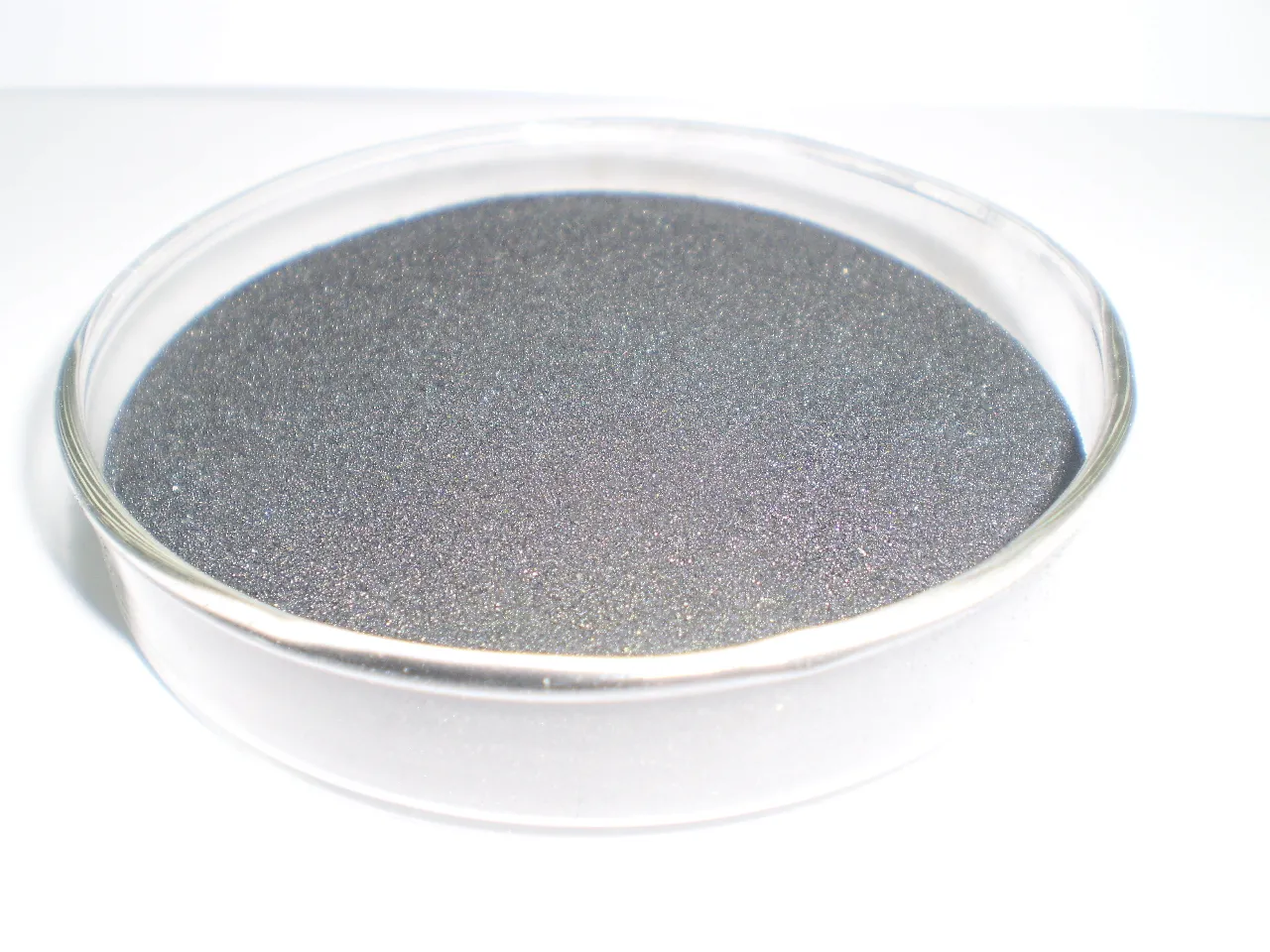
1. General Information
- Chemical Name : Fulvic acid
- Synonyms : Fulvic acids, FA, Leonardite-derived fulvic acid, Humic substances (low molecular weight fraction)
- CAS Number : 479-66-3
- Appearance : Yellow to brown amorphous powder or liquid concentrate
2. Description
Fulvic acid is a naturally occurring, low-molecular-weight fraction of humic substances formed through the microbial degradation and oxidation of ancient plant and animal residues over millions of years. It belongs to the class of complex polyphenolic compounds characterized by a high oxygen content, abundant carboxyl (–COOH) and phenolic hydroxyl (–OH) functional groups, and a distinctive yellow-to-brown color in solution.
These characteristics make fulvic acid a powerful natural biostimulant, electrolyte transporter, and soil enhancer capable of improving nutrient uptake, stimulating root development, enhancing photosynthesis, increasing stress tolerance (drought, salinity, heavy metals), and promoting beneficial microbial activity. In human and animal nutrition, its ability to cross cell membranes facilitates mineral absorption and exhibits antioxidant and anti-inflammatory effects.
3. Physical and Chemical Properties
| Property | Specification (Typical) |
|---|---|
| Fulvic acid content (dry basis) | ≥ 90–98 % (high-purity grade) |
| Humic + Fulvic acid (total) | ≥ 95 % |
| Solubility in water | Fully soluble at all pH levels |
| pH (1 % solution) | 3.5–5.5 |
| Moisture (powder) | ≤ 8 % |
| Ash content | ≤ 5 % |
| Heavy metals (Pb) | ≤ 10 ppm |
| Heavy metals (As) | ≤ 2 ppm |
| Heavy metals (Cd) | ≤ 1 ppm |
| Heavy metals (Hg) | ≤ 0.1 ppm |
| Total nitrogen (N) | 0.5–2.0 % |
| Organic carbon (C) | 45–55 % |
| Oxygen content | 40–48 % |
| Carboxyl groups (–COOH) | 6–10 meq/g |
| Phenolic hydroxyl groups | 2–4 meq/g |
| Bulk density (powder) | 0.50–0.70 g/cm³ |
| Particle size (powder) | 90 % < 100 mesh (150 µm) |
4. Functional Characteristics
- Extremely high cation exchange capacity (CEC): 800–1,400 meq/100 g
- Strong chelating ability for micronutrients (Fe, Zn, Mn, Cu, etc.)
- Enhances nutrient uptake and translocation in plants
- Improves soil structure and microbial activity
- Excellent bioavailability and membrane permeability
- Natural biostimulant and plant growth promoter
5. Applications
- Agriculture & Horticulture: Foliar sprays, fertigation, seed treatment, soil conditioners
- Animal Nutrition: Feed additive (improves mineral absorption, gut health)
- Human Nutrition & Cosmetics: Dietary supplements, skincare formulations (anti-oxidant, anti-inflammatory)
- Industrial: Chelating agent, water treatment, remediation
6. Packaging
- Powder: 25 kg multi-wall kraft bags with PE liner, 500–1,000 kg big bags
- Liquid concentrate (10–15 % w/v): 20–25 L HDPE drums, 200 L drums, 1,000 L IBC
7. Storage & Shelf Life
- Store in cool, dry place away from direct sunlight
- Shelf life: Minimum 5 years when stored under recommended conditions