
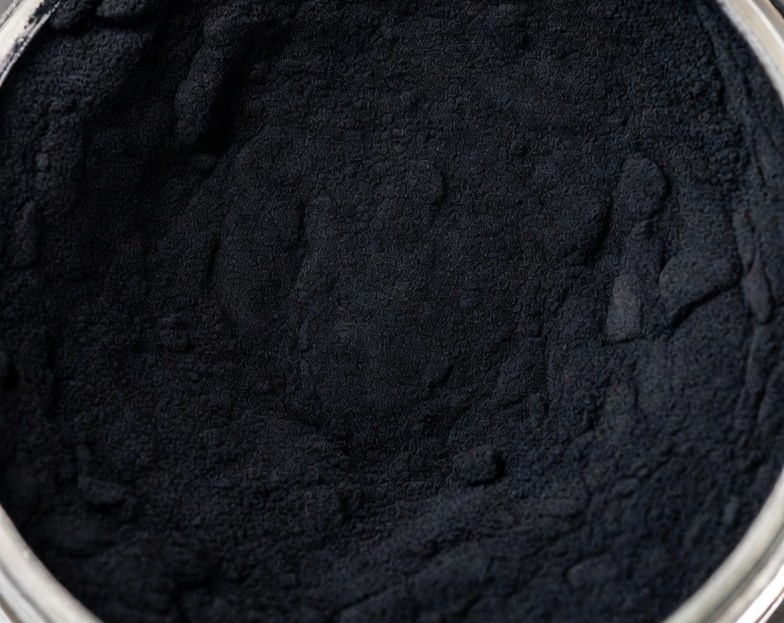

Potassium fulvate, commonly referred to as K Fulvate, is a highly effective organic compound derived primarily from young leonardite or lignite deposits through extraction and combination with potassium. Characterized by its low molecular weight (approximately 300–500 Da), it offers exceptional water solubility, resistance to flocculation in hard water (often up to 25°dH), and compatibility across a wide pH range. These properties make it a versatile input in modern farming systems worldwide, supporting nutrient efficiency, soil health, and sustainable crop production.
Key Benefits of Potassium Fulvate in Agricultural Systems
Field trials and practical observations across diverse regions demonstrate consistent advantages:
- Enhanced Soil Structure and Water Retention — K Fulvate promotes the formation of stable, water-resistant aggregates, increasing soil porosity, aeration, and moisture-holding capacity. This is particularly valuable in sandy, compacted, or degraded soils, with studies showing improvements in aggregate stability by 40–60% and soil porosity by up to 25% after repeated applications.
- Improved Nutrient Use Efficiency — Through strong chelation, it binds phosphorus, calcium, iron, zinc, and trace elements, reducing fixation, volatilization (e.g., nitrogen losses), and immobilization. When blended with conventional fertilizers such as NPK, urea, or DAP, nutrient utilization can increase by 10–500%, depending on soil conditions and crop type, with phosphorus uptake rising by 28–39% in some trials.
- Boosted Plant Physiology and Stress Tolerance — K Fulvate elevates chlorophyll content, photosynthetic efficiency, and carbohydrate accumulation, while enhancing resistance to drought, salinity, cold, waterlogging, and disease pressure. Plants often recover faster from stress, with reported increases in drought and cold tolerance exceeding 30%.
- Higher Yields and Superior Produce Quality — Applications lead to larger fruit size, elevated Brix levels, improved thousand-grain weight in grains, and extended shelf life. Yield improvements of 15–25% have been documented in various crops, including tomatoes (stem diameter +17%, single-fruit weight +24%), maize, wheat, soybeans, sugarcane, and fruit trees such as apples, grapes, and citrus.
These effects align with global trends toward reduced chemical inputs and organic-compatible practices, as potassium fulvate supports eco-friendly farming by minimizing nutrient leaching and environmental impact.
Practical Application Methods
K Fulvate is adaptable to multiple delivery systems, with formulations available in powder, flake, granule, or liquid forms:
- Drip Irrigation / Fertigation — The preferred method in intensive systems; dissolve 3–8 kg/ha per application, applied in splits throughout the season for efficient root-zone delivery.
- Foliar Spray — Dilute at 1:1000 to 1:2000 for rapid uptake; ideal during active growth, flowering, fruit set, or stress periods (e.g., heat, drought, or salinity events).
- Soil Incorporation — Blend with organic amendments or apply basally at 5–15 kg/ha during preparation or planting, especially effective in degraded or low-organic-matter soils.
Rates vary by crop, soil type, and product purity (fulvic acid content typically 50–90% dry basis, K₂O 8–12%). Always conduct jar tests for compatibility with other inputs.
Limitations and Important Considerations
Despite its advantages, potassium fulvate is not a standalone solution and has inherent constraints:
- K Fulvate does not fully replace mineral fertilizers or address severe structural issues (e.g., extreme compaction, poor drainage, or high salinity).
- Higher initial cost compared to basic inorganic options requires economic justification, particularly for lower-value field crops.
- Product quality varies widely among suppliers; lower fulvic acid fractions may yield reduced performance.
- Some formulations are mildly alkaline, precluding direct mixing with strongly acidic fertilizers, pesticides, or non-chelated micronutrients to avoid precipitation or antagonism.
- Over-application risks root burn; adhere strictly to recommended dilutions and conduct small-scale trials.
Quality assurance through certificates (e.g., compliance with relevant standards for humic/fulvic content) is essential.
Global Sourcing and Availability
Potassium fulvate is produced and distributed internationally, with China as the dominant manufacturing hub. Exports reach over 20 countries, supplying markets in North America (USA, Canada), Europe (Germany, France, UK), Asia (India, Southeast Asia), South America (Brazil for sugarcane and soybeans), and beyond.
In the United States and Europe, adoption grows in sustainable and organic sectors, supported by emphasis on soil health. In India, government programs promote its use for water retention in arid zones. Brazil integrates it into large-scale commodity production. Reliable suppliers offer verified products with laboratory documentation; direct inquiries to manufacturers or authorized distributors ensure authenticity.
In conclusion, potassium fulvate represents a scientifically supported tool for advancing efficient, resilient, and sustainable agriculture globally. Its ability to enhance nutrient dynamics, soil vitality, and crop performance—when integrated thoughtfully into balanced programs—contributes to long-term productivity gains and environmental stewardship across diverse agroecological contexts.



Leave a Reply