
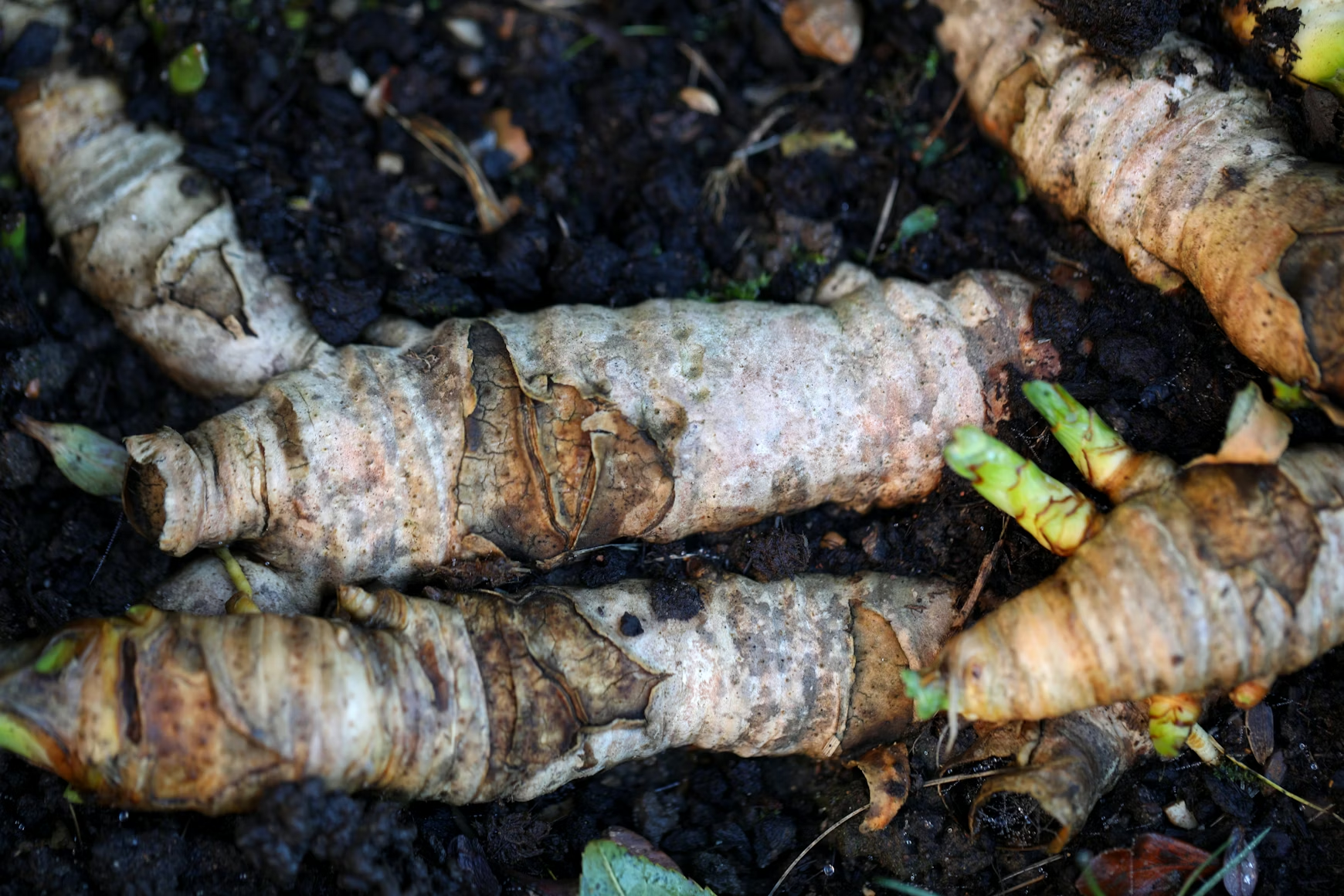

Fulvic acid is a naturally occurring organic compound that forms during the breakdown of plant and animal materials by microorganisms in the environment. It is part of humic substances, which include humic acid and humin, and is found in soil, water, and ancient deposits. This compound is water-soluble and has a low molecular weight, allowing it to interact easily with minerals and nutrients. Natural fulvic acid comes bundled with trace elements, amino acids, and other organic components from its source, unlike any synthetic versions. Fulvic acid develops over long periods in organic-rich settings, contributing to soil health by helping move nutrients and supporting microbial activity.
In healthy ecosystems, fulvic acid is common, but levels have dropped in many modern soils due to intensive farming and erosion. This reduction affects nutrient availability in crops. Understanding natural sources helps in selecting foods or materials that retain higher amounts, supporting better nutrition and environmental balance.
Primary Natural Sources
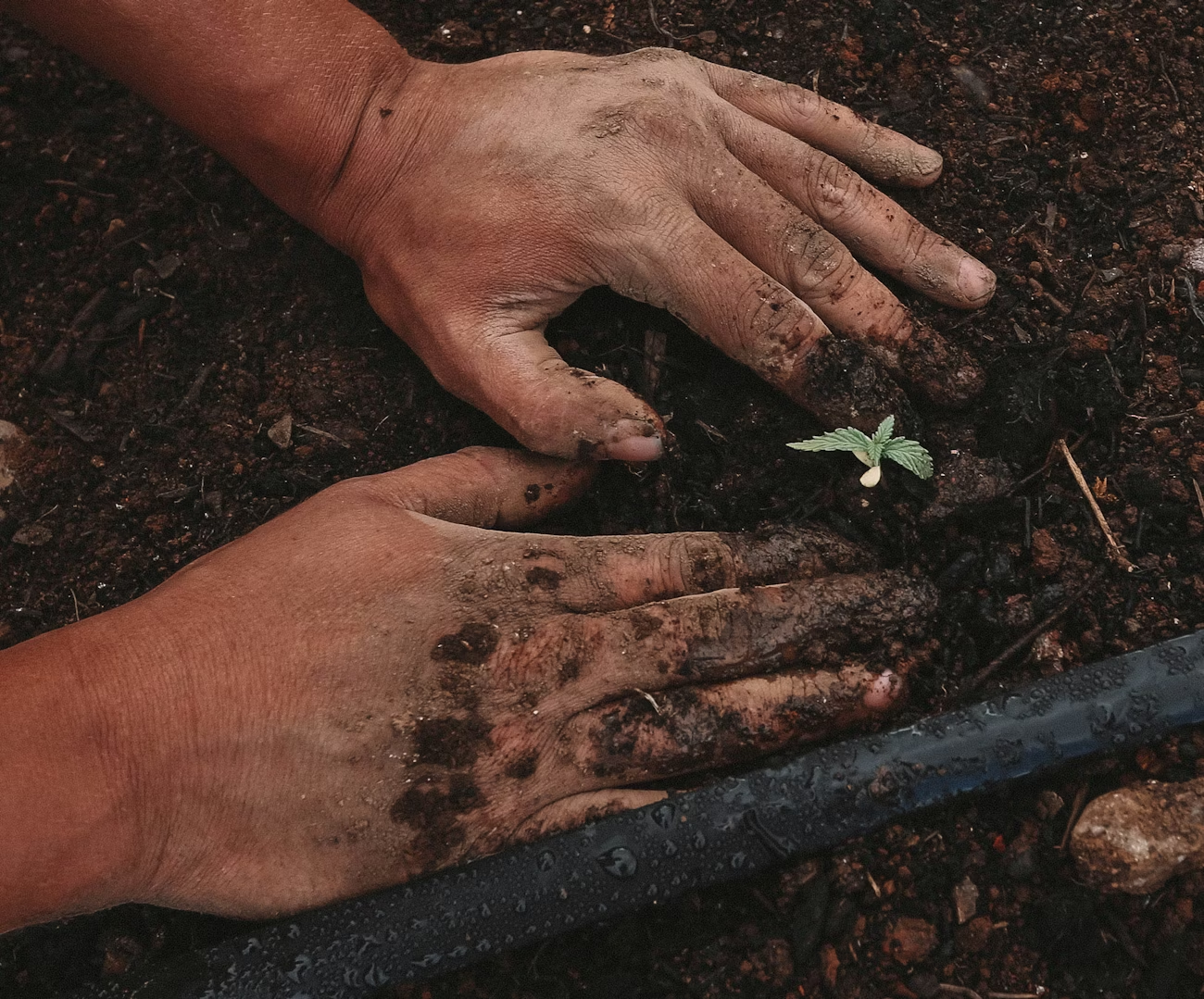
- Organic-Rich Soils and Humus The foundation of fulvic acid lies in fertile soils containing abundant decaying organic matter. Microorganisms decompose leaves, roots, and other remains, gradually forming fulvic acid. Soils in undisturbed forests, grasslands, or meadows typically hold higher concentrations. Plants growing in such soils absorb fulvic acid, passing small amounts into their tissues. However, conventional agriculture often depletes these levels, resulting in lower content in standard produce.
- Peat Bogs and Ancient Organic Deposits Peat bogs, created from partially decayed plants like moss in wetland areas, serve as major reservoirs of fulvic acid. These deposits, sometimes dating back millions of years, produce highly concentrated forms through slow decomposition. Ancient sedimentary layers and prehistoric compost materials also yield significant amounts. Extracts from pristine peat sources are valued for their bioactive properties, provided they are harvested sustainably to avoid contamination.
- Shilajit Shilajit is a resinous substance that forms in high mountain regions, such as the Himalayas and Altai ranges, from the gradual breakdown of plants under extreme conditions. It consists largely of humic substances, with fulvic acid comprising 20% to 80% depending on quality, along with numerous trace minerals. This makes shilajit one of the most concentrated natural sources, traditionally used in various cultures for its mineral-rich profile.
- Root Vegetables Grown in Nutrient-Dense Soils Vegetables with underground growth parts draw fulvic acid directly from the soil. Examples include carrots, beets, potatoes, radishes, turnips, parsnips, and sweet potatoes. The content varies with soil conditions; those from organic or regenerative farms show higher levels. These foods provide an accessible dietary route for trace amounts, especially when consumed regularly.
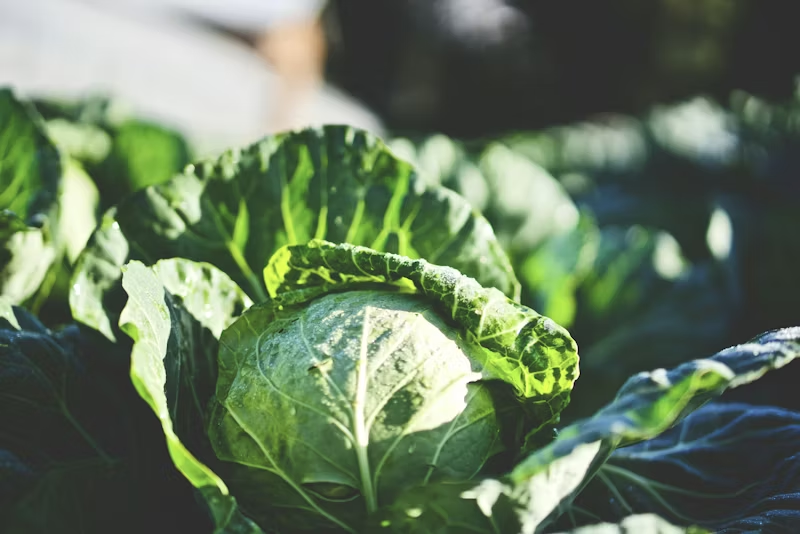
- Leafy Greens and Above-Ground Vegetables Plants like spinach, kale, arugula, Swiss chard, broccoli, and other greens can contain smaller quantities when cultivated in fertile soil. Berries, tomatoes, and similar fruits or vegetables may also incorporate traces if grown in humus-rich environments. Soil quality remains the determining factor.
- Seaweed and Marine Plants Sea vegetables such as kelp, dulse, nori, and other algae absorb fulvic acid from ocean waters and coastal sediments. These sources offer a distinct marine-derived form, often combined with iodine and other sea minerals.
- Nuts, Seeds, and Sprouts Items like almonds, walnuts, flaxseeds, sesame seeds, alfalfa sprouts, and clover sprouts can accumulate fulvic acid, particularly from healthy soils. These provide additional options for incorporation into meals.
- Fermented Foods Products like sauerkraut, kimchi, kefir, and other fermented vegetables or drinks develop fulvic acid through microbial processes. Fermentation enhances bioavailability and adds probiotic benefits.
- Blackstrap Molasses This byproduct from sugarcane processing retains traces of fulvic acid when the cane is grown in suitable soils. It serves as a natural sweetener with mineral content.
- Natural Waters and Sediments Fulvic acid dissolves into rivers, lakes, streams, and groundwater from surrounding organic matter. In pristine areas, it contributes to dissolved organic carbon, influencing water quality.
Factors Influencing Fulvic Acid Content
The amount in any source depends on environmental conditions, decomposition stage, and human impacts. Organic farming practices that build soil organic matter increase levels in plants. Conversely, depleted soils from chemical inputs yield lower concentrations. Ancient deposits like peat or shilajit generally offer higher purity and potency due to prolonged natural formation.
Practical Approaches to Accessing Natural Fulvic Acid
Incorporating diverse whole foods from quality sources maximizes intake. Prioritize organic root vegetables, seaweed, fermented items, and leafy greens. For higher concentrations, responsibly sourced shilajit or peat-derived products can supplement diets, ensuring testing for purity and absence of contaminants like heavy metals.
In conclusion, fulvic acid originates solely from natural decomposition in soils, deposits, waters, and plants. Its distribution across these sources highlights its role in nutrient cycling and ecosystem vitality. Emphasizing sustainable sources supports both personal nutrition and environmental stewardship, preserving these compounds for ongoing benefits.

Leave a Reply