
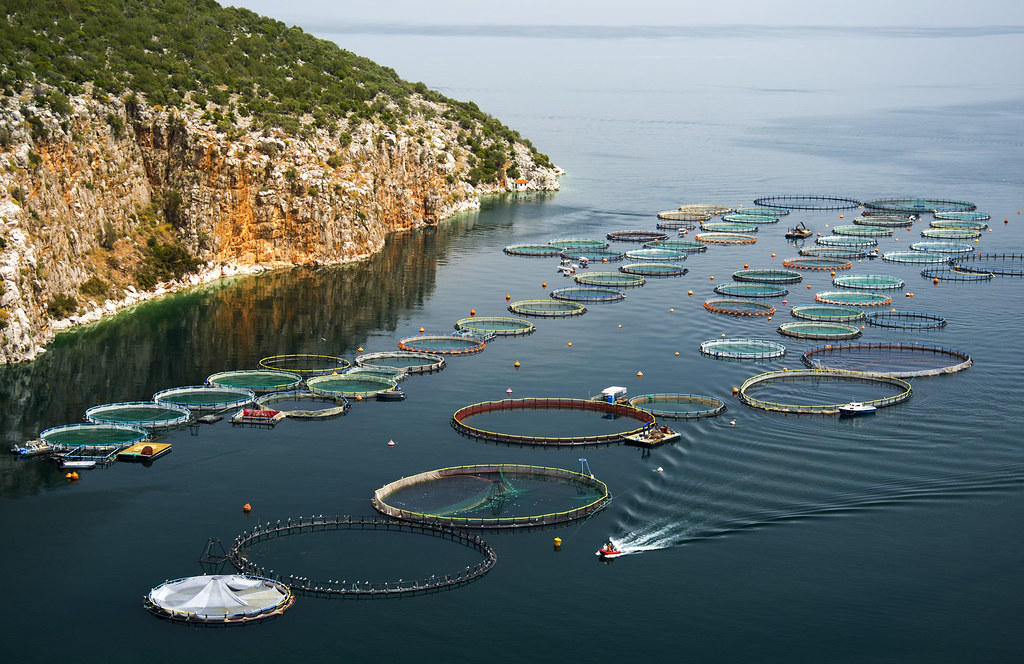

Sodium humate, a water-soluble salt derived from humic acid and typically extracted from natural sources such as leonardite or lignite, has gained increasing recognition in aquaculture as both a feed additive and an agent for water treatment. This compound exhibits a range of properties that contribute to effective environmental management and the enhancement of animal health in various aquatic farming systems. Its utilization stems from its ability to interact with biological and chemical elements in water bodies, thereby supporting sustainable practices in the industry.
Applications in Aquaculture
Sodium humate serves multiple roles within aquaculture operations, reflecting its versatility in addressing both water quality and nutritional needs.
- One primary application involves its direct addition to culture water, where it helps to enhance overall quality by mitigating the toxicity of heavy metals and purifying the environment through adsorption and chelation processes. This mechanism is particularly valuable in intensive farming setups, where pollutants can accumulate rapidly.
- Furthermore, as a feed supplement, sodium humate supports gut health and binds toxins in species including fish and shrimp, thereby improving digestion and reducing the impact of harmful substances.
- In regions such as Southeast Asia, particularly in countries like Vietnam, it is commonly employed for waste management and integrated feeding strategies, which promote sustainability by minimizing environmental degradation and optimizing resource use.
- Additionally, its light-absorbing characteristics play a role in suppressing algae growth by darkening the water, which reduces excessive photosynthesis and helps maintain balanced oxygen levels.
- Beyond these, sodium humate can be used to treat murky or muddy pond bottoms, remove dead algae or oil films, and even regulate the pH of water by buffering hydrogen ion concentrations, ensuring a more stable aquatic habitat.
- In practical terms, it is often applied in dosages ranging from 1-2 kg per acre for ponds with an average depth of 1 meter, with adjustments made for larger reservoirs or specific conditions.
Key Benefits
Empirical studies have illuminated a broad spectrum of advantages associated with sodium humate in aquaculture, underscoring its potential as a multifaceted tool for improving productivity and resilience.
- Water Quality Enhancement: By detoxifying pollutants and maintaining ecological balance, sodium humate fosters superior water conditions essential for high-density farming. It effectively binds with heavy metals, sulfates, and other toxic substances, creating a safer environment that supports the overall vitality of aquatic species. This purification effect also extends to removing harmful gases and toxins, leading to cleaner ponds and more consistent production outcomes.
- Immune and Health Support: Sodium humate bolsters immune responses, reduces susceptibility to diseases such as those caused by Aeromonas hydrophila in tilapia, and increases cellular permeability, which in turn facilitates better hydration and nutrient uptake in aquatic organisms. It regulates gastrointestinal functions, enhances disease resistance, and promotes overall animal health without introducing toxicity, side effects, or residues from long-term use. These benefits are particularly evident in improving interstitial water volume and protoplast permeability in cells, contributing to stronger immunity and higher survival rates in challenging environments.
As a cost-effective additive, sodium humate holds substantial promise, though its efficacy varies with factors like dosage, target species, and prevailing environmental conditions. Continued research is essential to develop tailored protocols that maximize its advantages in diverse aquaculture settings.
Sources for Obtaining Sodium Humate
Sodium humate suitable for aquaculture purposes is available from a variety of specialized agricultural and chemical suppliers, often derived from natural deposits like leonardite or lignite to ensure high quality. As of 2025, market projections indicate growing demand, with the global feed-grade sodium humate sector valued at approximately USD 1.2 billion in 2023 and expected to expand significantly.
Many of these suppliers are based in China, a leading producer, and offer international shipping options. It is advisable to verify product specifications, including compliance with local regulations and certifications, prior to purchase to ensure suitability for specific aquaculture needs.
Limitations
Notwithstanding its numerous benefits, the incorporation of sodium humate in aquaculture is not without constraints, requiring careful assessment to ensure optimal outcomes.
- Variability in its effects is pronounced, driven by variables including dosage levels, the specific type of humic substance, source material quality, the aquatic species involved, and ambient conditions.
- While beneficial at moderate levels, inclusion rates exceeding 3% in feed may lead to inhibitory effects, such as diminished growth performance or reduced feed efficiency.
- Conversely, lower concentrations—such as 60–200 mg/kg in diets for species like sterlet—might not yield statistically significant improvements in growth or health metrics, rendering the application less impactful than anticipated.
- Moreover, excessive sodium content could pose risks in certain systems, potentially disrupting soil or water dispersion if not managed properly, although this is more relevant in agricultural crossovers.
- The heterogeneity observed across research findings highlights the need for more comprehensive investigations into ideal dosing regimens and long-term consequences, including the potential for over-application leading to inconsistent quality or environmental imbalances from varying sources.
- In regions with limited approved therapeutics, such as parts of Europe, reliance on humic substances must be balanced against regulatory constraints and the scarcity of alternatives for pathogen control.
- Therefore, conducting site-specific trials remains crucial to prevent suboptimal results or unintended adverse effects, ensuring that applications are both safe and effective.
Tips for Selecting Sodium Humate
Choosing the appropriate sodium humate requires a methodical evaluation of several critical attributes to assure its effectiveness and safety within aquaculture systems.
- Prioritize products with high purity, typically indicated by a humic acid content of 65–70% or higher, as this metric directly correlates with performance in water quality management and feed supplementation.
- Assess water solubility meticulously, aiming for 100% solubility—preferably from leonardite-based sources with 50–85% humic acid—to enable seamless integration into ponds or tanks without leaving residues that could compromise water clarity.
- Consider the physical form carefully: flakes are often preferred for their lustrous appearance, rapid dissolution, and ease of handling; powders facilitate precise dosing in feed mixtures; and granules provide a controlled release mechanism, though one should avoid forms that tend to clump or dissolve unevenly to prevent application inconsistencies.
- Emphasize natural derivations from leonardite over synthetic alternatives to achieve superior quality with fewer contaminants, thereby minimizing risks to aquatic life.
- Supplier reliability cannot be overstated; opt for established manufacturers with relevant certifications, such as organic or feed-grade standards, and positive user feedback to mitigate issues related to impurities or batch variability.
- Additionally, request detailed laboratory reports on heavy metal content, toxicity levels, and overall composition to confirm safety.
- Finally, initiate small-scale trials in your particular aquaculture setup to validate compatibility with the target species, environmental conditions, and existing management practices, allowing for adjustments before full-scale implementation.
Conclusion
In summary, sodium humate represents a valuable tool in modern aquaculture, offering enhancements in water quality, growth performance, and immune health while aligning with sustainable practices. However, its application must account for inherent limitations, such as dosage-dependent variability and potential interactions with other additives, to achieve consistent results. By selecting high-quality products from reliable sources and conducting thorough evaluations, aquaculture professionals can effectively integrate this compound into their operations. Future research should focus on refining protocols and exploring long-term impacts to further optimize its role in supporting the industry’s growth and environmental stewardship.


Leave a Reply