
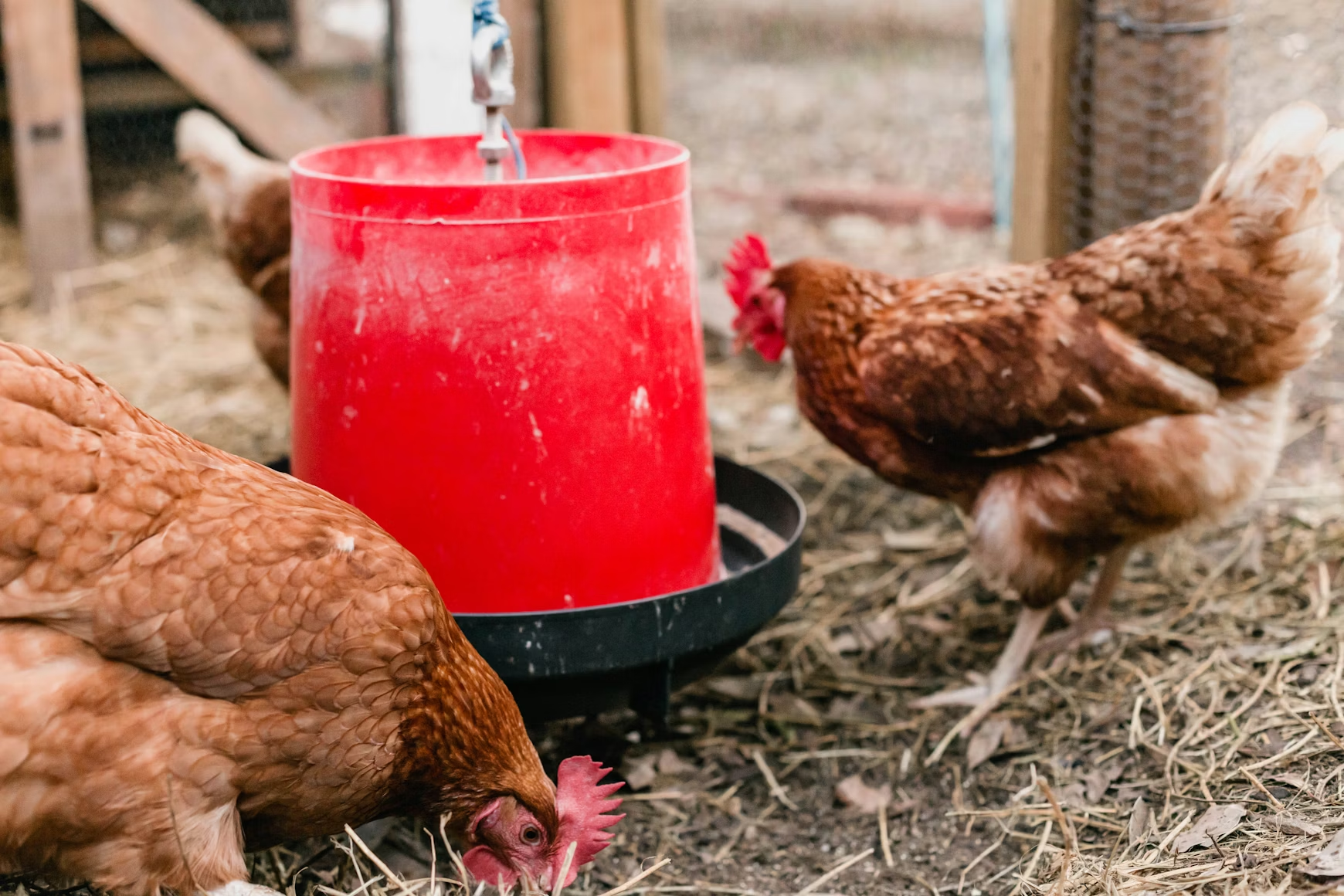

In the last several years, many poultry farmers have begun turning back to natural feed additives that strengthen health from the inside out. Among those additives, Sodium Humate has quietly become one of the most trusted. Though simple in appearance—a dark, fine powder—it brings a surprising number of benefits for broilers, layers, and breeders. Farmers who use it regularly often describe the same outcome: steadier growth, calmer birds, and a cleaner, healthier barn environment.
Sodium Humate is made from humic substances found in ancient organic deposits. When added to feed, it works mainly in the digestive system, where so much of a bird’s health begins. It binds harmful compounds, supports beneficial gut bacteria, and helps birds make better use of the nutrients in their diet. These effects may sound small on their own, but together, they improve the flock’s overall vitality in a noticeable way.
How Sodium Humate Helps Poultry
1. Creates a Cleaner, More Balanced Digestive Tract
Poultry digestive systems are extremely sensitive. Sudden changes in feed, low-quality ingredients, or stress can easily lead to loose droppings, poor feed absorption, and reduced growth. Sodium Humate acts like a natural stabilizer.
It binds toxins, harmful microbes, and excess acids, helping the gut stay calm and functional. Birds that receive it often show:
- Firmer, drier droppings
- Less digestive disturbance
- Better nutrient absorption
For broiler farmers, this often translates into an improved feed conversion ratio (FCR), which directly affects production costs.
2. Supports a Stronger Natural Immune Response
Young chicks, in particular, benefit from Sodium Humate because their immune system is still developing. Humic substances encourage immune cells to react more effectively when facing pathogens.
Farmers commonly report:
- Birds handling disease challenges better
- Improved response following vaccinations
- Lower mortality during stressful stages
Because of this, some farms use Sodium Humate as part of their long-term strategy to reduce reliance on antibiotics.
3. Encourages Steady, Healthy Growth
When digestion is efficient and immunity is strong, birds grow more uniformly. Broilers often show better body weight development and fewer setbacks. Layers may experience more stable feed intake, which supports better egg production over time.
The benefits are not dramatic overnight changes, but rather a quiet consistency that farmers notice week by week.
4. Helps Birds Cope With Stress
Poultry are easily affected by heat, transportation, feed transitions, and vaccination schedules. Stress can quickly disrupt digestion and immunity. Sodium Humate helps maintain metabolic balance during these periods, making birds more resilient.
During summer months or periods of heavy workload on the flock, the difference can be quite noticeable in flock behavior and performance.
5. Improves Litter Quality and Barn Conditions
One of the less obvious but very practical benefits of Sodium Humate is its effect on manure. Because nutrients are used more efficiently, less nitrogen and ammonia are released into the litter.
This leads to:
- Drier litter
- Reduced ammonia smell
- Fewer footpad issues
- A more comfortable barn environment for both birds and workers
Better litter conditions also help maintain bird health, as wet bedding is often the starting point of many problems.
Typical Usage Rates in Poultry Production
The exact dosage depends on purity and formulation, but commonly recommended ranges include:
- Broilers and Layers: 300–500 g per ton of feed
- Breeder flocks: 400–600 g per ton
- Drinking water (soluble grade): about 50–100 g per 1,000 liters
Producers may increase the rate slightly during periods of stress, heat waves, or early chick stages.
Why Poultry Farmers Adopt Sodium Humate Long Term
Farmers usually continue using Sodium Humate because it brings consistent, practical improvements:
- It’s natural and safe for long-term feeding
- Works well with probiotics, enzymes, and vitamin programs
- Helps reduce the need for antibiotic support
- Improves both bird performance and the barn environment
- Cost-effective with visible, steady results
It doesn’t act like a synthetic growth promoter, but rather strengthens the bird’s internal systems so they can perform closer to their natural potential.
Typical Price-per-Ton for Sodium Humate
| Market / Source / Region / Notes | Approximate Price / Ton (USD) |
|---|---|
| Exported from China — feed-grade / bulk powder (FOB Chinese port) | US$ 300–600/ton |
| China — some lower-end bulk listings | ~ US$ 225–470/ton |
| China — broader supplier range (various purities / grades) | ~ US$ 189–600/ton |
| International “feed / organic fertilizer grade” listings (global supply, from China/Asia) | ~ US$ 450–750/ton (for certain feed-grade powders) |
Why Price Varies — What to Watch Out For
The wide spread in quoted prices (from ~USD 200/ton to USD 750/ton or more) arises because:
- Purity / Humic-acid content — lower-purity or filler-mixed products cost less; higher-purity feed-grade humate costs more.
- Form & solubility (powder, flake, granular, water-soluble, feed-grade vs fertilizer-grade) — more processed or feed-ready forms are pricier.
- Order quantity and packaging — bulk orders (tons) reduce unit cost; small retail bags increase it.
- Shipping, export/import, and certification — exporting from China to other countries, or needing COA/certification, affects final landed cost strongly.
- Market fluctuations — raw material supply (leonardite/humate source), global demand, currency exchange, transport — all influence the price widely and frequently.
Because of these, publicly available prices are often just starting points; real cost will depend on your exact specs, order quantity, and delivery terms.
Conclusion
Sodium Humate is not a magic “cure-all,” but rather a natural, gentle, and effective helper that supports the overall health and performance of poultry. By improving digestion, supporting immunity, helping animals cope with stress, and promoting better feed efficiency, it offers a sustainable way to enhance flock health — especially in systems where you want to reduce reliance on antibiotics or synthetic growth promoters.
When used consistently and correctly (with good-quality product), farmers often notice steadier growth, fewer digestive problems, quieter flocks, and cleaner barns. Over time, those small advantages add up: better feed conversion, lower mortality or illness rates, and improved overall farm productivity and profitability. In short, Sodium Humate is a practical, cost-effective tool for poultry producers who aim for healthy, efficient and sustainable flocks.




Leave a Reply