

Sodium Humate as a Feed Additive in Animal Nutrition: Focus on Products with Lower Humic Acid Content
Sodium humate, the sodium salt derived from humic acids extracted primarily from natural sources such as leonardite, serves as an effective organic supplement in animal feed formulations. Leonardite, an oxidized form of lignite, undergoes varying degrees of humification, resulting in products with humic acid contents typically ranging from 40% to 70%. Variants with lower humic acid levels, often around 40% to 50%, originate from materials with a lesser degree of humification. These lower-grade options provide substantial benefits at a reduced cost, making them particularly suitable for large-scale livestock operations where economic efficiency is a priority.
Sources and Characteristics
Sodium humate is produced through alkaline extraction of humic substances from leonardite deposits. Products with lower humification degrees exhibit partial water solubility, commonly 80% to 90%, which facilitates incorporation into both dry and liquid feeds. Despite the reduced humic acid concentration compared to higher-purity grades (60% to 70%), these variants retain key functional groups, including carboxyl, phenolic hydroxyl, and methoxy groups. These structures enable ion exchange, adsorption, complexation, and buffering capacities essential for biological activity in animal physiology.
Mechanisms of Action
The efficacy of sodium humate in animal nutrition stems from multiple interconnected pathways. Sodium humate forms a protective layer on the gastrointestinal mucosa, shielding against toxin absorption from feed contaminants or pathogenic activity. This barrier reduces water loss through the intestine and mitigates inflammation. Additionally, its cation exchange capacity allows binding of heavy metals, mycotoxins, and harmful residues, facilitating their excretion and preventing cellular damage.
Sodium humate modulates the intestinal microbiome by favoring beneficial bacteria, thereby stabilizing gut flora and enhancing feed conversion ratios. Sodium humate promotes digestive enzyme secretion, activates metabolic processes, and improves nutrient permeability across cell membranes. Antioxidant and anti-inflammatory properties contribute to immune enhancement, including increased thymic activity and modulation of cellular and humoral responses. In metabolic regulation, it supports pH balance in the digestive tract, endocrine function, and overall stress resilience.
Research indicates that even lower-concentration products maintain these core mechanisms, albeit with moderated intensity relative to higher-grade alternatives. For instance, adsorption of ammonia reduces odor in manure and alleviates potential poisoning, while stimulation of collagen integrity strengthens intestinal tissue.
Applications and Benefits Across Livestock Species
Sodium humate demonstrates broad applicability across various animal production systems, with documented improvements in growth, health, and productivity.
In poultry, supplementation enhances egg production, eggshell strength, and broiler weight gain. Studies report increases in daily gain and feed efficiency, alongside reduced incidence of digestive disorders and respiratory issues. Lower-grade sodium humate supports these outcomes by improving nutrient digestibility and microbial balance.
For swine, it decreases diarrhea frequency, particularly in weanlings, and promotes faster growth rates. Enhanced muscle water retention contributes to improved meat quality and tenderness.
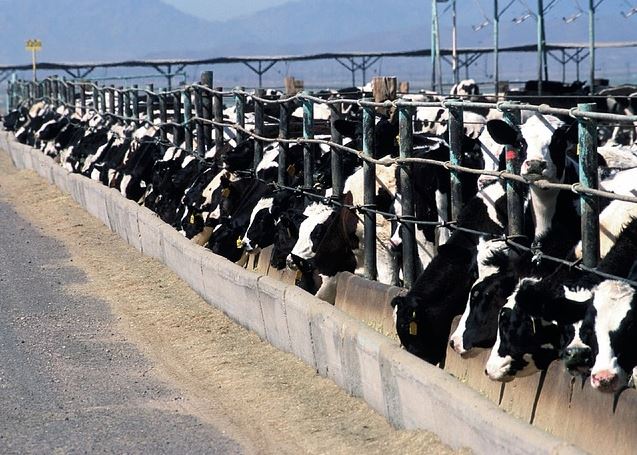
In ruminants such as cattle and sheep, dairy yields rise with better protein and mineral utilization, while beef production benefits from superior feed conversion and reduced metabolic disturbances. Hematological parameters, including serum proteins, show positive shifts.
Aquaculture applications include growth promotion, immune reinforcement, and water quality improvement through binding of ammonia, nitrites, and heavy metals.
Across species, weight gains of 5% to 15% are commonly observed, accompanied by lower morbidity and enhanced product quality, such as shinier coats and higher-value meat or milk.
Advantages of Lower Humic Acid Content Variants
Products with 40% to 50% humic acid offer a cost-effective alternative without substantial compromise on primary benefits. They provide adequate toxin binding, gut protection, and microbial support for routine feeding programs. Partial solubility ensures practical mixing, and their economic profile suits extensive farming systems. While higher-purity grades may yield more pronounced effects in intensive or challenged environments, lower-degree options align well with sustainable, broad-scale use.
Dosage Recommendations and Practical Considerations
Typical inclusion rates vary by species and product specification. For poultry, 0.3% to 1% of dry feed is recommended, with higher levels for young birds. Swine and larger animals benefit from 0.8% to 1%, while ruminants may require 3 to 6 kg per ton. In aquaculture, 2 to 5 kg per cubic meter of water addresses environmental toxins.
Administration occurs via direct feed mixing or dissolution in drinking water. Sodium humate exhibits low toxicity, non-corrosive properties, and environmental compatibility. Integration should involve veterinary oversight to tailor dosages and monitor performance metrics.
Product Variability and Quality Concerns
The composition of sodium humate varies significantly depending on the source material, such as leonardite or sapropel, and the degree of humification. Lower-grade variants, derived from less mature deposits, often exhibit reduced humic acid concentration and partial water solubility (typically 80% to 90%). This can lead to inconsistent performance, with diminished intensity in toxin binding, gut protection, and microbial modulation compared to higher-purity grades (60% to 70% humic acid).
Furthermore, natural sources may contain impurities, including heavy metals or residual toxins. Although feed-grade products require higher purity and lower toxin levels, inadequate processing in low-grade options increases the risk of contaminants. This necessitates rigorous quality testing to ensure safety and efficacy.
Potential Physiological and Nutritional Impacts
Certain studies have observed unintended effects on nutrient metabolism. For instance, administration via drinking water has been associated with decreased blood phosphorus levels in broiler chickens, potentially influencing bone health and overall metabolic balance. While the mechanisms remain under investigation, this highlights the importance of monitoring mineral status when using liquid forms.
Additionally, sodium humate‘s binding properties, while beneficial for detoxifying heavy metals and mycotoxins, may extend to essential nutrients. Excessive chelation could reduce bioavailability of minerals such as iron, zinc, or manganese, particularly in diets already marginal in these elements. In growing pigs, supplementation has shown altered nitrogen excretion patterns, with higher fecal nitrogen and lower urinary nitrogen, suggesting shifts in protein utilization that may not always align with optimal efficiency.
Lower-grade products, with fewer active functional groups, may exhibit amplified variability in these effects, potentially leading to suboptimal nutrient absorption in sensitive production phases.
Safety and Regulatory Aspects
Classified as a natural feed material in various jurisdictions, sodium humate with humic acid exceeding 40% meets criteria for animal nutrition use. Its non-toxic profile supports long-term application without residue concerns.
In conclusion, sodium humate, particularly variants with lower humic acid content derived from less humified sources, represents a versatile and economical additive for enhancing animal performance. By supporting digestion, immunity, and nutrient efficiency, sodium humate contributes to sustainable livestock management and improved production outcomes.


Leave a Reply