
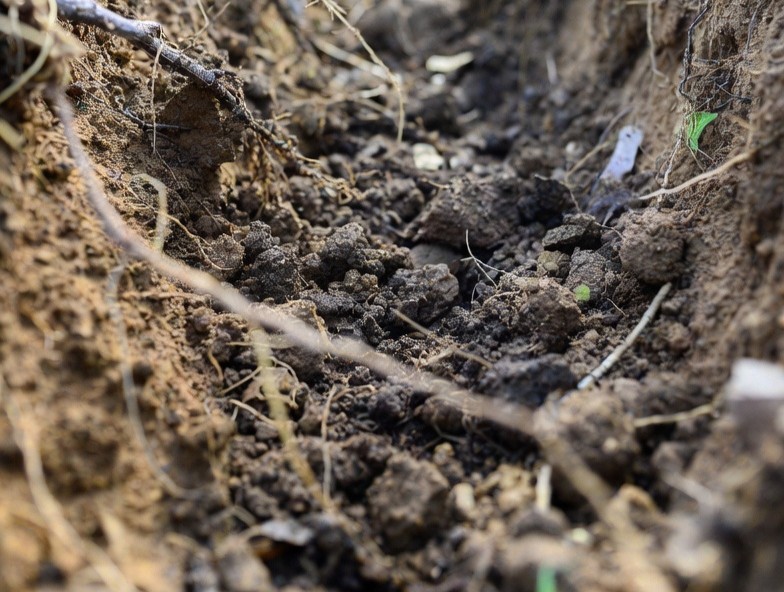

In the intricate world of soil science, agriculture, and environmental stewardship, humate emerges as a remarkable substance with roots stretching back millions of years. Derived from decomposed organic matter preserved in geological formations, humate serves as a potent enhancer for soil health, plant vitality, and even broader ecological applications. By drawing on established knowledge from agronomy and geology, we can appreciate how this natural resource contributes to sustainable practices in farming, landscaping, and remediation efforts. Whether you are a seasoned agronomist, a curious gardener, or an environmental specialist, understanding humate provides valuable insights into optimizing natural systems.
Defining Humate: A Core Concept in Organic Soil Management
At its core, humate refers to a class of organic materials rich in humic substances, which are the stable remnants of plant, animal, and microbial decomposition over vast geological timescales. These substances are typically extracted from ancient deposits such as leonardite—a oxidized form of lignite coal—or similar sedimentary layers formed in prehistoric wetlands and bogs. Humate is not merely decayed matter; it represents a concentrated, bioactive form of carbon that has withstood the test of time, offering enduring benefits to modern soils.
Unlike freshly composted organics that break down quickly and release nutrients in short bursts, humate is prized for its longevity. It can integrate into soil profiles for decades or even centuries, gradually improving structure and fertility. Commercially, humate is available in various formulations, including granular powders for soil incorporation, liquid extracts for foliar applications, or even as salts like potassium humate for enhanced solubility. In geological terminology, humate might describe mineral-rich strata impregnated with humic acids, but in practical agronomic contexts, it underscores a biostimulant role—stimulating biological activity without being a fertilizer itself.
This distinction is crucial: humate does not supply nutrients directly like nitrogen or phosphorus sources do. Instead, it acts as a facilitator, unlocking existing soil resources and enhancing the efficiency of added amendments. For instance, in regions with nutrient-poor or compacted soils, humate‘s introduction can transform marginal land into productive terrain, supporting higher crop yields and healthier ecosystems.
The Chemical Composition: Breaking Down the Building Blocks
Humate‘s efficacy stems from its complex chemical profile, dominated by three primary humic fractions: humic acid, fulvic acid, and humin. Each plays a specialized role, contributing to the overall functionality of humate in soil environments.
- Humic Acid: As the largest molecular component, humic acid features long chains of carbon-based structures that are insoluble in acidic conditions but dissolve readily in alkaline solutions. This property allows it to bind with soil particles, forming stable aggregates that improve soil tilth—its physical condition for plant growth. Humic acid also excels in chelation, where it forms complexes with micronutrients like iron, zinc, and manganese, preventing them from becoming unavailable in high-pH soils. Furthermore, it can sequester environmental contaminants, such as heavy metals, aiding in the detoxification of polluted sites.
- Fulvic Acid: With smaller molecules, fulvic acid remains soluble across a broad pH spectrum, making it highly versatile. It penetrates plant cell walls more easily, facilitating the transport of essential minerals directly into roots and foliage. This enhances nutrient uptake efficiency, often reducing the need for synthetic fertilizers by 20-30% in field trials. Fulvic acid also boosts microbial populations by providing a readily available carbon source, which in turn accelerates organic matter cycling and pathogen suppression.
- Humin: The most recalcitrant fraction, humin is largely insoluble and binds tightly to mineral surfaces, contributing to long-term soil carbon storage. It supports sustained microbial habitats and helps maintain soil moisture by improving water-holding capacity, particularly in arid or sandy terrains.
Overall, humate’s elemental composition includes high levels of carbon (often 50-70%), along with oxygen, hydrogen, nitrogen, sulfur, and trace elements. These form aromatic rings and aliphatic chains, creating a sponge-like matrix that interacts dynamically with soil ions. The inherent alkalinity of many humate products (pH around 8-10) further aids in neutralizing acidic soils, promoting balanced conditions for root development.
The Geological and Biological Formation of Humate
The story of humate‘s creation is one of patience and transformation, unfolding over eons in environments shielded from rapid decay. It begins with the accumulation of biomass—fallen leaves, woody debris, and microbial remains—in oxygen-limited settings like swamps, lakes, or floodplains. Here, anaerobic bacteria and fungi initiate humification, a biochemical process that polymerizes simple organic compounds into complex, resistant humic structures.
As sediments build up, burial under layers of earth applies mild heat and pressure, converting the material into lignite or leonardite deposits without reaching the coal stage. This preservation locks in the organic integrity, preventing full mineralization into carbon dioxide. Factors influencing humate quality include the original vegetation (e.g., coniferous forests yield more acidic humates), climate during deposition (wetter conditions favor higher humic content), and post-formation weathering, which can concentrate bioactive acids.
Comprehensive Benefits: From Soil Enhancement to Environmental Protection
Humate‘s advantages extend across multiple dimensions, making it a versatile tool for addressing contemporary challenges in agriculture and ecology.
Optimizing Soil Structure and Water Management
By promoting flocculation—the clumping of fine particles—humate alleviates soil compaction, enhancing aeration and drainage in heavy clays while increasing retention in loose sands. This balanced porosity supports deeper root systems, reducing erosion and improving drought resistance. In water-scarce regions, humate-amended soils can hold up to 20 times their weight in moisture, minimizing irrigation needs and conserving resources.
Boosting Nutrient Dynamics and Plant Nutrition
Chelation by humic substances renders locked-up nutrients accessible, countering deficiencies in alkaline or leached soils. Humate also stimulates nitrogen-fixing bacteria and mycorrhizal fungi, fostering symbiotic relationships that enhance phosphorus uptake. Research demonstrates yield increases of 10-25% in crops like corn, wheat, and vegetables when humate is integrated into fertility programs, often allowing for reduced chemical inputs.
Fostering Microbial Ecosystems and Plant Resilience
As a prebiotic for soil life, humate fuels beneficial microbes, accelerating decomposition and nutrient cycling while inhibiting harmful pathogens through competitive exclusion. For plants, it induces systemic resistance, upregulating genes for antioxidant production and stress tolerance. This proves invaluable against abiotic stresses like salinity, extreme temperatures, or herbicide residues, promoting robust growth in challenging conditions.
Applications in Environmental Remediation and Sustainability
Humate‘s binding capacity extends to pollutants, immobilizing toxins like lead, cadmium, or pesticides in contaminated soils. In mine tailings or industrial sites, it facilitates phytoremediation—using plants to clean up—by supporting vegetation establishment. Additionally, humate contributes to carbon sequestration, locking atmospheric CO2 into stable soil pools, aligning with climate mitigation strategies.
Practical Applications Across Industries
Humate’s utility spans diverse fields, with tailored approaches maximizing its impact.
- Agriculture and Crop Production: Incorporated at rates of 100-500 kg per hectare, humate enhances seed germination, root vigor, and harvest quality. Foliar sprays during growth stages amplify these effects, particularly in organic farming systems.
- Horticulture and Landscaping: In gardens and turf, humate decomposes thatch, greens lawns, and revitalizes ornamentals. Golf courses and parks often use it to maintain aesthetic appeal with minimal synthetic aids.
- Animal Husbandry and Aquaculture: Added to feeds, humate improves digestion and immunity in livestock, while in fish ponds, it clarifies water and supports algal balance.
- Industrial and Remedial Uses: Beyond agriculture, humate features in drilling muds for oil extraction, wastewater treatment for flocculation, and even cosmetics for its antioxidant properties.
Selecting high-quality humate involves verifying source purity and activation levels; not all raw materials yield bioavailable products.
Clarifying Distinctions: Humate vs. Related Soil Components
To avoid misconceptions, it is important to differentiate humate from akin terms.
- Humus: This encompasses all organic matter in soil, including fresh and partially decomposed residues. Humate, conversely, isolates the humic essence for targeted application.
- Humic Acid: A subset of humate, focusing on the acid-soluble fraction, whereas humate includes associated salts and minerals.
- Compost or Manure: These provide quick-release nutrients but lack humate’s stability, often requiring repeated applications.
- Biochar: While both sequester carbon, biochar is pyrolyzed wood with a more inert structure, complementing rather than replacing humate.
Historical Context and Future Prospects
Humate’s use traces back to ancient civilizations, where indigenous peoples amended soils with peat-like materials. Modern recognition surged in the 20th century with Soviet-era research on humic extracts for boosting collectivized agriculture. Today, amid global soil degradation affecting one-third of arable land, humate offers a bridge to regenerative practices, reducing reliance on synthetics and supporting biodiversity.
Looking ahead, innovations like nano-humates or blended biostimulants promise even greater precision. As climate change intensifies, humate’s role in resilient farming systems will likely expand, underscoring its timeless value.
Final Thoughts
Humate stands as a testament to nature’s ingenuity, transforming ancient decay into a modern asset for soil vitality and environmental health. Its multifaceted contributions—from structural improvements to pollutant mitigation—position it as an essential element in sustainable land management. Practitioners are advised to conduct soil analyses prior to application, ensuring optimal integration and measurable outcomes. By harnessing humate’s potential, we can cultivate more productive, resilient landscapes for generations to come.




Leave a Reply