

Humate, derived from ancient organic deposits such as leonardite and brown coal, represents a class of natural compounds rich in humic and fulvic acids. These substances have long been recognized for their capacity to influence various biological and environmental processes positively. In agriculture, environmental management, animal husbandry, and even certain medical applications, humate offers a range of advantages that stem from its unique chemical properties, including high cation exchange capacity and chelation abilities. This discussion delves into the multifaceted benefits of humate, supported by empirical observations and scientific studies, to provide a thorough understanding of its practical value. By examining its impacts on soil health, plant growth, livestock performance, and human therapeutics, we can appreciate how humate contributes to sustainable practices across diverse sectors.
Soil Health Improvements
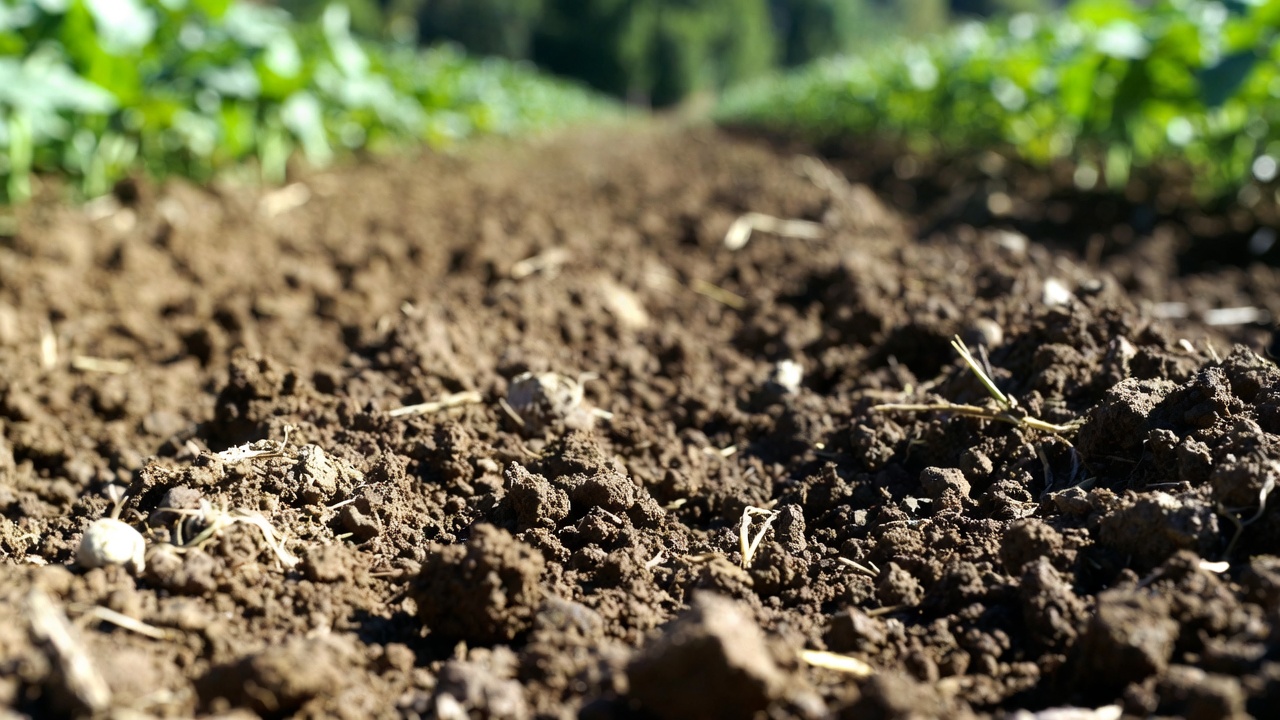
One of the primary benefits of humate lies in its ability to enhance soil structure and fertility. Humate acts as a binding agent that promotes soil aggregation, leading to improved porosity and aeration. This structural enhancement facilitates better water infiltration and reduces the risk of erosion, particularly in compacted or degraded soils. In addition, humate increases the soil’s water-holding capacity, functioning much like a sponge to retain moisture during dry periods, which is especially advantageous in arid farming regions. Such properties not only support immediate crop needs but also contribute to long-term soil resilience against environmental stresses.
Furthermore, humate plays a crucial role in nutrient retention. Its high cation exchange capacity allows it to bind essential elements like nitrogen, phosphorus, and potassium, preventing leaching and making them available for gradual release to plants. This mechanism reduces the dependency on synthetic fertilizers, as humate unlocks nutrients already present in the soil, thereby optimizing resource use and minimizing environmental runoff. Over time, consistent application of humate can elevate soil organic matter levels, fostering a more balanced pH and reducing the availability of toxic substances. These chemical modifications create a stable foundation for microbial activity, which is essential for organic matter decomposition and nutrient cycling.
In practical terms, soils treated with humate exhibit greater stability against compaction, improved drainage in clay-heavy areas, and enhanced moisture retention in sandy soils. This versatility makes humate a valuable tool for soil remediation in post-industrial or over-farmed lands, where it aids in restoring fertility and supporting biodiversity.
Advantages for Plant Growth and Crop Yields
Humate‘s influence extends directly to plant physiology, where it stimulates root development and overall growth. By chelating micronutrients such as iron, zinc, and manganese, humate ensures their bioavailability, even in alkaline or nutrient-deficient soils. This leads to stronger root systems, with increased length, density, and radius, enabling plants to access deeper water and nutrient reserves. Consequently, plants demonstrate improved resistance to stresses like drought, salinity, and heavy metal exposure.
In terms of photosynthetic efficiency, humate promotes chlorophyll synthesis and antioxidant production, which enhances energy accumulation and cell division rates. Field trials have shown that humate application can boost crop yields by 10-20%, with notable improvements in protein, fiber, and sugar content. For instance, in cereal and vegetable cultivation, humate accelerates seed germination and flowering, while also increasing fruit and seed filling. These biological stimulations result in healthier plants that require fewer chemical inputs, aligning with sustainable agricultural goals.
Moreover, humate induces beneficial stress responses in plants, known as eustress, which heighten nutrient and water uptake while bolstering defenses against pathogens. This not only improves immediate growth metrics but also contributes to higher-quality produce, making humate an essential component in organic and regenerative farming systems.
Contributions to Agricultural Efficiency
In broader agricultural contexts, humate enhances fertilizer utilization by stabilizing applied nutrients and reducing losses through leaching or volatilization. When combined with products like urea or phosphates, humate can improve uptake efficiency by 30-50%, allowing farmers to apply lower doses without compromising yields. This cost-saving aspect is particularly relevant in intensive farming, where it also buffers against the acidic effects of certain fertilizers.
Humate supports microbial diversity in the rhizosphere, acting as a carbon source that encourages beneficial bacteria and fungi. This microbial proliferation aids in disease suppression and nutrient mineralization, leading to healthier crops and reduced pesticide needs. In horticulture and turf management, humate is used to promote germination, root vigor, and stress tolerance, resulting in more robust landscapes and higher economic returns. Overall, these efficiencies translate to increased production quality and sustainability, with humate proving invaluable in both conventional and organic operations.
Benefits in Animal Health and Nutrition
Beyond crop systems, humate offers significant advantages in animal husbandry. When incorporated into feed, sodium humate stabilizes intestinal flora, improving digestion and feed conversion ratios. Studies indicate weight gains of 5-15% in livestock such as cattle, pigs, and poultry, attributed to enhanced nutrient absorption and reduced toxin uptake. Humate forms a protective lining in the gastrointestinal tract, preventing dehydration and inhibiting pathogens like E. coli and Salmonella.
Additionally, humate detoxifies heavy metals and mycotoxins in feed, while chelating minerals for better bioavailability. This supports immune function, accelerates healing, and reduces manure odor, contributing to cleaner farming environments. In aquaculture, potassium humate maintains water quality and promotes growth, further demonstrating its versatility. These health improvements lead to lower veterinary costs and higher productivity, making humate a practical additive for animal welfare.
Scientific Evidence Supporting Humate Benefits
Empirical research substantiates humate‘s advantages. Agricultural studies demonstrate enhanced nutrient uptake and yield improvements in diverse crops. Veterinary trials confirm its antimicrobial and growth-promoting effects in animals. Medical data affirm Humate-P’s hemostatic reliability. However, benefits vary with source quality and application methods, emphasizing the need for standardized products.
Potential Limitations and Considerations
Despite its merits, humate application demands moderation to avoid pH disruptions or nutrient imbalances. Contaminant testing is essential, and site-specific assessments ensure optimal use. In medical settings, patient monitoring mitigates risks.
Conclusion
Humate‘s benefits encompass soil enhancement, plant stimulation, agricultural optimization, animal health support, and medical therapy, positioning it as a versatile natural resource. Through its contributions to sustainability and efficiency, humate aids in addressing contemporary challenges in food production and health management. Continued research will likely refine its applications, ensuring broader adoption for environmental and economic gains. Professionals in these fields are advised to integrate humate based on evidence-driven strategies to realize its full potential.




Leave a Reply