
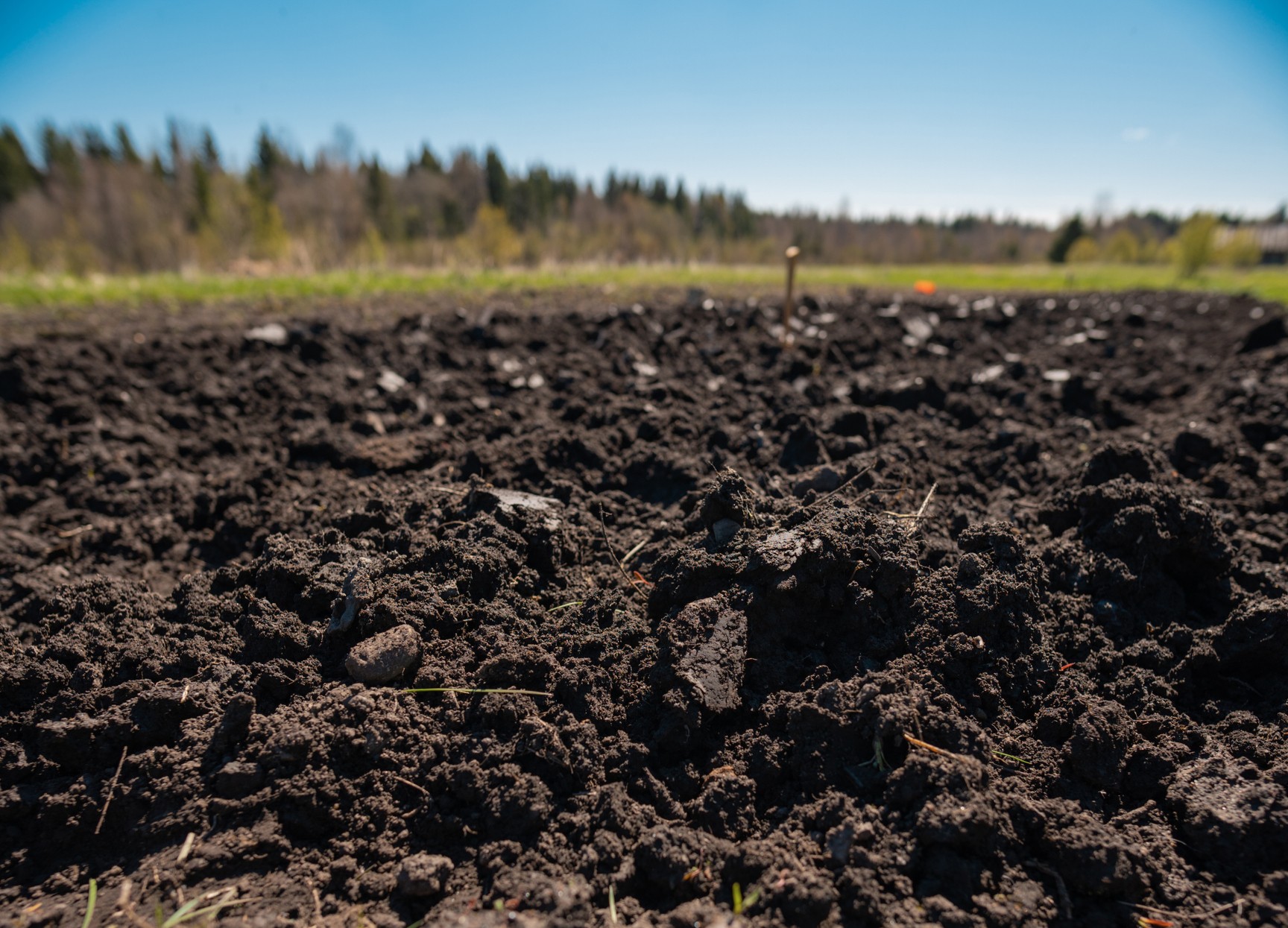

Sodium humate represents a versatile, water-soluble organic material sourced from humic substances, frequently employed in agricultural settings to condition soil and facilitate better nutrient absorption by plants. This compound is readily accessible through numerous online vendors, accommodating both individual retail buyers and those seeking wholesale quantities. Products typically come in formats such as fine powders, crystalline flakes, or spherical balls, each suited to different applications. In selecting a supplier, it is prudent to focus on those offering comprehensive details about the product, such as the percentage of humic acid—preferably in the range of 50 to 80 percent—along with assessments of purity and formal certificates of analysis. These elements are essential to guarantee the product’s effectiveness and adherence to relevant agricultural or industrial standards.
Key Considerations When Selecting Sodium Humate Products
To align your purchase with specific needs—be it for enhancing soil fertility in farming, serving as additives in animal feed, or addressing industrial requirements like water treatment—several criteria warrant careful evaluation. These guidelines help in distinguishing high-quality options from subpar alternatives, ultimately supporting more sustainable and productive outcomes in your intended use.
- Humic Acid Concentration and Overall Purity: The core effectiveness of sodium humate stems from its humic acid component, so prioritize selections boasting at least 50 to 70 percent humic acid for robust biological activity. This level ensures strong performance in tasks like chelating nutrients or stimulating microbial growth in soil. To confirm purity, request or review laboratory certifications provided by the supplier, which should detail the absence of contaminants or fillers. Avoiding adulterated products is crucial, as impurities can diminish efficacy or introduce unintended effects, such as altering soil pH undesirably.
- Product Form and Method of Extraction: The physical form of the sodium humate influences its ease of application and integration into your processes. Powders are particularly effective for direct soil mixing or creating custom blends, offering fine dispersion. Flakes, on the other hand, dissolve readily in water, making them ideal for use in fertigation systems where uniform distribution is key. Balls provide a slow-release mechanism, beneficial for long-term soil amendments in larger fields. Regarding extraction, favor products derived from premium sources like leonardite, a naturally oxidized lignite known for yielding superior solubility and consistent quality compared to other deposits. This choice often results in a more stable and bioactive end product.
- Alignment with Intended Use and System Compatibility: Tailor your selection to the primary application. For agricultural soil enhancement, verify that the product complements existing fertilizers, such as NPK formulations, without causing precipitation or clogging in irrigation equipment. In animal husbandry, opt for feed-grade variants that are certified safe for ingestion, aiding in digestion or toxin binding. Industrial users might require grades optimized for wastewater purification or heavy metal removal. Always assess compatibility through supplier data sheets, and consider conducting small-scale tests to ensure seamless integration with your setup.
- Pricing Structures and Minimum Order Requirements: Costs for sodium humate can vary significantly based on refinement and quantity. Basic powder forms might start at around 45 Indian Rupees (INR) per kilogram, while more processed flakes or specialized grades could command higher prices due to enhanced purity or packaging. For wholesale procurement, be mindful of minimum order thresholds, which frequently begin at 100 kilograms for mid-sized suppliers and escalate to 10 tons or more for bulk operations. Comparing unit prices across vendors, including any volume discounts, can help optimize expenditures, especially for large-scale agricultural or industrial needs.
- Evaluation of Supplier Reliability and Support: Choose vendors with a track record of positive customer feedback, transparent policies on returns or refunds, and secure transaction methods or credit card processing. For cross-border purchases, inquire about shipping logistics, including estimated delivery times—often ranging from a few days domestically to several weeks internationally—and potential customs duties. Reliable suppliers should also offer responsive customer service for queries on product customization or technical advice, fostering confidence in the transaction.
Adhering to these principles enables the acquisition of sodium humate that not only meets immediate requirements but also contributes to long-term benefits, including improved soil structure, enhanced plant resilience, and reduced environmental impact through efficient nutrient use.
Purchasing Process for Sodium Humate
The following provides a detailed outline of the purchasing process, structured step by step for clarity and efficiency. The company primarily accommodates wholesale orders and does not facilitate direct online sales, thus emphasizing communication and negotiation in the procedure.
- Prepare Request Information: Compile specific product details, including the type of sodium humate (e.g., powder, flakes, or crystals), desired purity level (typically 50–80% humic acid), quantity (with minimums often applicable for wholesale), delivery address, and any additional requirements (such as samples or quality certifications). This preparation enables the supplier to deliver a precise quotation.
- Contact the Supplier: Initiate the inquiry through one of the following channels:
- Email, Facebook,…
- Receive Quotation and Samples: The supplier will provide a quotation based on factors such as purity, volume, and other specifications. If required, request samples for quality verification. Responses are typically issued within a few business days.
- Confirm the Order: Review the quotation and engage in further discussions as needed (e.g., regarding payment terms or production timelines). Finalize the order by executing a contract or issuing an official confirmation via email.
- Process Payment and Arrange Shipping: Complete payment in accordance with the agreed terms (commonly via bank transfer or international methods). The company will coordinate international shipping, including any necessary customs procedures, with delivery timelines varying by location (generally 2–4 weeks for wholesale orders).
- Receive and Inspect the Goods: Upon delivery, verify the quality and quantity against the order specifications. Should any discrepancies arise, contact the supplier promptly for after-sales assistance. The company maintains order records for up to four years to support ongoing needs.
Sodium Humate Prices by Country
Sodium humate prices vary significantly across countries due to factors such as production costs, import duties, purity levels (typically 50–80% humic acid), quantity (bulk wholesale versus retail), and product form (e.g., powder, flakes, or granules). The following summary provides approximate price ranges per kilogram in USD, based on current wholesale and retail data as of 2025. These figures are indicative and may fluctuate; for precise quotations, direct consultation with suppliers is recommended. Prices are derived from global market sources, with bulk orders generally offering lower rates.
The price of sodium humate per ton varies based on factors such as product grade, purity (typically 50–80% humic acid), form (e.g., powder, flakes, or granules), and supplier location. Based on available wholesale data, prices generally range from $300 to $2,000 USD per metric ton, with most agricultural and feed-grade options falling between $450 and $750 USD per ton. For precise quotations tailored to specific requirements, contacting suppliers directly is recommended, as market conditions may influence final costs.



Leave a Reply