
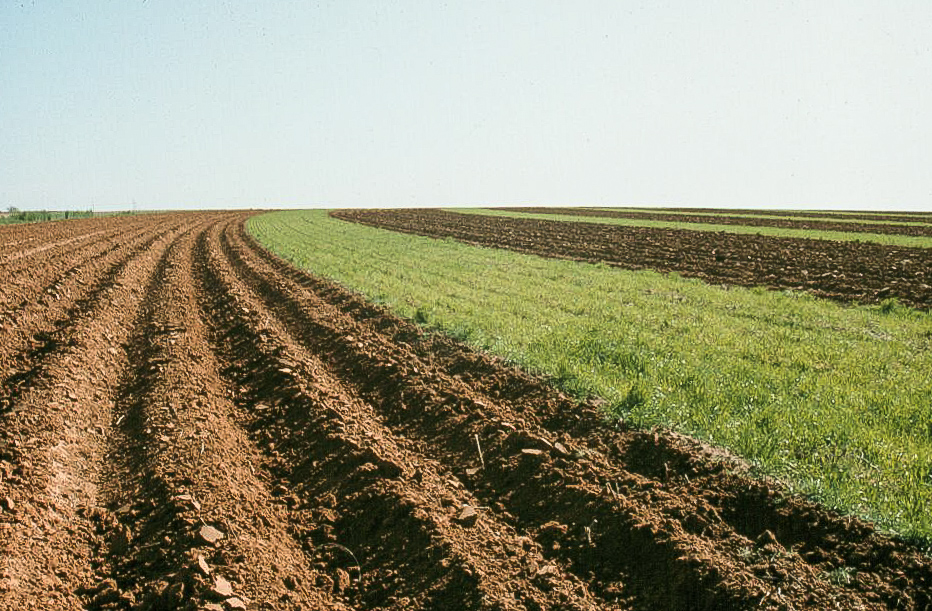

Sodium humate is a water-soluble organic material that comes from humic substances, essentially the sodium form of humic acid. It’s pulled from natural deposits like leonardite, lignite, or peat through extraction processes. In farming, sodium humate acts as a multi-purpose soil enhancer and fertilizer booster, helping to build better soil, improve how plants take in nutrients, and lift overall crop results. Beyond that, sodium humate plays a role in making farming more sustainable by getting the most out of fertilizers, cutting down on waste, and supporting healthier ecosystems in the soil.
Composition and Chemical Makeup
At its core, sodium humate is built around humic acid, usually making up 50–80% of its weight, mixed with sodium ions to create an easy-to-dissolve salt. Commercial versions often feature a mix of elements that make it effective for farm use. For instance:
- Organic Matter: It has a lot of humic and fulvic acids, which are the active parts that drive its biological effects, helping with things like nutrient binding and soil improvement.
- Sodium Content: Around 8–12% sodium oxide (Na₂O), which boosts its ability to dissolve in water but needs watching to avoid adding too much salt to the soil over time.
- pH Level: Typically on the alkaline side, between 8 and 10, so it’s great for fixing up acidic soils by bringing the pH closer to neutral.
- Trace Elements: Many products come with built-in micronutrients like iron, zinc, and manganese that are already chelated—meaning they’re bound in a way that’s easy for plants to grab and use.
The structure includes groups like carboxyl and phenolic ones, which let it grab onto nutrients and interact well with soil particles. This sets it apart from something like potassium humate, which does similar jobs but swaps sodium for potassium, making it a better fit in some scenarios where potassium is needed more. Extraction often involves alkaline solutions to pull it from raw materials, and the quality can vary based on the source—leonardite tends to give a purer form compared to lignite.
Main Properties That Make It Useful
Sodium humate has a set of characteristics that really shine in agricultural settings, making it a go-to for improving soil and plant health. Here’s a closer look:
- Excellent Solubility: It mixes completely into water without leaving any residue or clumps, which is perfect for spraying on leaves or adding to irrigation lines.
- Nutrient Binding (Chelation): It latches onto key nutrients, stopping them from getting stuck in the soil where plants can’t reach them, and instead makes them more available for uptake. This is especially helpful for elements like phosphorus that often lock up in certain soil types.
- Soil Conditioning Effects: It helps soil particles clump together better, boosting water-holding capacity and air flow, which is a big win for compacted clays or loose sands that drain too fast.
- pH Balancing: By acting as a buffer, it can neutralize overly acidic soils, creating a more ideal environment for nutrients to be accessible to plant roots.
- Biological Activity: It revs up the microbes in the soil around plant roots (the rhizosphere), leading to a healthier underground ecosystem that breaks down organic matter and cycles nutrients more efficiently.
These properties come together to make sodium humate a natural ally in tackling common farming challenges, like poor soil quality or inefficient fertilizer use.
How It’s Applied in Farming
Sodium humate fits into a variety of agricultural setups, from large-scale crop fields to smaller horticultural operations and even integrated systems that combine plants and animals. It’s often used to amp up other fertilizers or as a standalone product.
| Application Method | Description | Benefits |
|---|---|---|
| Soil Incorporation | Worked directly into the soil before planting, either by tilling or broadcasting. | Builds long-term soil structure, ramps up fertility, and supports stronger root systems from the start. |
| Foliar Spray | Mixed into a solution and sprayed onto plant leaves during the growing season. | Allows for quick nutrient delivery right where the plant needs it, helping with stress recovery and growth boosts. |
| Irrigation/Fertigation | Added to water in drip, sprinkler, or hydroponic systems for even distribution. | Gets nutrients straight to the roots efficiently, ideal for dry areas or precision farming setups. |
| Seed Treatment | Seeds are soaked or coated with a dilute solution before sowing. | Kick-starts germination, leads to healthier seedlings, and gives early protection against stresses. |
In practice, it’s frequently paired with nitrogen or phosphorus fertilizers to make them more effective, which can cut down on how much you need to apply overall—saving costs and reducing runoff. While its main focus is on crops, it also shows up in animal farming as a feed supplement to aid digestion and health in livestock, like improving gut function in poultry or cattle, though that’s more of an extension beyond pure plant agriculture.
Benefits for Crops, Soil, and Sustainable Practices
Sodium humate brings a range of positive effects to farming, backed by how it works with soil, plants, and nutrients. Let’s break it down further:
- Better Nutrient Uptake: By chelating minerals, sodium humate makes elements like phosphorus, nitrogen, and micronutrients easier for plants to absorb, which can lead to healthier growth and higher yields. For example, in nutrient-poor soils, this can make a noticeable difference in crop performance.
- Stronger Root Development: It encourages roots to grow deeper and more extensively, cutting down on issues like root rot and helping plants stand up better to dry spells or salty conditions.
- Improved Soil Quality: Adding to organic matter levels, sodium humate enhances how well soil holds water and supports life, which is crucial for turning around worn-out or low-fertility lands. This also boosts microbial communities that naturally enrich the soil.
- Higher Yields and Better Produce: Research points to yield bumps of 10–20% in staples like grains or veggies, plus improvements in quality—think bigger fruits, better flavors, or longer shelf life.
- Eco-Friendly Impacts: It helps keep fertilizers from leaching into waterways, lowering pollution risks and aligning with greener farming methods that use resources more wisely.
In niche areas, like poultry operations, adding it to feed has been linked to more eggs and better hatching rates, showing its broader potential in farm systems.
Practical Tips and Considerations
Using sodium humate effectively means thinking ahead about your specific setup. Start with soil tests to check pH and sodium levels—this prevents buildup that could cause salinity problems, especially in dry climates where salt accumulates easily. It usually plays nice with other fertilizers, actually making them work better, but in soils already high in sodium, you might need to dial it back or switch to a potassium version.
When sourcing, go for products with solid humic acid percentages from reliable makers, and look for lab certifications to ensure purity. Regulations can differ by region, so check local rules on organic inputs or fertilizer blends. Storage-wise, keep it dry and cool to maintain its effectiveness, and always follow label instructions for mixing to avoid any clogs in equipment.
Tips for Selecting the Right Products
When evaluating potassium fulvate or sodium humate fertilizers, focus on key attributes such as composition, purity, solubility, and compatibility with your specific agricultural needs. These factors ensure optimal performance in soil conditioning, nutrient chelation, and crop yield improvement:
- Assess Humic and Fulvic Acid Content: Prioritize products with high concentrations of active ingredients. For potassium fulvate, aim for at least 50–60% humic acid and 10–15% fulvic acid, as these levels support effective nutrient uptake and soil structure enhancement. Similarly, for sodium humate, seek formulations with 50–80% humic acid to maximize bioactivity. Lower concentrations may indicate dilution or inferior quality.
- Evaluate Extraction Method and Form: Opt for products extracted using potassium hydroxide, particularly for organic applications, as this method yields a form that is more plant-compatible and environmentally acceptable compared to other extractants. Choose between powder, flake, granule, or liquid forms based on your application—powders are suitable for soil incorporation, while liquids excel in foliar sprays or fertigation.
- Check Purity and Avoid Adulteration: Verify product purity through certificates of analysis from suppliers, ensuring minimal impurities or fillers. Be cautious of adulteration, such as substitution with sodium humate in potassium-based products, which can reduce efficacy and introduce unwanted salinity. Potassium-based variants are generally preferred over sodium ones for plant transport efficiency, as potassium serves as a key ion in cellular processes.
- Consider Solubility and Compatibility: Select highly soluble options that dissolve fully in water, acids, or alkalis without precipitation, ensuring compatibility with irrigation systems and other fertilizers. Test for integration with NPK fertilizers or micronutrients to avoid incompatibilities during formulation.
- Differentiate Between Variants: Understand the distinctions—potassium fulvate offers superior solubility and rapid absorption due to its lower molecular weight, making it ideal for quick nutrient delivery, whereas sodium humate is better suited for long-term soil conditioning in acidic environments but may contribute to soil salinity if overused. For liquid humates, ensure at least 12% humic acid content for substantial impact.
- Review Supplier Credentials and Testing: Source from manufacturers with verifiable quality controls, such as those providing lab-tested specifications for organic matter, pH (typically 8–10 for alkalinity), and trace elements. Conduct soil tests prior to selection to match the product to your field’s pH and nutrient profile.
By adhering to these guidelines, you can select products that align with sustainable agricultural goals, potentially increasing crop yields by 10–30% through improved nutrient efficiency.
Wrapping It Up
Overall, sodium humate stands out as a reliable tool in agriculture for bolstering soil health, nutrient use, and crop output. As a conditioner and enhancer, it fits right into today’s push for sustainable practices that balance productivity with environmental care.



Leave a Reply