

Sodium humate, a water-soluble salt obtained from humic acid and commonly sourced from natural deposits like leonardite or lignite, has become increasingly valued as a feed additive in animal husbandry practices. This substance demonstrates a variety of characteristics that aid in promoting digestion, bolstering immunity, and supporting general well-being among livestock, poultry, and other animals. Its role in animal feed stems from its interactions with biological and chemical components, which help enhance nutrient uptake and lessen the dependence on artificial supplements. Over time, farmers and researchers have noted its potential to contribute to more sustainable and efficient animal production systems, particularly in intensive operations where health challenges can arise frequently.
Applications in Animal Feed
Sodium humate plays diverse roles in animal feed setups, showcasing its adaptability in improving both nutritional profiles and health results for a range of species. Its integration into feeding regimens can vary based on the specific needs of the animals and the farming context.
- It is frequently added directly to dry feed blends or mixed into drinking water, where it facilitates detoxification and chelation, proving especially useful in high-density farming for poultry, swine, and cattle by helping to manage toxin buildup and support overall metabolic functions.
- In poultry nutrition, particularly for broiler chickens, sodium humate is incorporated to encourage better growth and balance gut microbiota. Typical dosages include 0.25% to 0.5% in solid feed or 25-50 mL per liter in water solutions, which can lead to noticeable improvements in feed efficiency and reduced stress during growth phases.
- For ruminants such as cattle and sheep, it is applied to optimize rumen fermentation processes, increase feed conversion rates, and lower the occurrence of digestive issues. Administration often occurs via premixed feeds or as part of mineral licks, with adjustments made according to herd size and production goals.
- In pig farming, sodium humate aids gut integrity by capturing toxins and enhancing nutrient assimilation, making it suitable for various diet stages like starters, growers, and finishers. This helps curb diarrhea episodes and promotes steadier weight gains, which is critical in commercial swine operations.
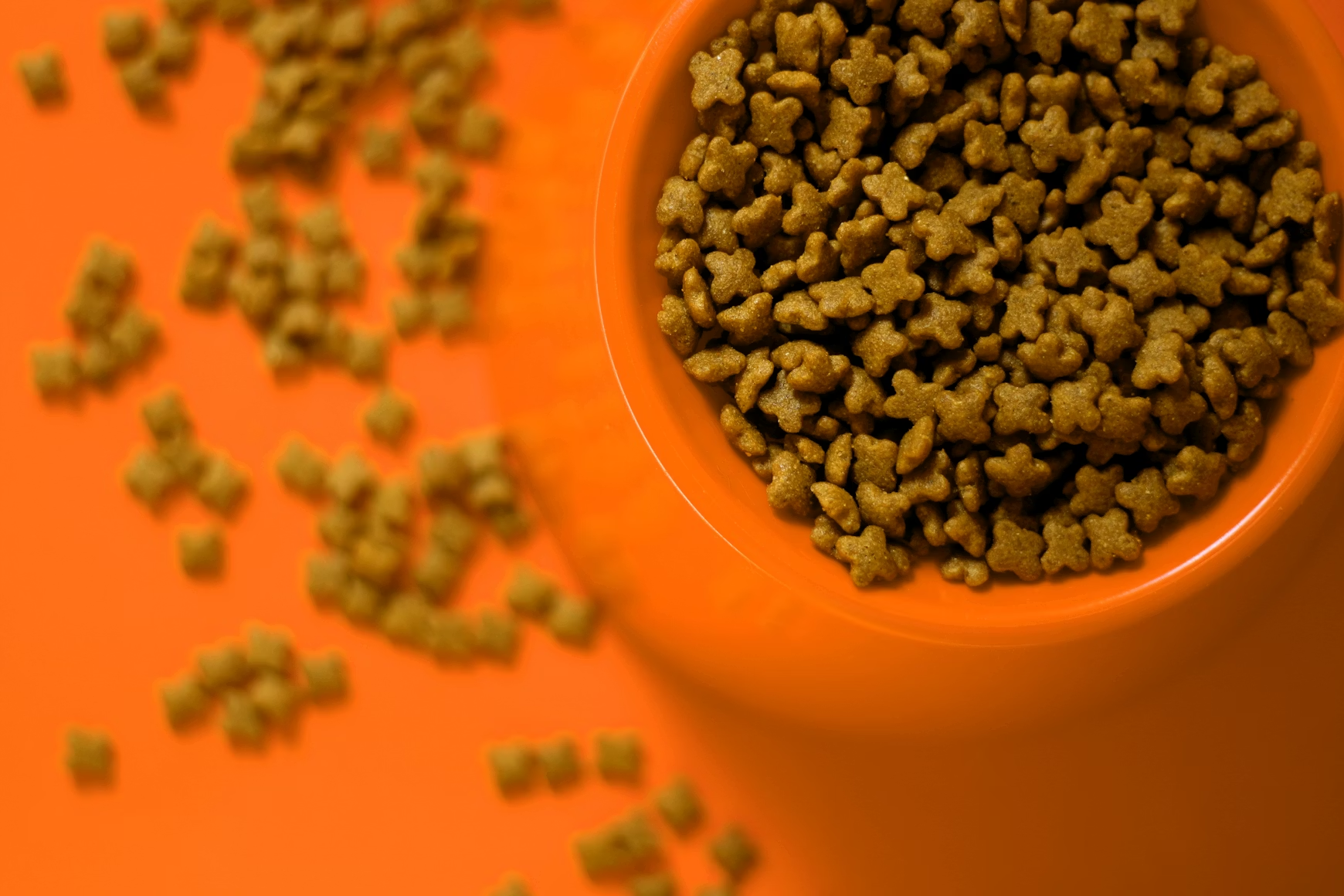
- Sodium Humate extends to pet food recipes for dogs and cats, offering immune reinforcement and detox support at reduced levels to suit their smaller statures and different metabolic rates, ensuring it complements rather than overwhelms their daily intake.
- On a practical level, recommended dosages differ by species and developmental stage; for example, a general guideline for livestock might be 1-2 kg per ton of feed, but this can be fine-tuned for specific scenarios like young animals or during periods of environmental stress. Additionally, in some cases, it has been explored for wound healing acceleration in livestock through enhanced cell growth and collagen production, though this is more supplemental to its primary feed uses.
Beyond these, sodium humate can be combined with other additives like glutamine in calf diets to further mitigate health issues, illustrating its compatibility in multifaceted feeding strategies.
Key Benefits
Research and field experiences underline numerous advantages of incorporating sodium humate into animal feeds, establishing it as a versatile aid for boosting output and animal welfare in practical settings.
- Digestive and Growth Enhancement: Sodium humate creates a safeguarding film along the digestive tract, which refines digestion and boosts nutrient absorption. For instance, in broiler chickens, studies have demonstrated increases in live weight by 3-4%, higher carcass yields up to 6%, and better feed conversion ratios, allowing for less feed consumption without sacrificing growth momentum. Comparable outcomes appear in swine and cattle, where it helps stabilize intestinal bacteria and bolsters rumen activity, leading to more efficient use of proteins, calcium, and trace minerals. In dairy calves, combinations with other elements like glutamine have shown to cut down on diarrhea while supporting steady development.
- Immune and Health Support: It strengthens non-specific immune defenses and lessens vulnerability to illnesses, potentially reducing antibiotic usage in herds. By improving cell membrane permeability, it aids in superior hydration and nutrient delivery, raises survival rates in juveniles—reaching near-perfect levels in certain poultry trials—and delivers detox effects free from lingering residues or harm over extended periods. This proves especially helpful in averting gut-related problems and maintaining vitality, with added perks like faster wound recovery in livestock. In broader terms, it has been linked to better egg quality in poultry and overall resilience in various species.
- Economic and Environmental Advantages: Serving as an affordable natural option, it refines feed utilization, trims production expenses via enhanced gains and survivability, and fits into eco-friendly approaches by curbing waste and chemical footprints.
Although sodium humate presents considerable potential, its results can fluctuate depending on factors like dosing precision, species specifics, and product consistency. Continued studies are vital to hone its application across varied feeding frameworks.
Limitations
Even with its array of positives, employing sodium humate in animal feeds comes with specific drawbacks that demand thoughtful evaluation to sidestep less-than-ideal results.
- Effects show notable variability, shaped by elements including dose amounts, origin quality, animal types, and surrounding conditions, which can lead to inconsistent outcomes across different farms or trials.
- Higher doses, like 50 mL per liter in poultry water, might slightly elevate certain gut bacteria such as Enterobacteriaceae, even if no overt issues like diarrhea emerge.
- A key worry involves lowered blood phosphorus due to its binding tendencies, risking mineral disruptions; broiler research highlighted drops to 0.49-0.54 mmol/L versus 3.07 mmol/L in untreated groups.
- Sodium Humate could also reduce blood total protein and alkaline phosphatase levels, with unclear extended effects on bone structure, as seen in reduced bone proportions in supplemented animals.
- Many investigations are small in scope, restricting how broadly findings apply, and elevated doses don’t always scale benefits proportionally, possibly diminishing cost-effectiveness.
- In areas with tight rules, using humic compounds needs weighing against sparse sanctioned options for managing health.
- Excessive use heightens chances of quality inconsistencies from diverse suppliers, underscoring the importance of localized trials to avert negative impacts.
- Furthermore, some reports suggest it might hinder antioxidative capacities or gastrointestinal motility in certain models, though these require more context-specific verification.
Sources for Obtaining Sodium Humate
Sodium humate tailored for animal feeds can be sourced from dedicated agricultural and chemical vendors, typically drawn from natural reserves to guarantee reliability. With market expansion driven by rising interest, the worldwide feed-grade segment was estimated at around USD 1.2 billion in 2023, with forecasts for continued growth into 2025 and beyond.
A majority of these are located in China, a key manufacturing hub, and provide global delivery. Prior to buying, it’s wise to check product details, ensure alignment with local standards, and confirm certifications for quality assurance.
Tips for Selecting Sodium Humate
Picking the right sodium humate calls for a systematic review of essential features to secure its performance and safety in feed contexts.
- Focus on elevated purity, marked by humic acid levels of 65-70% or above, since this ties directly to its effectiveness in aiding digestion and health.
- Examine solubility in water, seeking full 100% from leonardite-derived products (50-85% humic acid) to allow smooth incorporation without leftover buildup.
- Weigh the form: flakes for quick mixing and shine, powders for exact measurements in mixes, granules for gradual dispersion; steer clear of those that aggregate or dissolve unevenly to maintain consistency.
- Prefer extractions from natural leonardite to cut down on impurities versus manufactured versions, reducing hazards to animals.
- Stress vendor trustworthiness via accreditations (like feed-grade or organic) and user input to handle variations in batches.
- Seek comprehensive lab analyses covering heavy metals, toxicity, and makeup to affirm safety.
- Launch modest trials in your setup to confirm fit with species, settings, and current feeds, beginning low and observing responses for refinements.
Conclusion
To wrap up, sodium humate stands out as a beneficial component in animal feeds, delivering advancements in digestive processes, growth metrics, and immune functions while advancing eco-conscious farming methods. That said, its use should factor in constraints like possible nutrient imbalances and sensitivity to dosing for dependable performance. By choosing superior products from established providers and applying rigorous assessments, those in animal agriculture can adeptly weave this material into their routines for better results. Looking ahead, more investigations into enduring influences and tailored guidelines per species will help sharpen its contribution to the sector.


Leave a Reply