
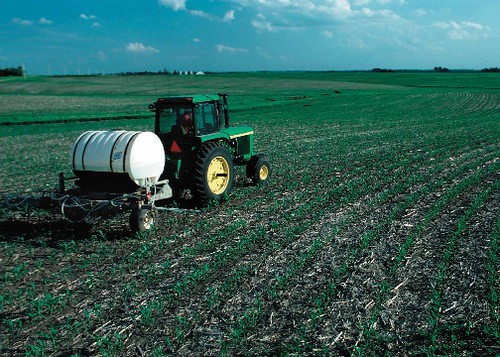

Potassium humate is an organic fertilizer derived from the potassium salt of humic acid, primarily extracted from natural sources such as leonardite, lignite, or peat. This compound serves as a soil conditioner and plant growth stimulant, offering significant advantages in modern agricultural practices. Its composition includes humic acids, fulvic acids, and potassium, along with trace elements, making it a versatile amendment for enhancing soil fertility and crop productivity.
What Is Potassium Humate and How Is It Produced?
Potassium humate comes from humic substances found in ancient organic deposits. These deposits form over thousands of years from decayed plant and animal matter. To produce it, manufacturers extract humic acids using potassium hydroxide, which makes the final product soluble in water. This solubility is a key advantage over plain humic acid.
Typically, potassium humate contains 40% to 80% humic acids, along with fulvic acids and 6% to 12% potassium. Fulvic acids are smaller molecules that plants can absorb quickly. The production process ensures the fertilizer is safe and effective for various agricultural uses.
Different Forms Available
Potassium humate is sold in several forms to meet different farming needs:
- Flakes: Shiny, dark pieces that dissolve easily in water.
- Powder: Fine material ideal for mixing into solutions.
- Crystals: Larger, soluble particles for precise applications.
- Granules: Round or irregular shapes suitable for direct soil spreading.
These forms allow farmers to choose based on their equipment and application methods.
Forms of Potassium Humate Fertilizer
Potassium humate is available in several physical forms to suit different application methods:
These forms—flakes, crystals, powders, and granules—allow for flexibility in use, with water-soluble variants being particularly effective for foliar and fertigation applications.
Composition and Production
Potassium humate is produced through alkaline extraction of humic substances from oxidized low-rank coals or organic deposits, using potassium hydroxide. This process yields a product rich in humic (typically 40-80%) and fulvic acids, with potassium content ranging from 6-12%. Unlike raw humic acid, which is insoluble in water, potassium humate is highly soluble, facilitating better nutrient delivery. Fulvic acids, with lower molecular weight, enhance chelation and rapid uptake, distinguishing potassium humate from sodium humate or pure humic acid formulations.
Benefits for Soil and Plant Health
Potassium humate improves soil structure by increasing cation exchange capacity (CEC), enhancing water retention, and promoting microbial activity. Potassium humate chelates nutrients, reducing leaching of nitrogen, phosphorus, and potassium, thereby improving fertilizer efficiency. Scientific studies demonstrate its role in detoxifying soils by binding heavy metals and mitigating salinity stress.
For plants, potassium humate stimulates root development, seed germination, and photosynthesis, leading to improved drought resistance and nutrient absorption. Research on crops such as foxtail millet and soybean indicates enhanced antioxidant systems and higher yields under stress conditions.
Application Methods
Potassium humate can be applied through various techniques:
Common methods include soil incorporation (5-10 kg/ha), seed soaking, foliar spraying (0.1-0.3% solution), and fertigation. It is compatible with most NPK fertilizers but should be tested for mixtures to avoid precipitation.
How to Apply Potassium Humate
There are several effective ways to use this fertilizer:
- Soil Application: Mix granules or powder into the soil before planting, typically at rates of 5 to 20 kg per hectare.
- Foliar Spray: Dissolve in water (0.1% to 0.5% solution) and spray on leaves during growth stages.
- Fertigation: Add to irrigation systems for drip or sprinkler delivery.
- Seed Treatment: Soak seeds in a dilute solution to promote early root development.
- Composting: Incorporate into compost piles to enrich the final product.
Potassium humate works well with most other fertilizers, but compatibility tests are recommended to avoid reactions.
Results on Crop Yields and Quality
Farmers using potassium humate often see noticeable improvements in yields. For example, in grain crops like wheat or rice, it can increase grain weight and number. In vegetables and fruits, potassium humate enhances size, taste, and shelf life. Studies on various crops show better resistance to environmental stresses, leading to more consistent production even in difficult seasons.
Why Potassium Humate Supports Sustainable Agriculture
As concerns grow about chemical fertilizer overuse and soil degradation, potassium humate offers a natural alternative. Potassium humate reduces the need for synthetic inputs, minimizes environmental pollution, and helps sequester carbon in the soil. Many organic farming systems approve its use, making it ideal for eco-conscious growers.
In summary, potassium humate is a versatile, effective tool for improving soil fertility, plant health, and farm productivity. Its natural origins and broad benefits make it a smart choice for both conventional and sustainable agriculture practices. Farmers interested in long-term soil care and higher quality crops should consider incorporating it into their management strategies.
Environmental and Sustainability Aspects
Potassium humate supports sustainable agriculture by reducing reliance on synthetic fertilizers, minimizing runoff, and promoting carbon sequestration. Its natural origin and biodegradability align with organic farming standards, contributing to soil restoration in degraded lands. Market growth reflects increasing adoption amid concerns over chemical fertilizer impacts, with projections indicating expansion driven by eco-friendly policies.
In conclusion, potassium humate represents a valuable tool for enhancing agricultural efficiency while preserving environmental integrity. Its multifaceted benefits make it suitable for diverse cropping systems, particularly in challenging soils.
Limitations of Potassium Humate Fertilizer in Agriculture
Limited Role as a Primary Potassium Source
Potassium humate typically contains only 6-12% potassium (as K₂O), which comes primarily from the potassium hydroxide used in its extraction process. Due to relatively low application rates (often 2-20 kg/ha or equivalent in liquid form), it does not supply substantial amounts of potassium to meet crop nutritional demands. It serves mainly as a supplement to enhance the efficiency of other potassium fertilizers rather than a standalone source. Farmers requiring high potassium inputs, such as for fruit or tuber crops, must rely on conventional sources like potassium sulfate or chloride alongside potassium humate.
Risk of Overapplication and Negative Effects
Excessive doses can lead to reduced performance. Studies on cotton have shown that high soil application rates (e.g., 30 L/ha equivalent) cause depressing effects, including reductions in ginning outturn (up to 12.4%) and fiber length (up to 6.6%). This suggests potential phytotoxicity or imbalances at higher concentrations. Careful calibration of rates based on soil tests, crop type, and application method is essential to avoid such outcomes.
Variability in Effectiveness
The response to potassium humate varies depending on soil type, climate, crop species, and existing stress conditions. It performs best in degraded, low-organic-matter, or stressed soils (e.g., saline or drought-affected), where it improves nutrient availability and microbial activity. In fertile, high-humic soils, benefits may be minimal or inconsistent. Research indicates positive results in many trials (e.g., yield increases in millet, soybean, and cotton), but outcomes depend on local conditions, and not all studies show uniform improvements. Long-term field trials under diverse environments are recommended for reliable predictions.
Product Quality and Composition Variability
Commercial potassium humate products differ in humic and fulvic acid content, solubility, and purity, depending on the source material (e.g., leonardite vs. peat) and manufacturing process. Lower-quality products may have reduced efficacy or contaminants. Standardization is limited, so testing for active ingredients is advisable.
Cost and Economic Considerations
Although derived from natural sources, processing for solubility increases production costs. In scenarios where benefits are marginal (e.g., already fertile soils), the return on investment may be low compared to conventional fertilizers. It is most cost-effective as part of an integrated nutrient management strategy.
Compatibility and Application Constraints
While generally compatible with most fertilizers, potassium humate may precipitate in mixtures with certain compounds, requiring jar tests. Its alkaline nature can influence soil pH slightly, though this is rarely problematic.
In summary, potassium humate is a valuable tool for sustainable farming, particularly in challenging soils, but it is not a universal solution. Its limitations underscore the importance of site-specific testing, moderate application rates, and integration with balanced fertilization programs to maximize benefits while minimizing risks.



Leave a Reply