
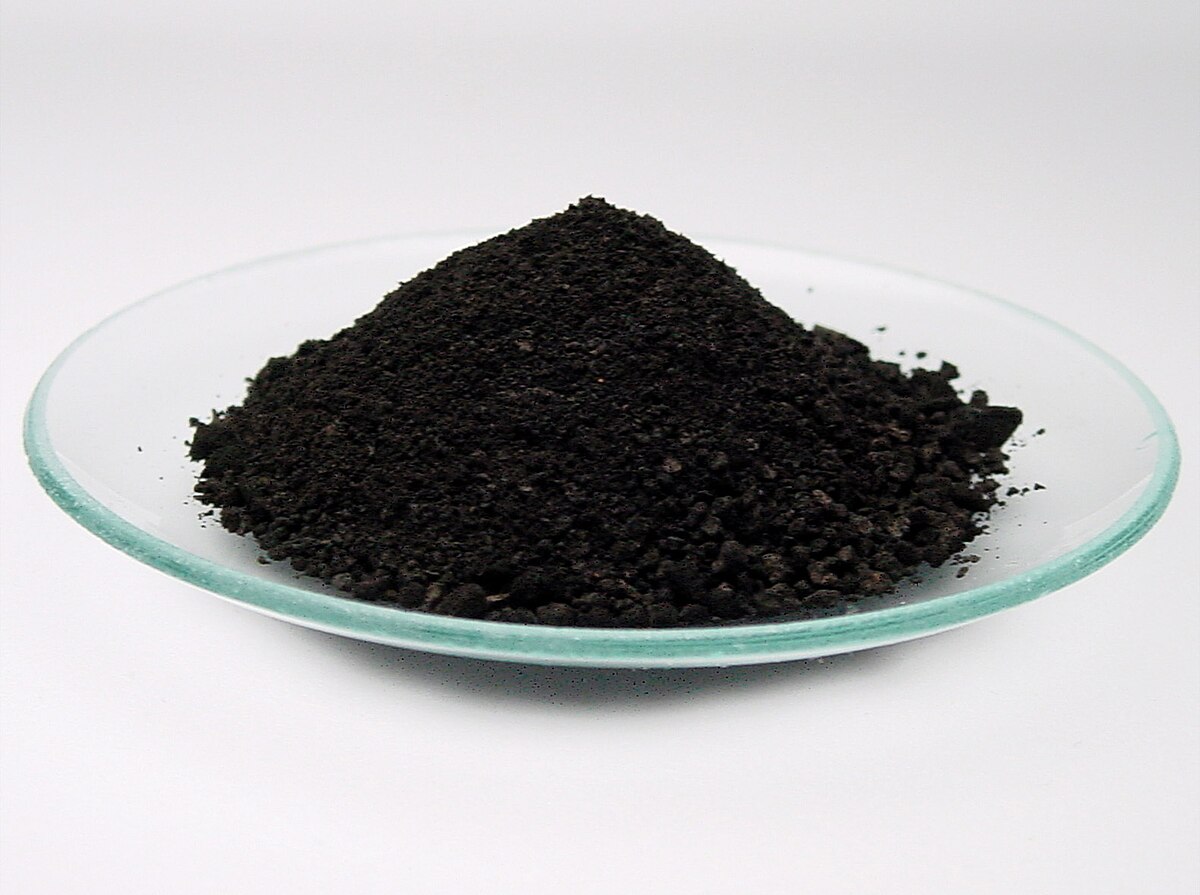

Potassium humate powder is a highly soluble organic fertilizer derived from the potassium salt of humic acid, primarily extracted from natural deposits such as leonardite or oxidized lignite. This fine, dark powder form distinguishes itself through exceptional water solubility, typically reaching 90-100%, which facilitates rapid dissolution and efficient nutrient delivery. Potassium humate serves as an effective soil conditioner, plant growth stimulant, and nutrient enhancer, contributing to improved agricultural productivity while supporting environmentally responsible practices.
Composition and Production Process
Potassium humate powder is produced via alkaline extraction of humic substances from low-rank coals or organic deposits using potassium hydroxide (KOH). This process may incorporate sequestering agents and surfactants to enhance solubility, followed by drying to yield the powdered product. High-quality sources, such as leonardite, yield superior results due to higher humic content and lower ash.
Typical specifications include:
- Humic acid content: 50-80% (dry basis), with premium grades reaching 98%.
- Fulvic acid content: Variable, often 1-15%, contributing to rapid plant uptake.
- Potassium (as K₂O): 8-12%.
- pH: 8-11 (alkaline).
- Moisture: Up to 15%.
- Solubility: 90-100%.
- Appearance: Black or dark brown fine powder.
These parameters ensure the product is non-toxic, stable, and suitable for integration into various fertilization programs.
Advantages of the Powder Form
Compared to flakes, crystals, granules, or liquid formulations, the powder form offers distinct benefits. Its fine particle size enables quick and complete dissolution, making potassium humate ideal for foliar sprays, fertigation, and precise mixing with other fertilizers. This enhances uniformity in application and minimizes residue issues. Additionally, the powder provides higher concentration per unit weight, facilitating storage and transport while allowing flexible dilution rates for targeted use.
Benefits for Soil Health
Potassium humate powder significantly ameliorates soil properties by increasing cation exchange capacity (CEC), which improves retention of essential nutrients such as nitrogen, phosphorus, and potassium, thereby reducing leaching losses. Potassium humate promotes soil aggregation, enhancing aeration, structure, and water-holding capacity—particularly valuable in sandy or degraded soils. The product stimulates beneficial microbial populations, fostering nutrient cycling and organic matter accumulation.
In saline or heavy metal-contaminated soils, it binds toxins, mitigating stress and supporting remediation. Long-term application contributes to carbon sequestration and reduced soil compaction, aligning with sustainable land management.
Benefits for Plant Growth and Physiology
As a biostimulant, potassium humate powder enhances root development, seed germination, and overall plant vigor. It chelates micronutrients, improving their bioavailability and uptake. Physiological effects include boosted photosynthesis, enzyme activity (e.g., catalase and polyphenol oxidase), and hormone-like regulation, leading to increased chlorophyll content, stem strength, and fruit set.
Plants exhibit greater resistance to abiotic stresses such as drought, salinity, cold, and heat, alongside improved tolerance to diseases and pests. Quality attributes, including fruit size, color, taste, and shelf life, are often enhanced due to higher sugar, vitamin, and nutrient accumulation.
Application Methods and Recommended Dosages
The versatility of potassium humate powder supports multiple delivery methods:
- Soil Incorporation: Mix 2-20 kg/ha with base fertilizers or organic matter before planting. For field crops: 5-10 kg/ha; orchards: 10-20 kg/ha.
- Foliar Spray: Dissolve at 0.1-0.5% concentration (1-5 g/L water); apply 2-3 times during growth stages.
- Fertigation/Drip Irrigation: 2-5 kg/ha per application, repeated monthly.
- Seed Treatment: Soak seeds in 0.1-0.5% solution or coat at 0.5-1 kg/ton seeds.
- Combination Use: Blend 5% with NPK fertilizers (e.g., 5 kg per 100 kg urea) to enhance efficiency.
Dosages vary by crop and conditions:
- Cereals (wheat, rice, foxtail millet): 40-80 kg/ha soil application for optimal yield.
- Vegetables and legumes (soybean, potato): 8-16 kg/ha combined with reduced NPK (75-100% recommended).
- Fruit crops (pomegranate, cotton): 10-20 kg/ha, often yielding 10-30% increases.
- General recommendation: Start low and adjust based on soil tests.
Compatibility with most fertilizers is high, though jar tests are advised to prevent precipitation.
Crop-Specific Effects and Research Insights
Numerous studies substantiate yield and quality improvements:
- In foxtail millet, 80 kg/ha increased photosynthetic rates, panicle weight, and grain yield.
- Soybean under water deficit and salinity: Combined with microbes, reduced electrolyte leakage and boosted pod/seed yield.
- Cotton: Enhanced fiber quality, ginning outturn, and productivity with moderate rates.
- Potato: Up to 11% tuber yield increase with 16 kg/ha alongside NPK.
- Pomegranate: Improved growth, nutrient uptake, and fruit yield in sandy soils.
- General trends: 10-30% yield gains, better stress resilience, and nutrient efficiency.
These outcomes highlight its efficacy across diverse agroecosystems, particularly in stressed or low-fertility soils.
Sustainability and Environmental Considerations
Potassium humate powder reduces dependency on synthetic inputs by improving fertilizer use efficiency (e.g., nitrogen and phosphorus), minimizing runoff and groundwater contamination. Its natural derivation and biodegradability support organic certification and eco-friendly farming. By promoting soil restoration and microbial health, it aids in combating degradation and climate resilience.
In conclusion, potassium humate powder stands as a multifaceted tool for modern agriculture, offering enhanced soil fertility, plant performance, and sustainable outcomes. Its powder form ensures practical application, while evidence-based benefits underscore its value in integrated nutrient management. Practitioners are encouraged to incorporate it judiciously, informed by site-specific evaluations, to achieve optimal results.
Limitations of Potassium Humate Powder
Despite its advantages, potassium humate powder has certain limitations that warrant consideration:
- Limited Potassium Contribution: With only 8-12% K₂O content and typical low application rates, it cannot serve as a primary potassium fertilizer. It must be supplemented with higher-potassium sources for crops with substantial demands.
- Risk of Overapplication: Excessive doses may cause phytotoxicity, reduced yields, or negative effects on crop quality (e.g., decreased fiber length in cotton at rates exceeding 30 kg/ha equivalents).
- Variable Efficacy: Results depend heavily on soil type, organic matter levels, climate, and crop species. Benefits are most pronounced in degraded or stressed soils; minimal improvements may occur in already fertile, high-humic soils.
- Product Quality Variation: Commercial products differ in humic/fulvic acid content, purity, and solubility due to varying raw materials and processing. Substandard products may contain contaminants or exhibit lower performance.
- Economic Factors: Higher processing costs can make it less cost-effective in scenarios with marginal benefits, requiring careful evaluation of return on investment.
- Application Constraints: Alkaline pH may slightly influence soil chemistry, and incompatibility with certain acidic fertilizers necessitates testing.
These limitations emphasize the need for site-specific testing and integration within balanced nutrient management.
Tips for Purchasing Potassium Humate Powder
To ensure acquisition of a high-quality product, consider the following guidelines:
- Verify Specifications: Request a certificate of analysis (COA) confirming humic acid content (preferably ≥70%), fulvic acid levels, solubility (≥95%), and potassium content. Avoid products with unspecified or low active ingredients.
- Source Material: Prioritize leonardite-derived products over peat or lignite, as they generally offer higher humic acid purity and efficacy.
- Reputable Suppliers: Choose established manufacturers or distributors with certifications (e.g., OMRI for organic use, ISO standards) and positive user feedback.
- Packaging and Storage: Opt for moisture-proof packaging to prevent caking. Check expiration dates and storage recommendations.
- Price vs. Quality: Compare prices per unit of active humic acid rather than per kilogram, as lower-priced options may have diluted content.
- Third-Party Testing: If possible, select products tested by independent laboratories for heavy metals and contaminants.
- Sample Testing: Purchase small quantities initially to conduct dissolution and field trials before bulk orders.
These practices help secure reliable performance and value.
Sustainability and Environmental Considerations
Potassium humate powder reduces dependency on synthetic inputs by improving fertilizer use efficiency (e.g., nitrogen and phosphorus), minimizing runoff and groundwater contamination. Its natural derivation and biodegradability support organic certification and eco-friendly farming. By promoting soil restoration and microbial health, it aids in combating degradation and climate resilience.
Conclusion
Potassium humate powder represents a valuable, versatile component in modern agricultural systems, offering substantial benefits for soil amelioration, plant health, and resource efficiency. While its limitations necessitate judicious application and complementary fertilization, its proven contributions to yield enhancement and sustainability make it particularly suitable for challenging environments and eco-conscious practices. When selected carefully and applied based on evidence-informed guidelines, potassium humate supports long-term soil productivity and resilient crop production, aligning with the goals of sustainable agriculture. Practitioners are encouraged to evaluate its integration through field observations and soil analyses to maximize outcomes.



Leave a Reply