
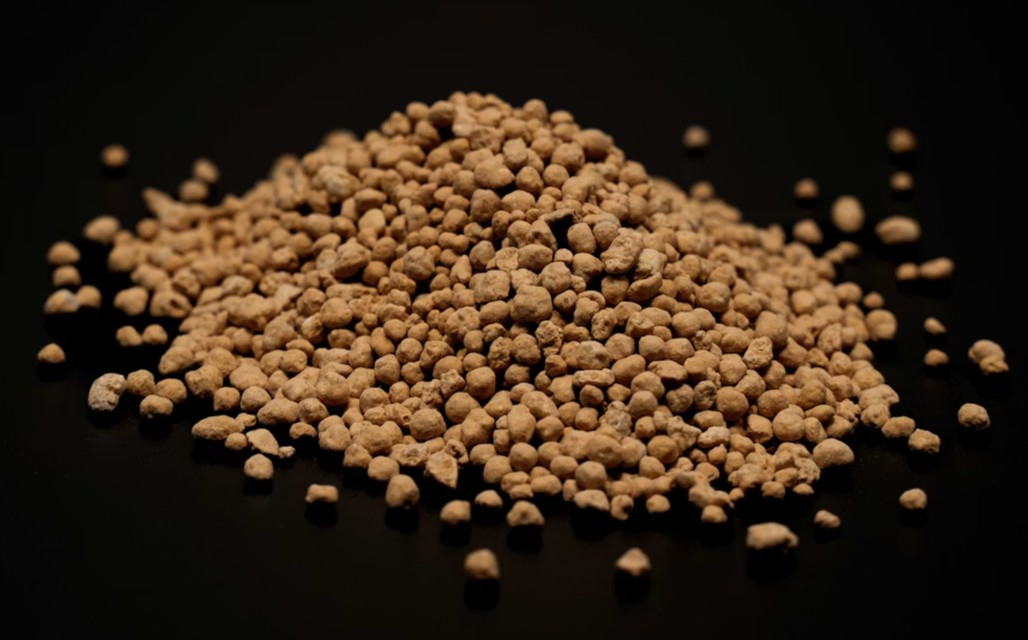

Sodium humate is essentially a refined, highly water-soluble derivative of humic acid. It’s extracted from ancient deposits of Leonardite (a soft mineraloid coal) and is valued for its unique ability to interact chemically and physically with materials inside the animal’s digestive tract. Sodium Humate acts primarily as a gut health modulator and toxin binder.
I. The Practical Science of Detoxification and Gut Protection
The power of sodium humate comes from its complex chemical structure, which allows it to perform two critical functions simultaneously:
1. Physical Adsorption and Chelation (Toxin Binding)
- Mechanism Explained Simply: Think of sodium humate as a microscopic, porous sponge with numerous electrical binding sites (Carboxyl and Phenolic Hydroxyl groups). When Sodium Humate travels through the gut, it seeks out and traps positively charged ions.
- Targeting Toxins: This high affinity allows it to sequester (bind irreversibly) harmful substances such as:
- Mycotoxins: Aflatoxins and Ochratoxins, which contaminate feedstuffs, are bound and prevented from being absorbed into the bloodstream.
- Heavy Metals: Lead, Cadmium, and Mercury are chelated (held in a claw-like grip) and pass harmlessly out of the animal via feces. This reduces the burden on the liver and kidney.
- Metabolic Waste: Sodium Humate binds excess ammonia and other putrefactive substances generated from inefficient protein fermentation in the lower gut, reducing the toxic load.
- The Result: By cleaning up the gut environment, the animal allocates less energy to detoxification and more energy towards growth and productive performance (meat, milk, or eggs).
2. Intestinal Wall Protection and Healing
- Protective Film: The complex humic molecules adhere to the lining of the gut (the mucous layer). This forms a temporary, physical protective barrier against pathogens and irritating substances.
- Healing: This physical protection helps reduce microscopic damage and inflammation caused by feed changes, stress, or mild pathogen challenges. Producers often report reduced incidence of non-specific diarrhea, particularly in young animals post-weaning.
II. Maximizing Nutrient Use and Performance
A healthy gut is essential for productivity. Sodium humate enhances performance through optimized nutrient use:
- Microbial Balance: By removing toxins and creating a favorable environment, sodium humate naturally supports the growth of beneficial gut bacteria while crowding out harmful ones. This balanced microbiota leads to more efficient digestion.
- Mineral Bioavailability: Although humates bind minerals, research indicates they can also hold essential trace minerals (Iron, Zinc, Copper) in a form that is better protected until they reach the site of optimal absorption in the small intestine, potentially increasing their utilization by the animal.
- Stable Performance Under Stress: In commercial operations, where animals face constant stressors (heat, crowding, vaccination), sodium humate helps maintain stable feed intake and absorption, preventing the typical performance dip associated with these events.
III. Practical Application and Dosing
Sodium humate is popular because it is easy to incorporate into farming practices.
| Application Method | Product Form Used | Notes for the Farmer |
| Mixing with Feed | Fine Powder | Highly stable and survives pelleting processes well. Simply mix with other micronutrients in the premix stage. |
| Dissolving in Water | Highly Soluble Flakes/Crystals | Ideal for providing quick support during disease challenges, heat stress, or vaccination periods. Requires high purity to avoid clogging water lines. |
| Aquaculture | Highly Soluble Flakes/Crystals | Used to reduce stress and bind excess ammonia in the water, contributing to better gill health. |
- Dosing Reality: General dosage recommendations for continuous use usually fall between 0.5 kg to 3.0 kg per ton of dry feed (0.05% to 0.3%). However, higher doses (up to 5 kg/ton) may be recommended temporarily during peak stress, disease outbreaks, or known mycotoxin challenges. Always consult your supplier’s recommendations as purity levels vary widely.
IV. Sourcing and Market Context
Understanding the market ensures you purchase the correct quality product.
- The Difference is Purity: Humates come in many grades (agricultural, industrial, feed). Feed Grade Sodium Humate must be highly purified and consistently tested for low levels of heavy metals (Arsenic, Lead, etc.). Demand a Certificate of Analysis (COA) to confirm quality.
- Global Supply: The vast majority of raw humate material comes from regions with large deposits of Leonardite, with China being a dominant global supplier of processed sodium humate.
- Logistics and Pricing: Pricing is generally stable but fluctuates based on raw material availability and logistics costs. Due to its relatively low inclusion rate and significant performance benefits, sodium humate is often considered a cost-effective additive.
In summary, sodium humate provides producers with a single, natural tool to improve performance, support gut integrity, and manage common feed-related toxicity challenges without relying on medications.
V. Considerations and Caveats
While highly beneficial, the use of sodium humate requires careful management:
- Dose-Dependency: As noted in poultry research, more is not always better. Exceeding optimal dosages can sometimes negate performance benefits due to excessive non-selective binding of essential nutrients.
- Purity and Quality: The effectiveness is entirely dependent on the purity and humic acid content of the final sodium humate product. Low-grade products may contain residual toxins or high ash content that dilutes the effect.
- Trace Mineral Interaction: Because of its strong chelating ability, feed formulations using sodium humate should be reviewed to ensure adequate levels of essential trace elements (like manganese and selenium) are available, especially at higher inclusion rates


Leave a Reply